
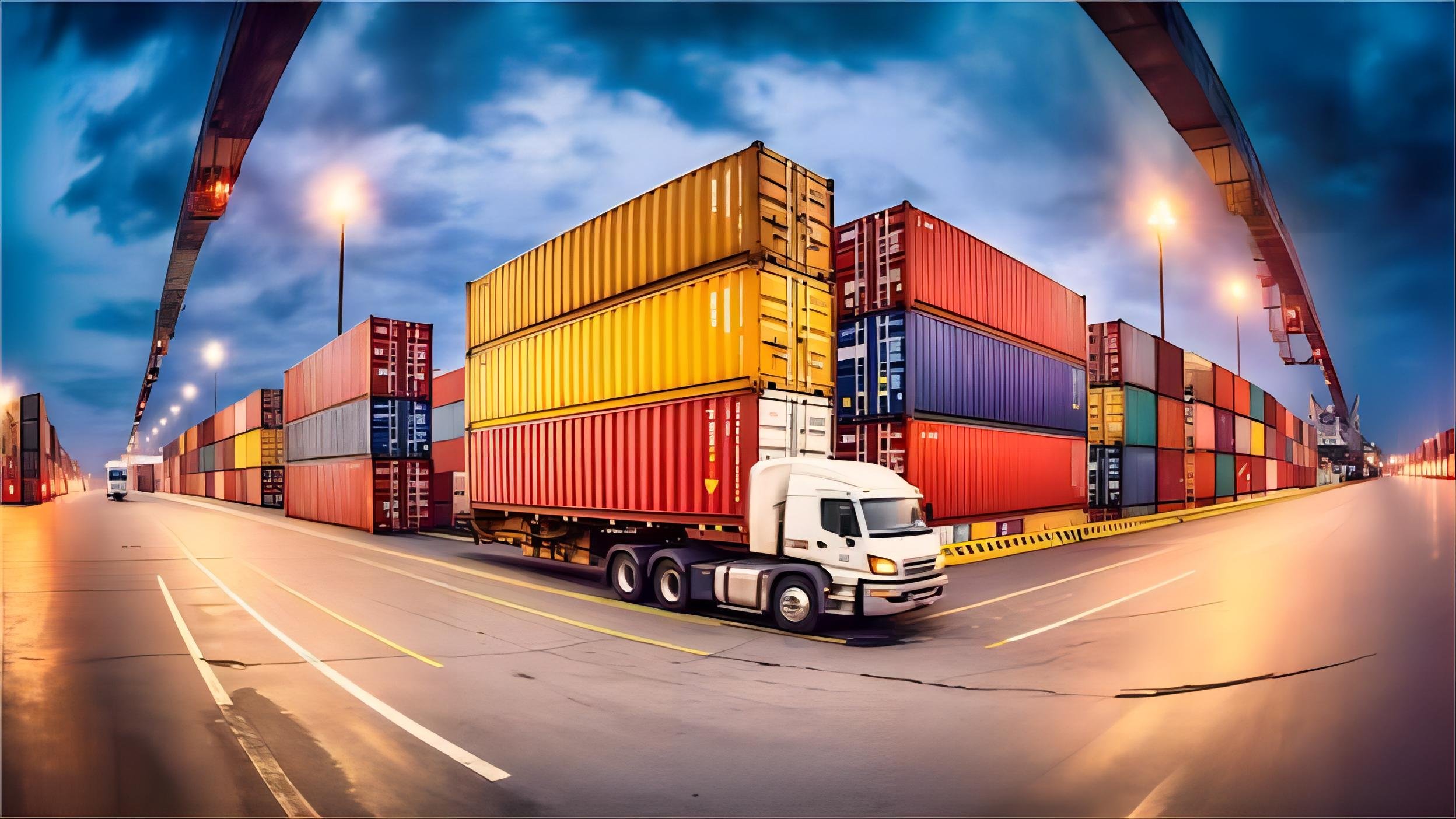
40HC Container Shipping from USA: Freight Quote Guide 2026
Securing a reliable 40HC container shipping from USA freight quote is the cornerstone of successful international trade for businesses of all sizes. Whether you are exporting heavy machinery, retail inventory, or industrial components, understanding the complexities of ocean freight is essential for optimizing your supply chain. At VeloTactics Logistics LLC, we specialize in navigating the intricacies of global logistics, ensuring that your cargo moves securely and efficiently from U.S. ports to international destinations. With the evolving landscape of 2026 global trade, having a transparent and professional logistics partner is more important than ever to manage your shipping costs and transit time effectively. We provide tailored solutions that address your unique cargo requirements, ensuring compliance and timely delivery at every stage of the journey. Published by VeloTactics Logistics LLC logistics research team.
What Is 40hc Container Shipping from USA Freight Quote and Who Is It For?
A 40HC (High Cube) container is an industry-standard shipping unit offering extra height compared to standard 40-foot containers, making it ideal for high-volume or tall cargo. A freight quote for this equipment serves as a formal offer outlining the costs associated with moving your goods from a U.S. origin to an international port. This process involves multiple variables, including port-to-port ocean freight, inland drayage, and potential terminal handling charges.
This service is primarily designed for high-volume importers, manufacturers, and e-commerce brands that require consistent space capacity for their supply chain needs. Companies utilizing FCL (Full Container Load) services benefit from the security and efficiency of having exclusive equipment for their goods. By securing an accurate quote, businesses can forecast their landed costs with precision, which is a critical step in maintaining profitability in competitive markets.
Our services are tailored to support these entities by providing detailed breakdowns of all anticipated expenses, from origin pick-up to final destination delivery. Understanding the components of a freight quote allows stakeholders to make informed decisions about their logistics strategy. Whether you are a first-time exporter or a multinational corporation, our team ensures that your shipping quote reflects the current market realities of 2026, providing clarity where others offer only ambiguity.
Gateway Port Pairs & Route Logic for 40hc Container Shipping from USA Freight Quote
Selecting the correct gateway is a fundamental decision that dictates both the cost and the transit time of your shipment. Major U.S. ports such as Los Angeles/Long Beach, Savannah, and New York/New Jersey serve as primary hubs for global ocean freight. Depending on your origin and final destination, our logistics specialists evaluate which port offers the most competitive rates and the most reliable vessel schedules for your specific requirements.
Route logic involves balancing the proximity of your warehouse to a port versus the frequency of sailings available at that specific location. For example, East Coast ports might be more efficient for shipments destined for Europe, while West Coast ports are the natural choice for trans-Pacific lanes. We utilize advanced routing software to minimize inland drayage costs and avoid known congestion zones, ensuring your cargo moves as smoothly as possible.
The table below outlines how different transport modes and gateways compare in terms of their strategic utility for your export operations. By aligning your cargo needs with the right infrastructure, you can significantly reduce the risk of delays and unexpected surcharges. Our services focus on optimizing this gateway selection to keep your supply chain running at peak performance.
Transport Mode and Gateway Utility Comparison
| Route Type | Primary Gateway | Cost Level | Best For |
|---|---|---|---|
| Trans-Pacific | Los Angeles/Long Beach | Moderate | Asia-bound electronics |
| Trans-Atlantic | Port of NY/NJ | Competitive | European retail goods |
| Gulf Coast | Port of Houston | Variable | Industrial/Chemical |
FCL vs LCL and Cargo Configuration Breakdown
Choosing between FCL (Full Container Load) and LCL (Less than Container Load) is the most impactful decision regarding your shipping budget. FCL involves booking an entire 40HC container, which provides maximum security and faster transit times because the container is not opened until it reaches the final destination. This is often the preferred choice for high-value goods or large volume shipments that fill a significant portion of the container volume.
LCL is a cost-effective alternative for smaller shipments that do not require an entire container. In this scenario, your cargo is consolidated with other shipments, meaning you only pay for the space you occupy. While this reduces the cost per unit, it also introduces additional handling at consolidation points, which can slightly increase the transit time and the risk of damage during the loading and unloading processes.
We offer comprehensive services to help you determine the optimal configuration for your cargo. Our team analyzes your volume, weight, and commodity type to recommend whether FCL or LCL is better suited for your business objectives. By properly configuring your cargo, you can maximize container utilization, reduce dead space, and ultimately lower your overall shipping expenses while maintaining high standards of safety.

Transit-Time Architecture and Port-to-Port Delivery Matrix
Transit time is a critical KPI for any logistics professional, influenced by ocean carrier schedules, port congestion, and intermodal connectivity. In 2026, maintaining visibility over these factors is essential for meeting delivery deadlines. Our transit-time architecture accounts for both the sailing duration and the time required for terminal processing, customs clearance, and final drayage to your customer’s doorstep.
Factors that can impact your timeline include vessel speed adjustments, port labor availability, and seasonal surges that affect terminal operations. By working with a professional logistics provider, you gain access to real-time tracking and expert insights into how these variables might affect your specific route. We prioritize transparency, providing realistic delivery estimates that allow you to manage customer expectations effectively.
The following matrix provides an overview of typical transit durations for major routes. Please note that these are estimates based on current industry benchmarks and are subject to change due to unforeseen maritime conditions. Our services ensure that you are kept informed of any deviations, allowing for proactive adjustments to your distribution schedule.
Estimated Transit Time Matrix
| Route | Method | Estimated Days | Primary Constraint |
|---|---|---|---|
| USA to Shanghai | FCL Ocean | 20-28 | Port Congestion |
| USA to Rotterdam | FCL Ocean | 14-20 | Vessel Schedule |
| USA to Mexico | Cross-Border | 3-7 | Customs Processing |
Landed Cost Anatomy and Destination Port Surcharges
A freight quote is only one part of your total landed cost. To truly understand your expenses, you must account for terminal handling charges (THC), fuel surcharges (BAF), currency adjustment factors (CAF), and inland drayage fees. These costs can vary significantly based on the carrier and the specific port requirements, making it vital to work with a partner who provides a detailed, itemized quote.
Destination port surcharges are often overlooked by novice exporters but can significantly impact the final price of your goods. These charges cover the cost of unloading the container, moving it through the terminal, and preparing it for pickup. Being aware of these potential costs in advance prevents unexpected billing surprises and allows for better financial planning throughout your fiscal year.
At VeloTactics Logistics LLC, we pride ourselves on providing full visibility into the cost structure of your shipment. We work to minimize hidden fees and maximize efficiency, ensuring that your landed costs remain competitive. By managing these variables proactively, we help you maintain your margins and deliver value to your customers, regardless of the complexities inherent in global trade.
Customs Clearance, Regulatory Compliance, and Required Documents
Navigating customs clearance is perhaps the most complex aspect of international logistics. Each country has specific regulatory requirements for imported goods, and failure to provide the correct documentation can lead to significant delays, fines, or even the seizure of your shipment. The importance of accurate paperwork cannot be overstated, as it is the foundation of a smooth clearance process.
Required documentation typically includes a commercial invoice, packing list, bill of lading, and any relevant certificates of origin or specialized permits depending on the nature of your goods. Our logistics experts ensure that all documentation is prepared in strict accordance with both U.S. and foreign customs regulations. This attention to detail mitigates risks and keeps your cargo moving through the supply chain without unnecessary stops.
We provide comprehensive guidance on regulatory compliance, helping you understand the specific requirements for your target market. By leveraging our expertise, you can avoid common pitfalls and ensure that your goods reach their destination on schedule. Our services are designed to provide peace of mind, knowing that your customs documentation is in professional hands.
Essential Customs Documentation Checklist
| Document | Purpose | Responsibility |
|---|---|---|
| Commercial Invoice | Value Declaration | Exporter |
| Packing List | Inventory Detail | Exporter |
| Bill of Lading | Contract of Carriage | Carrier |
Seasonality, Carrier GRI, and Peak Disruption Management
The global freight market is highly seasonal, with peak periods often leading to significant capacity tightening and rate increases. General Rate Increases (GRI) are frequently implemented by carriers to manage demand and operational costs. Understanding these cycles is critical for importers and exporters who need to maintain steady supply chains throughout the entire year, especially during the busy fourth quarter.
Peak disruption management involves planning well in advance of known surges, such as the pre-Lunar New Year rush or the holiday season. By booking your container space early and working with a flexible logistics provider, you can secure better rates and ensure priority placement on vessels. We monitor market trends and carrier capacity to provide you with strategic advice on when to ship and how to avoid the most expensive periods.
Our team at VeloTactics Logistics LLC provides the market intelligence you need to navigate these fluctuations successfully. We act as your eyes and ears in the logistics industry, helping you anticipate challenges before they arise. By staying ahead of market shifts, we help you save on costs and maintain the reliability that your business and customers depend on.
Step-by-Step Logistics SOP: From Factory Booking to Final Delivery
A standardized operating procedure (SOP) is the backbone of efficient logistics. The process begins with a formal booking request, followed by the coordination of drayage to the origin port. Once the container is gated in, it is loaded onto the vessel and tracked across the ocean. Upon arrival, the container undergoes customs clearance and terminal handling before final delivery to the consignee.
Throughout this sequence, communication is vital. Our team maintains constant updates with all stakeholders, including the factory, the carrier, and the destination warehouse. We use sophisticated tracking technology to monitor your container’s progress, providing you with real-time updates and peace of mind. Every step is documented and managed to ensure compliance with your specific requirements and industry standards.
By following a proven SOP, we reduce the chance of error and ensure that every shipment follows the same rigorous path to success. Our commitment to excellence means that we are constantly refining our processes to increase speed and reduce costs for your business. Whether it is a routine shipment or a complex project cargo move, our methodology remains consistent, reliable, and professional.
Strategic Decision Framework: Choosing Your Ideal Shipping Route
Choosing the ideal shipping route involves weighing several competing factors, including budget, speed, and cargo security. For high-value items, air freight might be necessary despite the higher costs, while for bulk, non-perishable goods, ocean freight is the clear winner. Our decision framework helps you categorize your shipments based on these priorities to ensure you always select the most strategic option.
Consider the urgency of your delivery. If you have a critical deadline, sea-air combinations or expedited ocean services may be appropriate. Conversely, if your cargo is non-urgent, standard ocean freight provides the best value. We work with you to align your logistics budget with your business goals, providing a roadmap that optimizes your total supply chain performance over the long term.
Finally, always consider the destination’s specific infrastructure. Some ports are better equipped for certain types of cargo, and some regions have more efficient inland distribution networks. We leverage our knowledge of these local conditions to make recommendations that go beyond simple port-to-port logistics. By taking a holistic view, we ensure that your shipping route is not just a path, but a strategic advantage for your company.
Partner with VeloTactics for Your 40HC Shipping Needs
Securing a professional 40HC container shipping from USA freight quote is essential for businesses aiming to scale their global operations efficiently. By partnering with an experienced provider, you gain access to the market intelligence, logistical expertise, and operational support necessary to navigate the complexities of 2026 international trade. We are committed to helping you optimize your supply chain, reduce costs, and ensure the timely delivery of your cargo.
As your trusted logistics partner, we provide more than just quotes; we provide solutions that empower your business to grow. From customs clearance to final distribution, our comprehensive approach ensures that every detail of your shipment is managed with the utmost care. Contact our team today to discuss your requirements and discover how our tailored logistics strategies can benefit your organization.
Need a tailored shipping solution?
Request a Free Freight Quote