
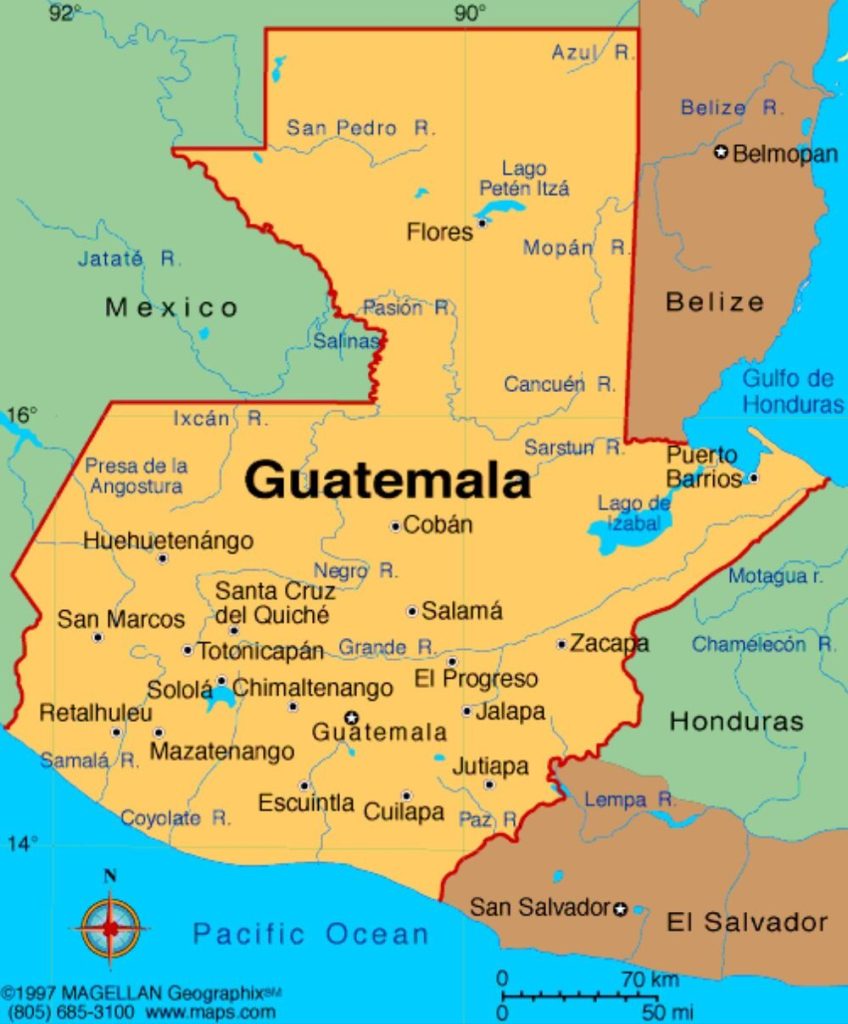
Reliable, cost-effective, and professionally coordinated logistics solutions by Velotac Logistics from Guatemala to the United States.
Velotac Logistics provides door-to-door freight services from major Guatemala ports to destinations across the USA, including ocean freight, air freight, customs clearance, warehousing, drayage, and final delivery.
Supported by strong carrier partnerships and integrated U.S. logistics networks, we ensure stable transit times, secure cargo handling, and flexible shipping solutions tailored to international supply chain requirements.
Your Logistics Needs, Our Expertise.
Building a Resilient Supply Chain Through Partnership.

Why Choose Velotaclogistics
Worldwide Port Coverage Overview
 It is primarily utilized for feeder transport and supplementary cargo handling.
It operates in conjunction with rail and truck transport networks.
Its operations focus predominantly on small-scale cargo and regional distribution.
It is primarily utilized for feeder transport and supplementary cargo handling.
It operates in conjunction with rail and truck transport networks.
Its operations focus predominantly on small-scale cargo and regional distribution.
🚢 Pacific Coast (Primary Export Hub)
Puerto Quetzal (Most Important)
🚢 Caribbean Coast (Imports/Transshipment)
Santo Tomás de Castilla (Core Hub)
Puerto Barrios (Auxiliary)
🚢 Minor Port
Champerico (Local Use)
SERVICE TIERS
Transportation Service Categories

Fast and reliable air freight service with 2–7 days transit time from Guatemala to the USA. We work with DHL, FedEx, and UPS to ensure stable and efficient delivery.
Ideal for e-commerce, samples, and time-sensitive cargo requiring fast customs clearance and stable delivery.
Cost-effective and stable ocean freight service for bulk cargo shipping from Guatemala to the USA.
Ideal for businesses seeking lower shipping costs with reliable container shipping, flexible capacity, and full customs support.
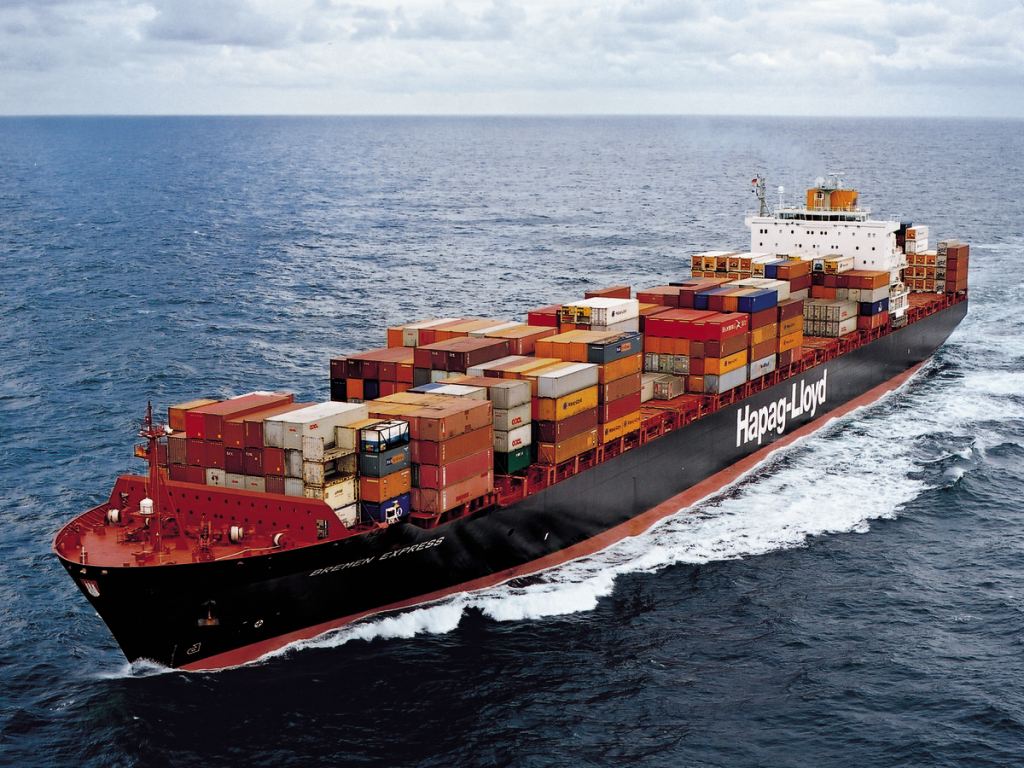
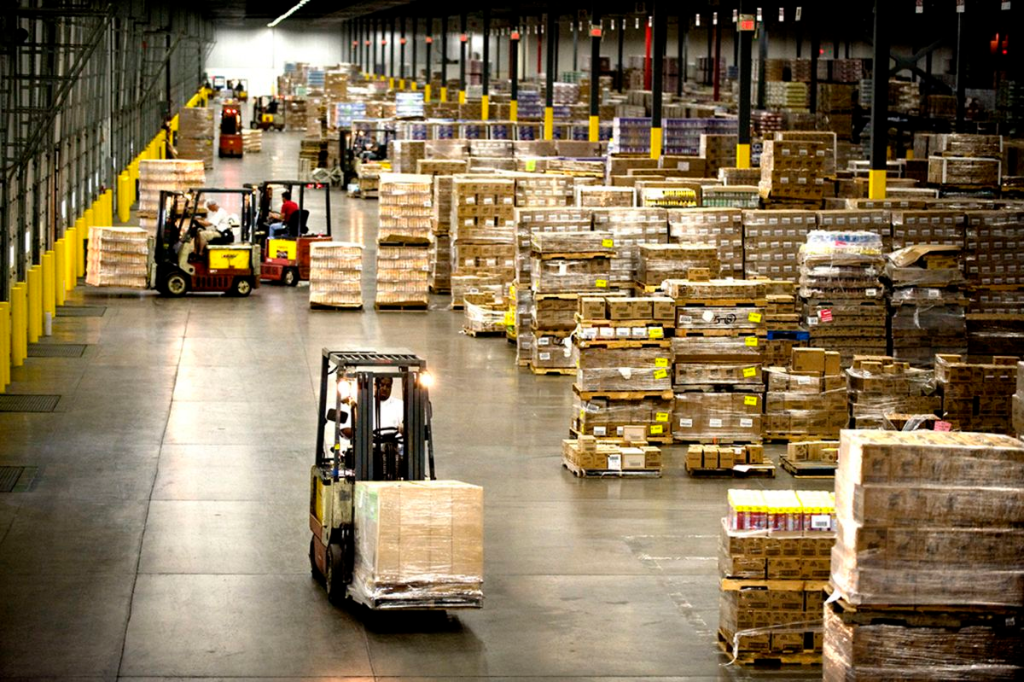
Flexible and secure warehousing solutions to support your supply chain between Guatemala and the USA.
Ideal for businesses needing efficient storage, faster order processing, inventory control, and smoother international shipping operations.
Reliable short-distance container transport connecting ports, warehouses, and logistics hubs across the United States.
Ideal for moving containers quickly after ocean freight to ensure smooth customs clearance, faster cargo handling, and efficient inland delivery.
OPERATIONAL EXCELLENCE
Our Shipping Process
Provide shipment details including weight/volume and routing preferences. We confirm optimal carriers and schedules to ensure lead-time stability.
Cargo is transferred onto contracted flights. We monitor real-time schedules and provide milestone updates throughout the transit phase.
Cargo is collected or received at Velotaclogistics hubs. Our team performs measurement, repacking, and precise labeling while preparing export documentation.
Arrival at U.S. hubs (LAX/SFO/ORD). Bonded handling and coordinated clearance through licensed brokers precede pallet breakdown.
Compliant export filing for all express and special-line shipments, managed through standardized digital workflows to prevent origin delays.
Seamless transition to last-mile carriers. Full visibility remains active from initial pickup to the final milestone at destination.
Shipments containing food, plants, or organic materials are often flagged by USDA and CBP for phytosanitary inspection. Missing certificates or incorrect treatment documentation like fumigation records can trigger holds. Even minor labeling issues or unclear origin declarations can increase inspection probability and cause delays in clearance workflows.
Cargo theft is a known risk during Guatemala–Mexico–USA trucking corridors due to multiple border crossings and long inland transit. Weak security seals, untracked stops, or poor escort coordination increase exposure. High-value goods require GPS tracking, sealed containers, and vetted carriers to reduce security risks significantly.
Warehouse rejection often happens when pallets do not meet US standards, labeling is incorrect, or ASN documents are missing. If inbound cargo does not match pre-alert data, warehouses may refuse unloading. This creates costly re-delivery cycles and disrupts downstream distribution planning in supply chain operations.
Mixed-origin shipments often face delays when documentation does not clearly separate product origins or manufacturing details. Customs may request additional proof of origin certificates. If freight forwarders consolidate cargo improperly, it becomes harder to verify compliance, increasing inspection probability and slowing clearance processes.
Cross-border trucking from Guatemala through Mexico often requires multiple permits, including transit documentation and carrier authorization. Missing or expired permits can lead to vehicle detention at checkpoints. Coordination between logistics providers across countries is essential to ensure legal compliance and uninterrupted inland movement.
Cold chain failures occur due to reefer container temperature fluctuations, power interruptions, or delayed loading at origin facilities. Even short deviations can damage fruits, seafood, or flowers. Poor monitoring systems or lack of real-time temperature tracking increases spoilage risk during multimodal transport.
Air cargo from Guatemala is sometimes offloaded due to overbooking, weight constraints, or priority given to pharmaceutical and high-value shipments. Seasonal agricultural exports face competition for limited space. Without confirmed booking allocations, shipments may be rolled to later flights unexpectedly.
Valuation disputes arise when declared invoice values differ from customs benchmarks or market reference prices. Authorities may suspect undervaluation to reduce duties. This leads to audits, additional documentation requests, and temporary cargo holds until declared values are verified and accepted.
Consolidated cargo can be delayed when one shipper in the group has incomplete documentation or incorrect HS codes. Since shipments share a container, customs may hold the entire load. This makes coordination among multiple exporters critical to avoid chain-wide delays in clearance.
Seal breakage may occur due to inspections, improper handling, or unauthorized access during transit. Once a seal is compromised, customs may require full inspection. This increases delays and raises concerns about cargo integrity, especially for high-security or regulated goods moving across borders.
Inventory mismatches occur when barcode labels are missing, pallet counts differ from shipping documents, or goods are not pre-registered in warehouse systems. These inconsistencies lead to partial receiving or rejection, disrupting stock accuracy and causing delays in order fulfillment operations.
Delays often happen when sea, air, and trucking segments are not synchronized properly. Missing handover documentation between Guatemala, transit countries, and the USA creates gaps. Without integrated tracking systems, each logistics provider operates independently, increasing risk of miscommunication and shipment idle time.