
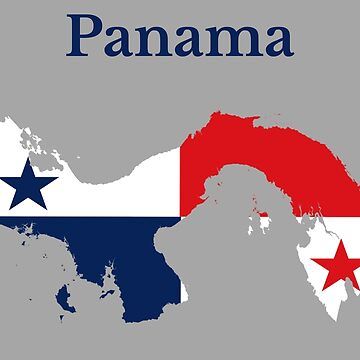
Velotac Logistics provides door-to-door freight services from major Panama ports to destinations across the USA, including ocean freight, air freight, customs clearance, warehousing, drayage, and final delivery.
Supported by strong carrier partnerships and integrated U.S. logistics networks, we ensure stable transit times, secure cargo handling, and flexible shipping solutions tailored to global supply chain needs.
Your Logistics Needs, Our Expertise.
Building a Resilient Supply Chain Through Partnership.


Why Choose Velotaclogistics
Worldwide Port Coverage Overview
 Mixed-use: Military and Commercial Port
Accommodates small container vessels and Ro-Ro ships
Mixed-use: Military and Commercial Port
Accommodates small container vessels and Ro-Ro ships
🚢 Caribbean Side (Colón Region)
Manzanillo (MIT)
Colon Container Terminal (CCT)
Cristóbal Port
Key Features: Transshipment + U.S. East Coast + Caribbean Routes
🚢 Pacific Side (Balboa Region)
Balboa Port
PSA Terminal
Rodman Port
Key Features: Core Transshipment Hub for Asia → The Americas
🚢 Global Core Node
Panama Canal (Canal System)
SERVICE TIERS
Transportation Service Categories

Fast and reliable shipping from Panama to the USA with optimized transit routes and stable carrier partnerships. We provide efficient ocean and air logistics solutions to ensure timely and secure delivery.
Ideal for businesses and individuals needing dependable cross-border logistics, fast customs clearance, and consistent delivery performance.
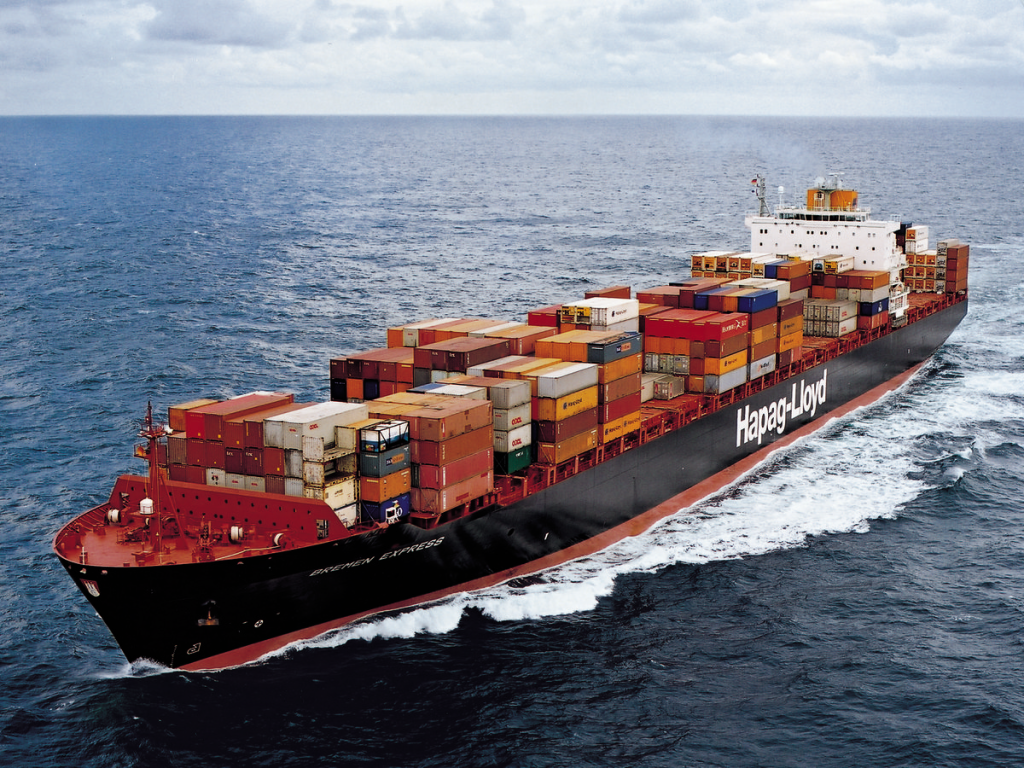
Cost-effective and stable ocean freight service for bulk cargo shipping from Panama to the USA.
Ideal for businesses seeking lower logistics costs with reliable container shipping, flexible consolidation options, and full customs coordination support.
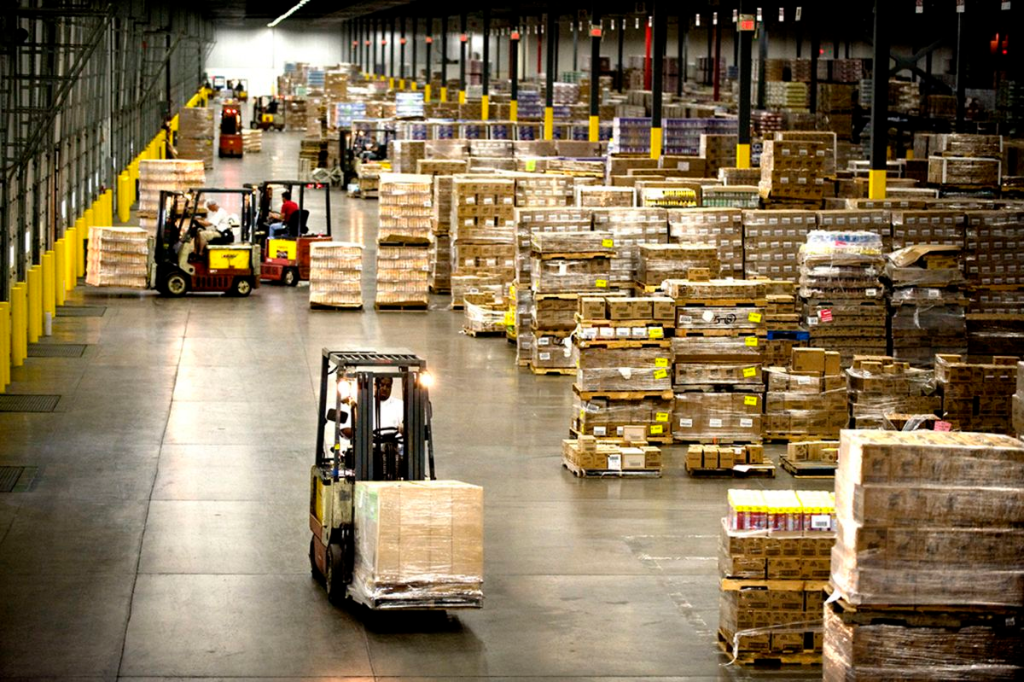
Flexible and secure warehousing solutions to support your global supply chain from Panama to the USA.
Ideal for businesses needing efficient cargo storage, faster order processing, and smoother international logistics operations with reduced transit delays and improved shipping coordination.
Reliable short-distance container transport connecting ports, rail yards, and warehouses across the United States after shipments arrive from Panama.
Ideal for moving containers quickly after ocean freight from Panama to the USA, ensuring smooth customs release, reduced port storage time, and efficient inland distribution.

OPERATIONAL EXCELLENCE
Our Shipping Process
Provide shipment details including weight/volume and routing preferences. We confirm optimal carriers and schedules to ensure lead-time stability.
Cargo is transferred onto contracted flights. We monitor real-time schedules and provide milestone updates throughout the transit phase.
Cargo is collected or received at Velotaclogistics hubs. Our team performs measurement, repacking, and precise labeling while preparing export documentation.
Arrival at U.S. hubs (LAX/SFO/ORD). Bonded handling and coordinated clearance through licensed brokers precede pallet breakdown.
Compliant export filing for all express and special-line shipments, managed through standardized digital workflows to prevent origin delays.
Seamless transition to last-mile carriers. Full visibility remains active from initial pickup to the final milestone at destination.
Panama Canal transit slots are tightly controlled and can be rescheduled due to vessel priority, draft limitations, or congestion. Even confirmed bookings may be shifted. When this happens, downstream trucking, warehouse receiving, and US import planning must be adjusted, creating coordination gaps across the entire logistics chain.
Manifest discrepancies often arise from last-minute cargo changes, manual data entry errors, or consolidated shipments not updated in real time. Panama ports require precise declarations, and any mismatch between physical cargo and submitted manifest can trigger re-verification, delaying vessel loading and downstream customs processing.
Commercial invoices from Panama may lack standardized formatting or contain inconsistent valuation details. US customs brokers often request corrections when product descriptions, unit prices, or consignee details do not align with CBP requirements. These inconsistencies delay entry filing and may require revised documentation from exporters.
Container rollovers occur when vessels become overbooked, cargo is not prioritized, or space is reallocated to higher-value shipments. Panama’s role as a transshipment hub increases exposure to schedule changes. Rolled containers disrupt trucking pickup plans, warehouse intake schedules, and import timing coordination in the USA.
Trucking appointments often fail due to port congestion, limited chassis availability, or missed scheduling windows. If customs clearance is delayed or release documents arrive late, booked trucks may not wait. This leads to rescheduling, detention risks, and additional storage costs at port terminals.
Warehouses may reject consolidated shipments when pallet labels are inconsistent, carton counts do not match pre-alerts, or multiple suppliers are not properly separated. Panama consolidation hubs sometimes mix cargo, making it difficult for US warehouses to reconcile inbound data with their inventory systems.
Air cargo may be re-screened due to updated aviation security protocols, unclear packaging density, or inconsistent airway bill data. Panama airport cargo terminals follow strict export screening rules, and any anomaly in declared contents or packaging structure can trigger additional inspection before departure.
HS code mismatches occur when Panama exporters use local classification logic that differs from US HTS coding standards. Customs brokers often reclassify goods during import filing, especially for mixed-category products. This leads to duty recalculation, compliance checks, and additional documentation requests.
EDI failures happen when document formats are not aligned with US warehouse or carrier systems. Missing fields, incorrect container references, or inconsistent formatting prevent automated validation. This forces manual correction, slowing down integration between Panama export systems and US logistics platforms.
Post-arrival charge adjustments occur due to reweighing, dimensional audits, or accessorial fees like detention and storage. Carriers may reassess actual cargo characteristics at destination, especially if Panama-origin declarations differ from verified measurements during US terminal processing.
Split deliveries happen when warehouses cannot receive full shipments at once due to capacity limits, labor shortages, or appointment restrictions. Even if cargo arrives as one unit, US distribution centers may divide unloading across multiple days, affecting inventory synchronization.