

Reliable, cost-effective, and professionally coordinated logistics solutions by Velotac Logistics from Antigua and Barbuda to the United States.
Velotac Logistics provides door-to-door freight services from major ports in Antigua and Barbuda to destinations across the USA, including ocean freight, air freight, customs clearance, warehousing, drayage, and final delivery.
Supported by strong carrier partnerships and integrated U.S. logistics networks, we ensure stable transit times, secure cargo handling, and flexible shipping solutions tailored to global supply chain needs.
Your Logistics Needs, Our Expertise.
Building a Resilient Supply Chain Through Partnership.


Why Choose Velotaclogistics
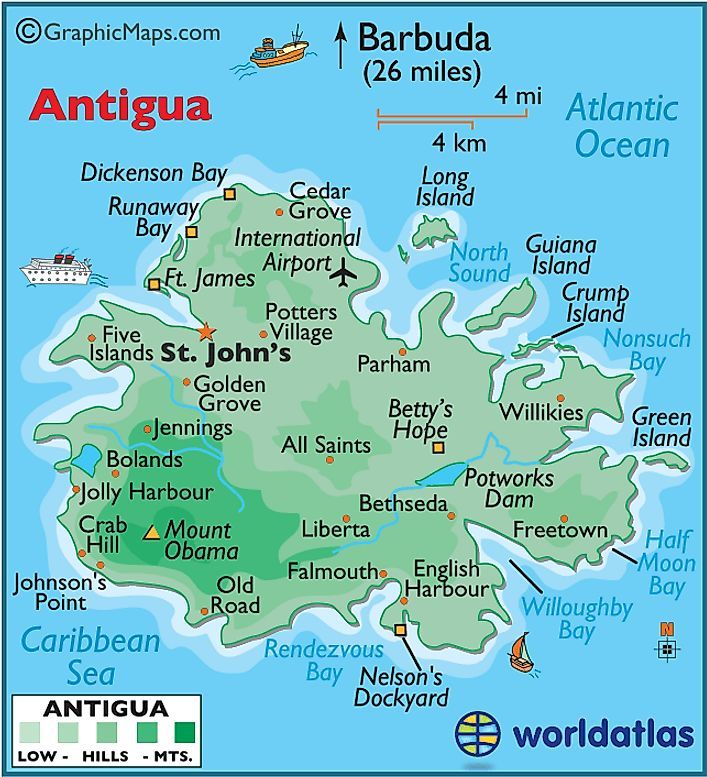
Worldwide Port Coverage Overview
π’ Core Commercial Port
St. Johnβs Harbour
Deep Water Harbour
π’ Industrial / Energy Port
Crabbs Peninsula Port
π’ Small Local Port
Codrington Port (Barbuda)
SERVICE TIERS
Transportation Service Categories
Fast and reliable air freight service from Antigua and Barbuda to the USA, using major express carriers such as DHL, FedEx, and UPS.
Ideal for e-commerce shipments, samples, and time-sensitive cargo requiring fast customs clearance and reliable delivery performance.
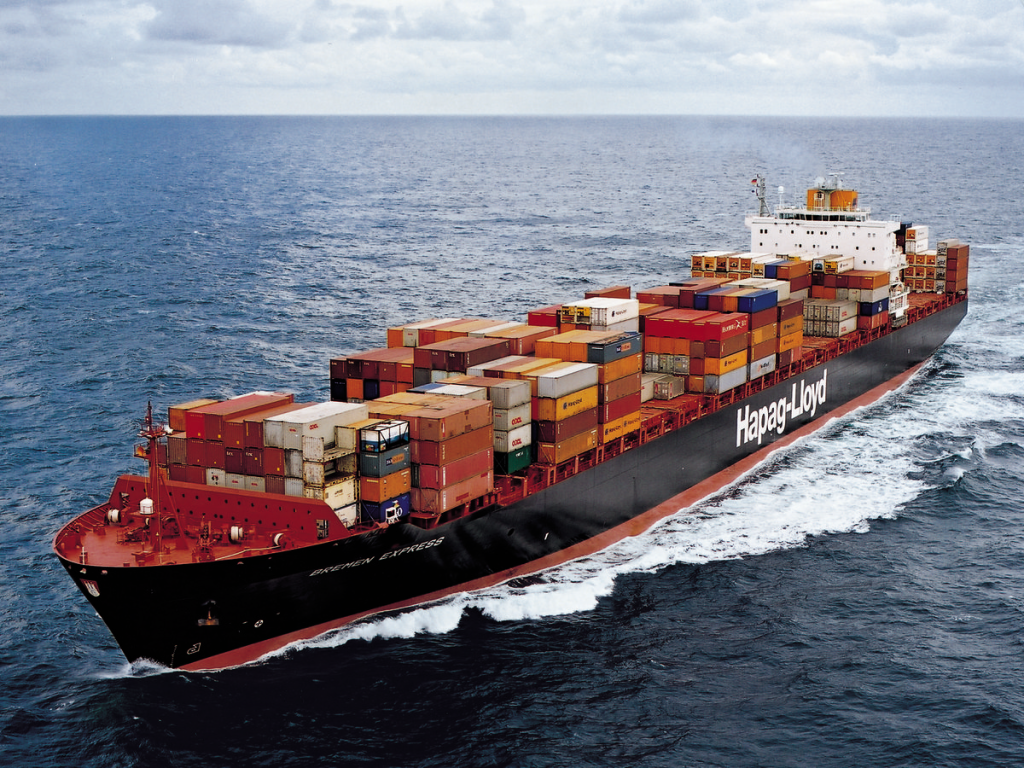
Cost-effective and stable ocean freight service for bulk cargo shipping from China to the USA.
Ideal for businesses seeking lower shipping costs with reliable container shipping and full customs support.
Reliable and efficient international shipping solutions from Antigua and Barbuda to the United States, designed to support seamless cross-border logistics.
Ideal for businesses and individuals needing fast transit times, smooth customs processing, and dependable end-to-end shipping across the USA.
Reliable end-to-end logistics solutions connecting Antigua and Barbuda with major destinations across the United States, ensuring smooth international cargo movement.
Ideal for fast customs clearance, efficient international transport, and seamless last-mile delivery
OPERATIONAL EXCELLENCE
Our Shipping Process
Provide shipment details including weight/volume and routing preferences. We confirm optimal carriers and schedules to ensure lead-time stability.
Cargo is transferred onto contracted flights. We monitor real-time schedules and provide milestone updates throughout the transit phase.
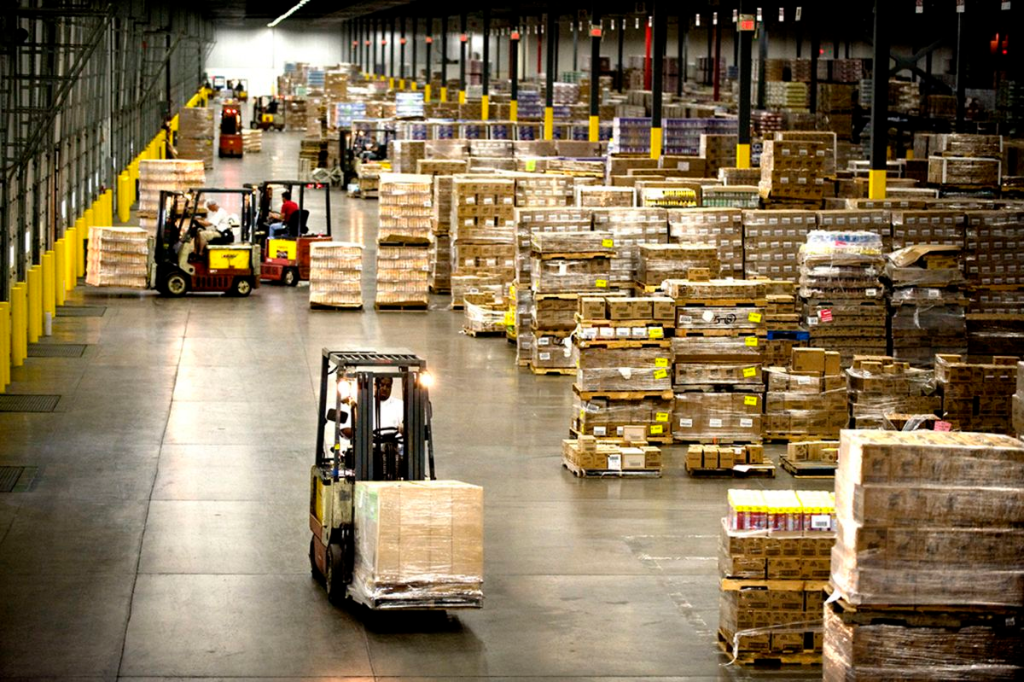
Cargo is collected or received at Velotaclogistics hubs. Our team performs measurement, repacking, and precise labeling while preparing export documentation.
Arrival at U.S. hubs (LAX/SFO/ORD). Bonded handling and coordinated clearance through licensed brokers precede pallet breakdown.
Compliant export filing for all express and special-line shipments, managed through standardized digital workflows to prevent origin delays.
Seamless transition to last-mile carriers. Full visibility remains active from initial pickup to the final milestone at destination.
Booking confirmations are usually generated early in the shipment cycle, while shipping instructions may be edited later by exporters or agents. In Antigua exports, these timing differences often create inconsistencies between carrier systems and forwarder records, especially when consignee details, routing notes, or cargo descriptions are updated after initial booking validation has already been processed across multiple platforms.
Resolution requires establishing a single master data source for all shipment details, including HS codes, consignee identity, and invoice values. In Antigua shipments, forwarders and brokers often work on separate systems, so manual reconciliation is required. Teams typically cross-check documents line by line before customs filing to eliminate mismatches and prevent duplicated corrections during import processing stages.
Carrier allocation instability occurs because shipping lines continuously optimize container usage, vessel balance, and revenue priority. Antigua shipments are more exposed due to limited sailing frequency and smaller booking volumes. As a result, confirmed space may be reallocated to higher-priority cargo, forcing last-minute changes in container assignment or routing without exporter visibility until operational updates are issued.
Tracking breaks usually occur when regional consolidators, carriers, and warehouse systems operate on incompatible data platforms. In Antigua shipments, intermediate hubs often lack real-time API integration. Once cargo moves between systems, status updates may stop syncing, creating visibility gaps where shipment location and milestone data are delayed or partially missing across tracking dashboards.
Yes, consolidated cargo is more vulnerable because multiple exporters share one container but provide separate documentation sets. In Antigua logistics, even one inaccurate invoice or HS code can affect the entire consolidation file. This increases reconciliation workload and creates dependency between unrelated shipments within the same container, raising the probability of systemic data inconsistency during processing.
Shipping instructions are operational directives rather than legally binding contracts, but they become functionally critical once entered into carrier systems. In Antigua export workflows, modifications after submission often trigger mismatches between booking records, warehouse planning, and customs documentation. Although changes are allowed, they frequently require full system updates across multiple stakeholders to maintain alignment.
Duplication occurs when forwarders, carriers, and consolidators independently generate reference numbers without centralized synchronization. In Antigua shipments, multiple service providers may assign different identifiers for the same cargo. This leads to confusion in tracking systems, where one shipment appears under several references, making reconciliation between platforms difficult during customs and warehouse coordination.
Container assignments may change due to equipment repositioning needs, vessel optimization strategies, or operational constraints at the carrier level. Antigua shipments are particularly sensitive to such changes because limited container availability forces carriers to dynamically adjust allocations. These adjustments often occur without early exporter notification, resulting in last-minute documentation or routing corrections.
Legacy carrier systems, regional freight forwarder tools, and warehouse management systems frequently lack API-level integration. In Antigua logistics chains, these platforms operate independently, causing delays in status synchronization. As a result, shipment milestones such as departure, arrival, or handover may appear inconsistent or outdated across different tracking environments used by stakeholders.
Responsibility is distributed among exporters, freight forwarders, customs brokers, carriers, and warehouse operators. In Antigua shipments, lack of clear ownership definitions often results in overlapping tasks or missing validations. This fragmented structure increases the risk of conflicting updates and duplicated correction cycles during shipment processing across international logistics workflows.
Invoice revisions are not always required, but they become necessary when discrepancies are identified in product description, valuation, or consignee information. Antigua exporters often use simplified documentation formats, which may not fully align with US customs requirements. When inconsistencies arise, brokers must request corrected versions before filing import entries for compliance validation.
Discrepancies occur when shipment data is updated after warehouse pre-registration or when final packing details are not synchronized with inbound systems. In Antigua logistics, changes made late in the process can cause mismatches between expected and actual inventory records. This results in manual reconciliation during receiving and delays in system confirmation of stock availability.