

Shipping From Trinidad And Tobago To USA

Reliable, cost-effective, and professionally coordinated logistics solutions by Velotac Logistics for Shipping From Puerto Rico To USA.

Velotac Logistics provides door-to-door freight services from major locations in Puerto Rico to destinations across the United States, including ocean freight, air freight, customs clearance, warehousing, drayage, and final delivery.

Supported by strong carrier partnerships and integrated U.S. logistics networks, we ensure stable transit times, secure cargo handling, and flexible shipping solutions tailored to global supply chain needs.

Your Logistics Needs, Our Expertise.

Building a Resilient Supply Chain Through Partnership.

Why Choose Velotaclogistics

Worldwide Port Coverage Overview

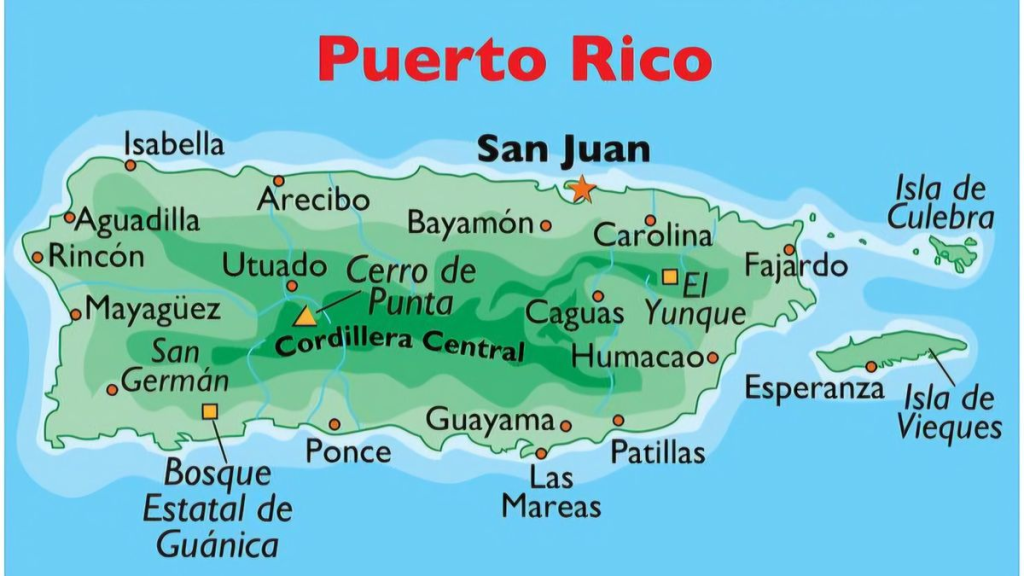
Port-of-San-Juan

The Port of San Juan is Puerto Rico's most important commercial and container port.
📌The largest container hub on the island
📌Handles the majority of import and export trade
📌Connects to shipping routes along the U.S. East Coast (Miami / New York)
📌Serves as both a cruise and cargo facility
Key Feature: The "Absolute Core Port" for Puerto Rico's foreign trade

Port-of-Ponce

The Port of Ponce is a major industrial and transshipment port in the southern region.
📌It primarily handles bulk cargo and a limited volume of containerized freight.
📌It serves as a complementary port to San Juan.
📌It is well-suited for the logistics of industrial goods and energy-related cargo.
📌In recent years, it has been gradually expanding its transshipment capabilities.
Key Feature: A regional, complementary foreign trade port.

Port-of-Mayaguez

The Port of Mayagüez is a small port located in the western region.
📌Small in scale
📌Primarily serves local cargo and resupply needs
📌A historic trading port
📌Limited modern container handling capacity
Key Feature: A local auxiliary port

Port of Guayanilla / Peñuelas

Port of Guayanilla、Port of Peñuelas,These constitute the energy and industrial port complex in southern Puerto Rico.
📌Primarily handles petroleum, chemical products, and bulk cargo.
📌Supported by associated refining and industrial facilities.
📌Does not serve as a major container port.
📌Characterized by a strong industrial focus.

Key Feature: Specialized energy ports.

OTHER PORTS

🚢 Commercial / Primary Container Port
Port of San Juan
🚢 Industrial / Supplementary Port
Port of Ponce
🚢 Local / Minor Port
Port of Mayagüez
🛢️ Energy Port Cluster
Port of Guayanilla
Port of Peñuelas

SERVICE TIERS

Transportation Service Categories

📍AIR FREIGHT

Fast and reliable shipping service from Puerto Rico to mainland United States with 1–5 days transit time. We work with DHL, FedEx, and UPS to ensure stable, efficient, and fully trackable delivery.

  • Transit Time: 1–5 Days (Express options: 1–3 days)
  • Visibility: Full end-to-end tracking
  • Best For: Urgent, high-value, and lightweight shipments
  • Coverage: Puerto Rico to all US states and major cities

Ideal for e-commerce orders, business parcels, samples, and time-sensitive cargo moving between Puerto Rico and the mainland USA with fast domestic handling and no international customs clearance delays.

📍SEA FREIGHT

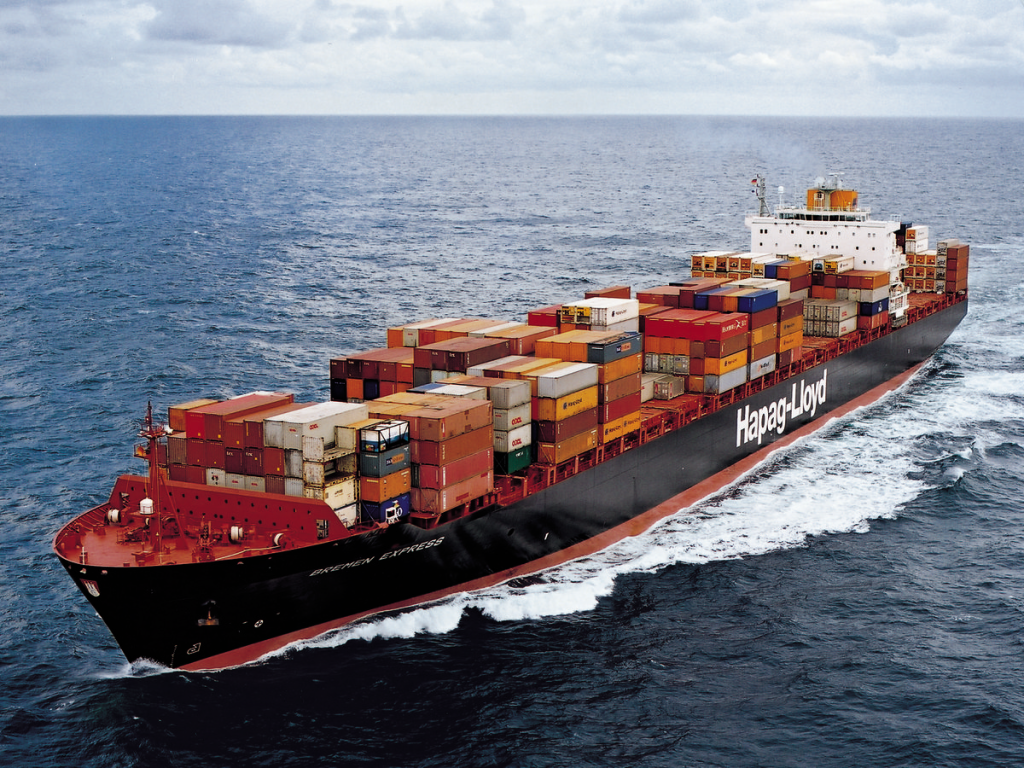
Cost-effective and stable ocean freight service for bulk cargo shipping from China to the USA.

  • Transit Time: 18–40 Days (Port to Port)
  • Shipping Options: FCL / LCL available
  • Best For: Bulk cargo, heavy goods, large-volume shipments
  • Coverage: Major ports in China to all major US ports (Los Angeles, New York, Houston, etc.)

Ideal for businesses seeking lower shipping costs with reliable container shipping, efficient vessel schedules, and full customs clearance support for international ocean transport.

📍WAREHOUSING

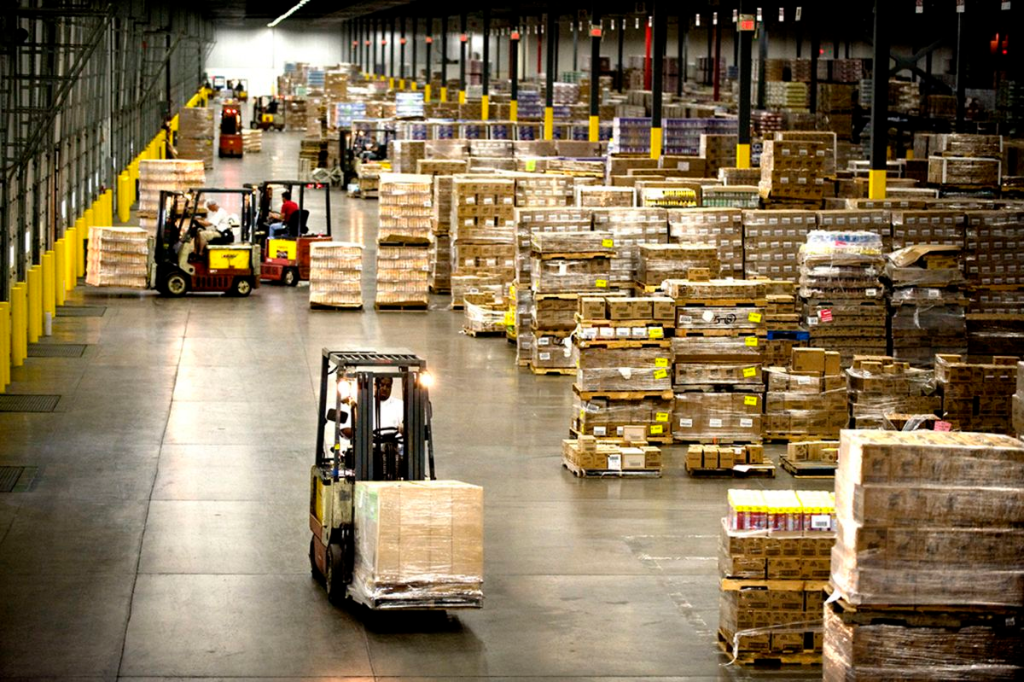
Flexible and secure warehousing solutions designed to support efficient global supply chain operations and cross-border logistics.

  • Services: Storage, labeling, picking & packing, consolidation, and distribution
  • Visibility: Real-time inventory management with accurate stock tracking
  • Best For: E-commerce fulfillment, bulk distribution, and international order processing
  • Locations: Strategic warehouse hubs in China and the USA

Ideal for businesses requiring efficient inventory control, faster order fulfillment, and seamless integration with international shipping and delivery networks.


📍DRAYAGE Service (Port Trucking USA)

Reliable short-distance container transport service connecting major seaports, rail terminals, and warehouses across the United States.

  • Service Scope: Port → Warehouse / Rail Yard → Warehouse / Port Interchange
  • Speed: Same-day or next-day pickup available (depending on port congestion)
  • Best For: Import containers, FCL shipments, port pickup, and inland drayage movement
  • Coverage: Major US ports and key inland logistics hubs

Ideal for ensuring fast container removal from ports after ocean freight arrival, reducing demurrage costs and enabling smooth customs clearance and efficient inland distribution.

OPERATIONAL EXCELLENCE

Our Shipping Process

①   Booking & Planning

Provide shipment details including weight/volume and routing preferences. We confirm optimal carriers and schedules to ensure lead-time stability.

④  Transportation

Cargo is transferred onto contracted flights. We monitor real-time schedules and provide milestone updates throughout the transit phase.

②  Pickup & Consolidation

Cargo is collected or received at Velotaclogistics hubs. Our team performs measurement, repacking, and precise labeling while preparing export documentation.

⑤  Overseas Clearance & Breakbulk

Arrival at U.S. hubs (LAX/SFO/ORD). Bonded handling and coordinated clearance through licensed brokers precede pallet breakdown.

③  Export Declaration

Compliant export filing for all express and special-line shipments, managed through standardized digital workflows to prevent origin delays.

⑥ Final Delivery & Visibility

Seamless transition to last-mile carriers. Full visibility remains active from initial pickup to the final milestone at destination.

You might be interested in learning more about...

Puerto Rico shipments are often misunderstood because they are legally domestic for customs purposes but still treated as separate operational zones by carriers and logistics providers. This creates confusion in documentation handling, service classification, and internal routing decisions, especially when systems are designed for international shipment structures rather than U.S. territorial movements.

Carriers often separate Puerto Rico operations due to island geography, vessel dependency, and specialized handling requirements. Even though it is part of the US territory, operational systems treat it differently for scheduling and equipment allocation, which creates distinct workflows compared to standard mainland domestic freight movements.

Documentation differences arise because some logistics platforms still apply international-style formatting rules. Puerto Rico shipments may require adjusted address structures, reference formats, or labeling conventions depending on carrier system design, leading to inconsistencies when integrated with mainland US domestic documentation standards.

Mismatches occur because shippers assume domestic simplicity while receivers often expect standardized mainland logistics behavior. Differences in handling procedures, consolidation practices, and carrier operations create gaps in expectations regarding service scope and coordination requirements between both sides.

Consolidation from Puerto Rico often involves multiple small shipments grouped before mainland distribution. This structure introduces coordination complexity because individual shipment details must remain aligned within a shared operational framework, increasing the likelihood of misalignment between grouped and individual shipment tracking data.

Service classification inconsistency occurs because some providers categorize Puerto Rico as domestic air/sea extension, while others treat it as semi-international routing. This difference in classification logic affects pricing structures, handling procedures, and internal system routing configurations.

Delays often occur when logistics systems attempt to integrate island-based operations with mainland US networks that use different scheduling and capacity models. Differences in infrastructure assumptions and routing logic can slow coordination between origin handling and destination distribution systems.

Equipment availability is influenced by vessel schedules, island return cycles, and mainland redistribution patterns. Because Puerto Rico relies on maritime movement for most cargo flow, limited equipment rotation can force frequent adjustments in planning and resource allocation.

Tracking discrepancies arise because different systems interpret milestones differently—some rely on port scans, others on vessel status updates or inland handoffs. This leads to multiple interpretations of the same movement stage across platforms used by stakeholders.

Billing confusion occurs when providers apply mixed domestic and maritime pricing logic. Some charges reflect inland US distribution while others reflect ocean movement components, resulting in combined structures that are not always clearly separated for customers.

Warehouses may treat Puerto Rico arrivals as domestic inbound but still apply special receiving workflows due to island-origin consolidation patterns. This can affect appointment scheduling, unloading priorities, and system registration rules depending on warehouse configuration.

Differences arise because carriers focus on operational feasibility while receivers expect standard domestic delivery behavior. Puerto Rico shipments often require additional handling steps that are not always visible to receivers, leading to expectation mismatches.

Coordination complexity comes from the combination of domestic legal status and island-based operational reality. While treated as domestic in regulation, the physical movement relies on maritime and air systems, requiring additional planning, synchronization, and resource alignment across multiple transport layers.