
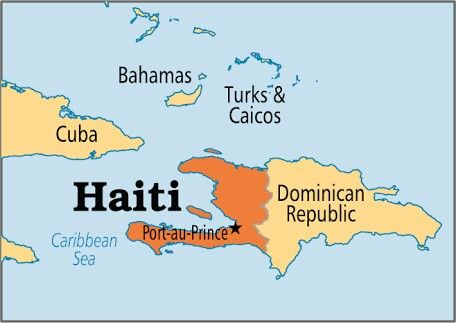
Reliable, cost-effective, and professionally coordinated logistics solutions for Shipping From Haiti To USA.
Velotac Logistics provides door-to-door freight services from Haiti to destinations across the USA, including ocean freight, air freight, customs clearance, warehousing, drayage, and final delivery.
Supported by strong carrier partnerships and integrated U.S. logistics networks, we ensure stable transit times, secure cargo handling, and flexible shipping solutions tailored to global supply chain needs.
Your Logistics Needs, Our Expertise.
Building a Resilient Supply Chain Through Partnership.
Why Choose Velotaclogistics
Worldwide Port Coverage Overview
🚢 Core Commercial Port
Port of Port-au-Prince
🚢 Regional Supplementary Ports
Port of Cap-Haïtien
Port of Saint-Marc
🚢 Local Minor Ports
Port of Jacmel
Port-de-Paix
SERVICE TIERS
Transportation Service Categories

Fast and reliable air freight service with 2–7 days transit time from Haiti to the USA. We work with major carriers to ensure stable and efficient delivery.
Ideal for e-commerce, samples, and time-sensitive cargo requiring fast customs clearance and stable delivery.
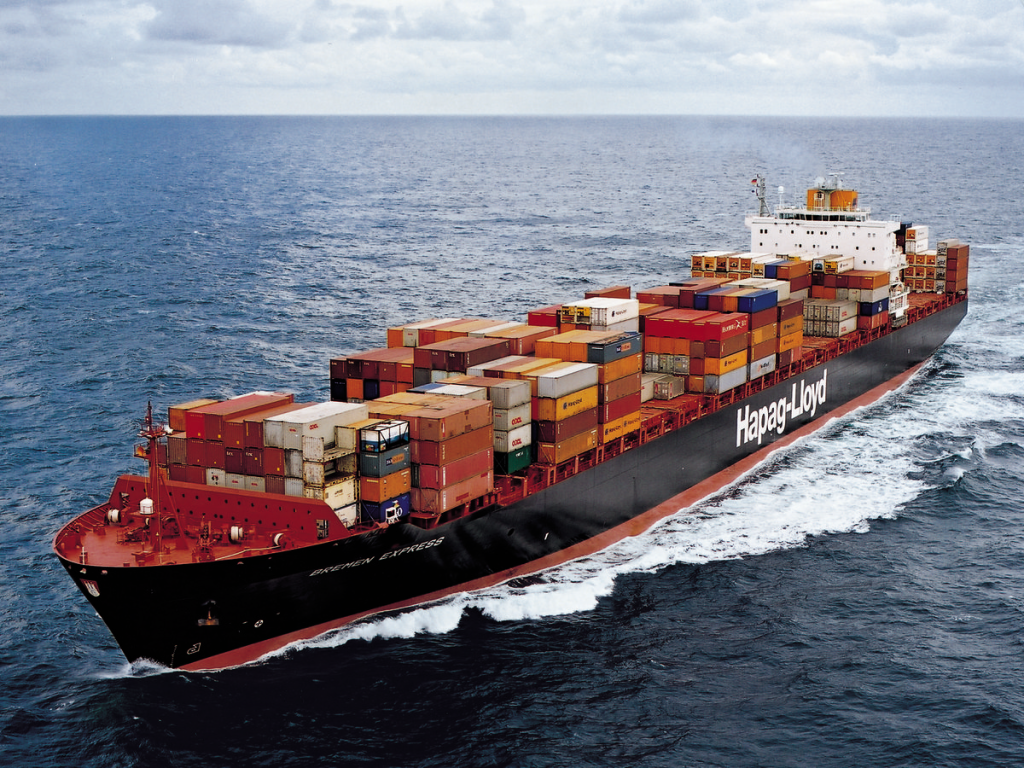
Cost-effective and stable ocean freight service for bulk cargo shipping from Haiti to the USA.
Ideal for businesses seeking lower shipping costs with reliable container shipping and full customs support.
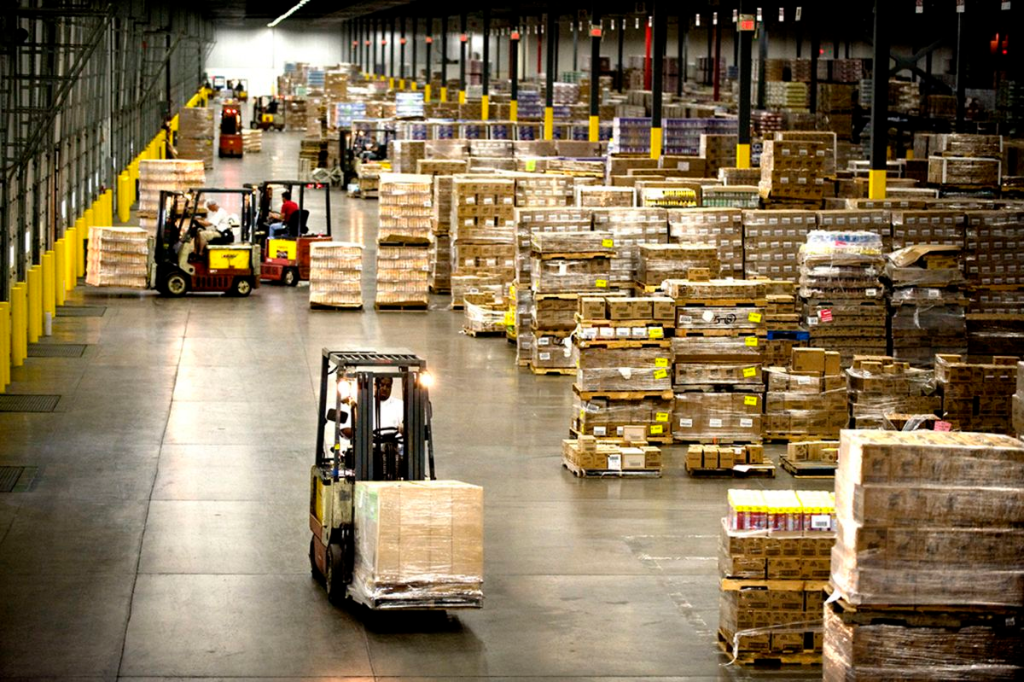
Flexible and secure warehousing solutions to support your global supply chain.
Ideal for businesses needing efficient storage, faster order processing, and smoother international shipping operations.
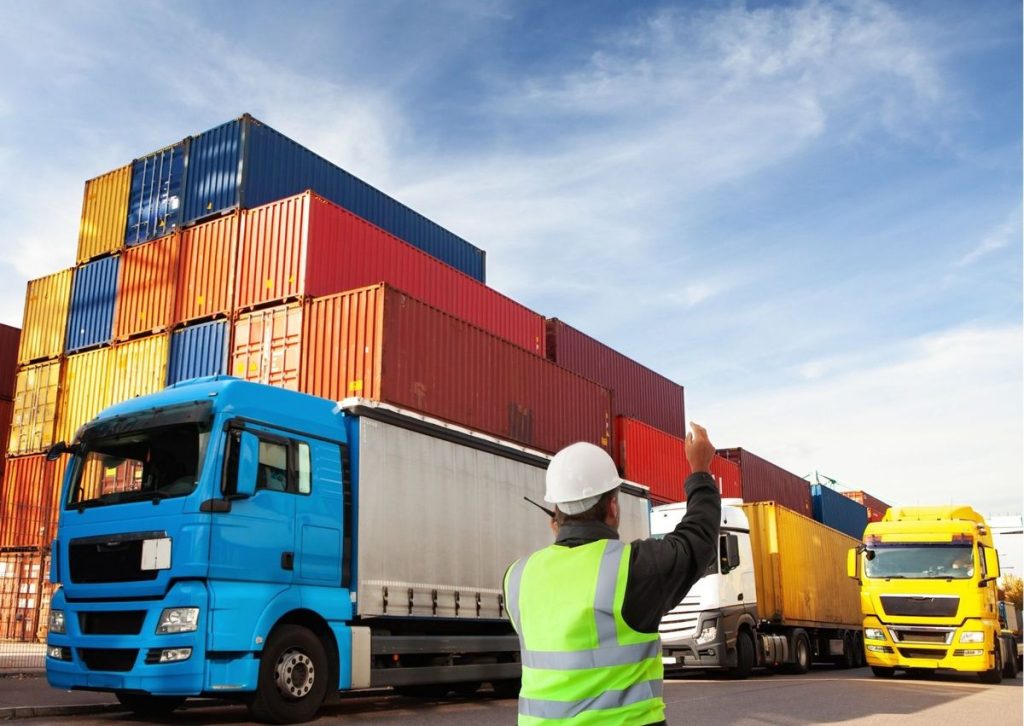
Reliable short-distance container transport connecting ports, rail yards, and warehouses across the United States.
Ideal for moving containers quickly after ocean freight to ensure smooth customs release and efficient inland delivery.
OPERATIONAL EXCELLENCE
Our Shipping Process
Provide shipment details including weight/volume and routing preferences. We confirm optimal carriers and schedules to ensure lead-time stability.
Cargo is transferred onto contracted flights. We monitor real-time schedules and provide milestone updates throughout the transit phase.
Cargo is collected or received at Velotaclogistics hubs. Our team performs measurement, repacking, and precise labeling while preparing export documentation.
Arrival at U.S. hubs (LAX/SFO/ORD). Bonded handling and coordinated clearance through licensed brokers precede pallet breakdown.
Compliant export filing for all express and special-line shipments, managed through standardized digital workflows to prevent origin delays.
Seamless transition to last-mile carriers. Full visibility remains active from initial pickup to the final milestone at destination.
In some parts of Haiti, road accessibility can change due to infrastructure conditions, demonstrations, or temporary route closures. Logistics providers often use alternative pickup arrangements, secure staging warehouses, and flexible trucking schedules to maintain cargo movement. Goods may be transferred to regional consolidation points before export. Maintaining accurate inventory records during these transfers is essential to avoid losses, ensure customs documentation remains correct, and keep shipments compliant throughout the transportation process to the United States.
Many Haitian artisan cooperatives produce goods in small batches, which can occasionally result in discrepancies between reported and actual quantities. Warehouse receiving inspections help verify carton counts, item quantities, and packaging conditions before export. If differences are identified, documentation can be updated before customs filing. This process prevents inventory disputes, reduces customs complications, and provides buyers with greater confidence that shipments accurately reflect purchased goods.
Yes. Commercial cargo associated with humanitarian projects, reconstruction efforts, or nonprofit partnerships may require supporting documentation to clarify its purpose and ownership. Customs authorities sometimes request additional records to distinguish commercial imports from aid shipments. Proper document preparation, including invoices, consignee information, and project details, helps prevent misunderstandings. Logistics providers often review these shipments carefully before export to ensure compliance with applicable import regulations.
Metal handicrafts exported from Haiti can be vulnerable to moisture exposure during transportation and storage. Warehousing facilities often use moisture-resistant packaging materials, protective coatings, and sealed cartons to reduce corrosion risks. Additional pallet wrapping may also be applied before ocean or air freight transport. These precautions help preserve product quality, reduce damage claims, and ensure buyers receive goods in acceptable condition after arrival in the United States.
Products manufactured from recycled materials may require detailed descriptions regarding composition and intended use. Customs authorities can request clarification if product materials are not clearly identified. Warehousing inspections often verify product consistency and packaging labels before shipment. Providing accurate documentation helps avoid classification issues, supports proper duty assessment, and reduces the likelihood of customs delays caused by uncertainty regarding material content.
Yes. Secure warehousing facilities can hold cargo while export paperwork, customs declarations, or regulatory approvals are being finalized. During storage, inventory management systems track shipment status and prevent unauthorized handling. This allows businesses to complete documentation requirements without exposing goods to unnecessary transportation risks. Proper storage also helps avoid rushed paperwork submissions that could lead to customs compliance problems later.
Small manufacturers in Haiti may occasionally use different carton sizes, packaging materials, or labeling methods across production runs. Warehouse quality control teams inspect incoming cargo and standardize packaging where necessary. Consistent packaging improves stacking efficiency, reduces transportation risks, and supports accurate customs declarations. Standardization also helps importers manage inventory more effectively once goods arrive in U.S. distribution facilities.
Country-of-origin labels are often required for apparel entering the United States. Missing or incorrect labels can trigger customs reviews, relabeling requirements, or additional inspections. Warehousing facilities may perform labeling verification before export and apply corrective labels if necessary. Addressing these issues before shipment helps avoid compliance complications and reduces the likelihood of cargo being delayed during customs processing.
Yes. Warehouse inspections frequently include checking carton strength, pallet stability, sealing quality, and internal product protection. Weak packaging may not be obvious during production but can fail during transportation. Identifying these issues before export allows corrective action such as repacking or reinforcement. This reduces damage risks and improves shipment reliability throughout air freight, ocean freight, and inland trucking operations.
Educational materials destined for different schools, organizations, or distributors can be sorted and labeled within warehouse facilities before export. Inventory management systems track each recipient’s allocation, ensuring accurate distribution after customs clearance. Proper organization reduces delivery errors and simplifies trucking coordination within the United States. This approach is especially useful for large programs involving multiple receiving locations.