
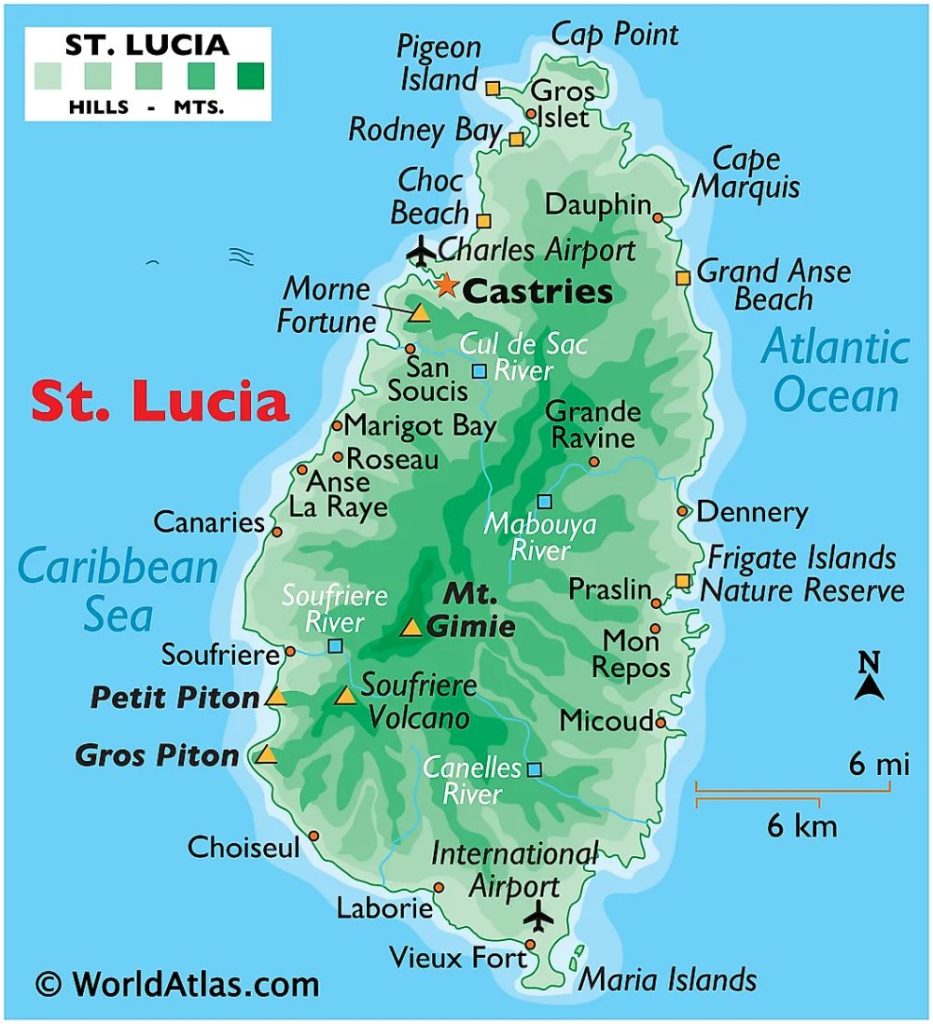
Velotac Logistics provides door-to-door freight services from Saint Lucia to destinations across the USA, including ocean freight, air freight, customs clearance, warehousing, drayage, and final delivery.
Supported by strong carrier partnerships and integrated U.S. logistics networks, we ensure stable transit times, secure cargo handling, and flexible shipping solutions tailored to global supply chain needs.
Your Logistics Needs, Our Expertise.
Building a Resilient Supply Chain Through Partnership.

Why Choose Velotaclogistics
Worldwide Port Coverage Overview
🚢 Core Commercial Port
Port of Castries
🚢 Industrial / Auxiliary Port
Port of Vieux Fort
🚢 Tourism / Minor Ports
Port of Soufrière
Port of Gros Islet
SERVICE TIERS
Transportation Service Categories

Fast and reliable air freight service with 2–7 days transit time from Saint Lucia to the USA. We work with DHL, FedEx, and UPS to ensure stable and efficient delivery.
Ideal for e-commerce, samples, and time-sensitive cargo requiring fast customs clearance and stable delivery.
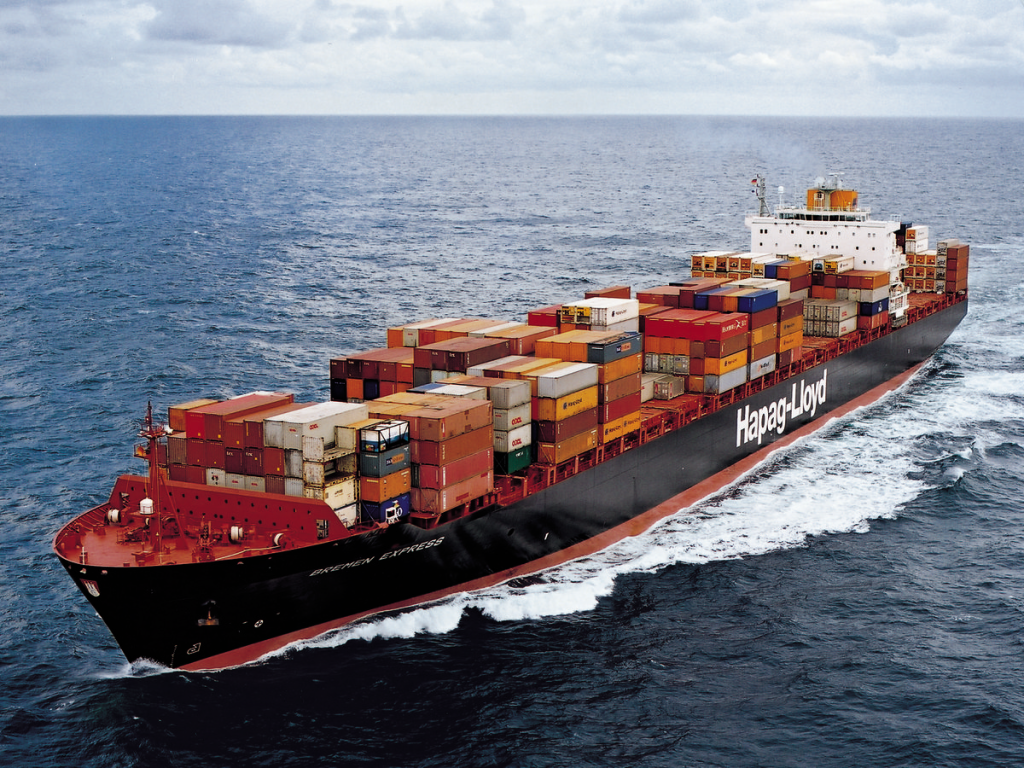
Cost-effective and stable ocean freight service for bulk cargo shipping from Saint Lucia to the USA.
Ideal for businesses seeking lower shipping costs with reliable container shipping and full customs support.
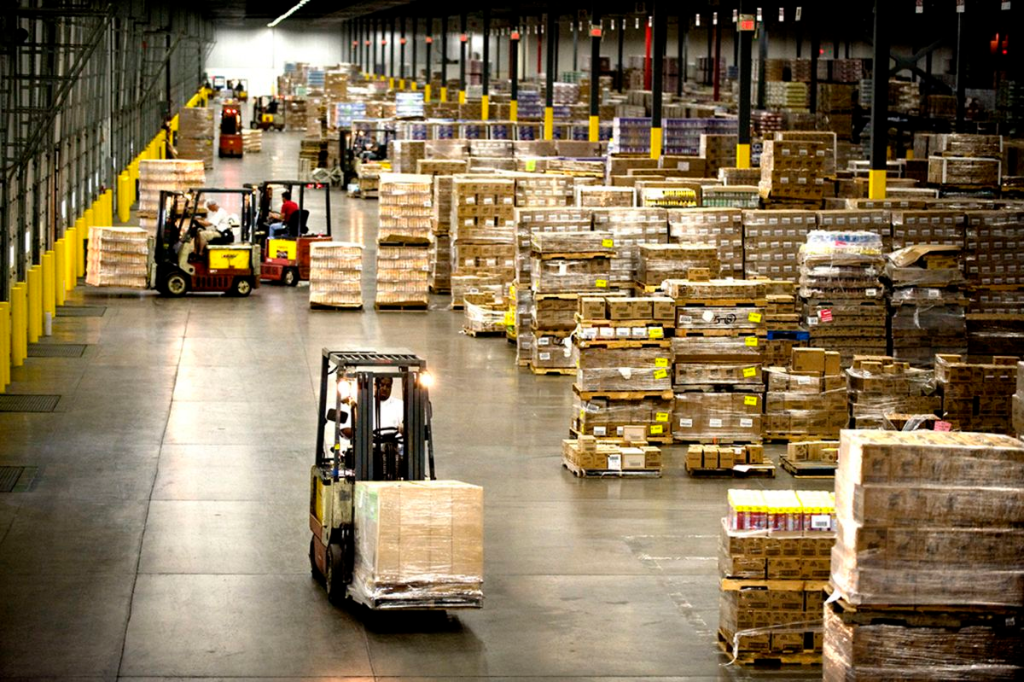
Flexible and secure warehousing solutions to support your global supply chain.
Ideal for businesses needing efficient storage, faster order processing, and smoother international shipping operations.
Reliable short-distance container transport connecting ports, rail yards, and warehouses across the United States for cargo arriving from Saint Lucia.
Ideal for moving containers quickly after ocean freight arrival from Saint Lucia to ensure smooth customs release and efficient inland delivery.
OPERATIONAL EXCELLENCE
Our Shipping Process
Provide shipment details including weight/volume and routing preferences. We confirm optimal carriers and schedules to ensure lead-time stability.
Cargo is transferred onto contracted flights. We monitor real-time schedules and provide milestone updates throughout the transit phase.
Cargo is collected or received at Velotaclogistics hubs. Our team performs measurement, repacking, and precise labeling while preparing export documentation.
Arrival at U.S. hubs (LAX/SFO/ORD). Bonded handling and coordinated clearance through licensed brokers precede pallet breakdown.
Compliant export filing for all express and special-line shipments, managed through standardized digital workflows to prevent origin delays.
Seamless transition to last-mile carriers. Full visibility remains active from initial pickup to the final milestone at destination.
Saint Lucia exporters often source products from businesses located around both Castries and Vieux Fort. When cargo originates from multiple regions, trucking services collect goods and transfer them to a central warehouse for inspection and consolidation. Inventory is checked for quantity accuracy, packaging condition, and document consistency before export. This process helps avoid shipment fragmentation, reduces administrative complexity, and ensures customs declarations accurately reflect all products included in the final shipment destined for the United States.
Saint Lucia exports specialty cocoa products, chocolates, and cocoa-derived ingredients that sometimes require detailed composition records. U.S. authorities may request ingredient breakdowns, manufacturer details, or processing information if documentation lacks sufficient detail. Warehouse inspection teams often verify packaging labels and supporting records before export. Preparing accurate product information in advance reduces customs questions, supports regulatory compliance, and helps prevent delays related to food product classification or ingredient verification.
Yes. Products labeled solely with local trade names or regional terminology may create confusion during customs review. Authorities typically require clear descriptions that identify product type, material, and intended use. Warehousing facilities can review labels and recommend modifications before shipment. Ensuring labels are understandable to international customs officials helps reduce clarification requests, improves classification accuracy, and supports smoother clearance when goods arrive in the United States.
Saint Lucia's hospitality sector frequently exports specialty furnishings, décor items, and maintenance supplies. These shipments often contain diverse product categories requiring careful inventory control. Warehouse teams sort items by category, verify quantities, and prepare detailed packing documentation. Proper organization helps customs authorities identify goods accurately and assists importers in distributing products efficiently after arrival. This approach reduces receiving errors and improves inventory management for hospitality-related imports.
Handmade soaps and cosmetic products often contain natural ingredients that must be documented accurately. Customs authorities may review ingredient information, product labeling, and intended use. Warehousing inspections help verify packaging compliance and ensure supporting documentation matches actual products. Accurate preparation reduces the risk of customs inquiries, helps maintain regulatory compliance, and supports successful importation into U.S. retail, wholesale, or e-commerce distribution channels.
Yes. Businesses exporting tourism-related products may experience fluctuating demand throughout the year. Warehousing facilities can store inventory until market conditions support distribution. During storage, inventory records are maintained and products remain available for consolidation with future shipments. This flexibility allows exporters and importers to better align inventory movement with sales cycles while avoiding unnecessary transportation or storage expenses elsewhere in the supply chain.
Dual-language packaging is generally acceptable, but product descriptions must remain clear and consistent throughout all shipping documents. Customs authorities may compare labels against invoices and packing lists during inspections. Warehouse review services help ensure terminology matches documentation and that no conflicting information appears on packaging. Maintaining consistency reduces customs questions and supports efficient cargo processing during import clearance.
Saint Lucia's artisan pottery and ceramic products require specialized handling because they are vulnerable to vibration and impact damage. Warehousing teams often use compartmentalized packaging, foam protection, reinforced cartons, and pallet stabilization techniques. These measures help protect items during trucking, air freight, ocean freight, and warehouse handling. Proper packaging preparation significantly reduces breakage risks and helps ensure products arrive in suitable condition for sale or display.
Yes. Warehouse quality inspections can compare products from different production batches to identify variations in size, color, labeling, or packaging. Detecting inconsistencies before export helps suppliers maintain product standards and prevents customer complaints. Inspection reports also provide valuable documentation for buyers who require confirmation that products meet agreed specifications prior to shipment.
Retail-ready products and bulk-packaged inventory often require different documentation and inventory tracking procedures. Combining both without proper organization can create confusion during customs inspections and warehouse receiving processes. Consolidation facilities separate cargo categories, apply clear labeling, and prepare detailed packing records. This improves shipment visibility and supports accurate customs classification throughout the import process.
Agricultural samples intended for testing often require special documentation identifying their purpose, quantity, and non-commercial status. Customs authorities may request supporting records to confirm that products are not intended for resale. Warehousing teams help prepare shipment documentation and ensure samples are packaged securely. Proper preparation reduces compliance issues and supports efficient processing by testing facilities after arrival.
Yes. Inventory audits can be performed before goods leave warehouse facilities for final distribution. Audits verify quantities, packaging conditions, pallet counts, and product identification details. This process helps importers confirm shipment accuracy before allocating inventory to customers, retailers, or fulfillment centers. Accurate audits reduce downstream discrepancies and improve supply chain reliability.