
Reliable, cost-effective, and professionally coordinated logistics solutions for Shipping From Grenada To USA.
Velotac Logistics provides door-to-door freight services from Grenada to destinations across the USA, including ocean freight, air freight, customs clearance, warehousing, drayage, and final delivery.
Supported by strong carrier partnerships and integrated U.S. logistics networks, we ensure stable transit times, secure cargo handling, and flexible shipping solutions tailored to global supply chain needs.
Your Logistics Needs, Our Expertise.
Building a Resilient Supply Chain Through Partnership.


Why Choose Velotaclogistics
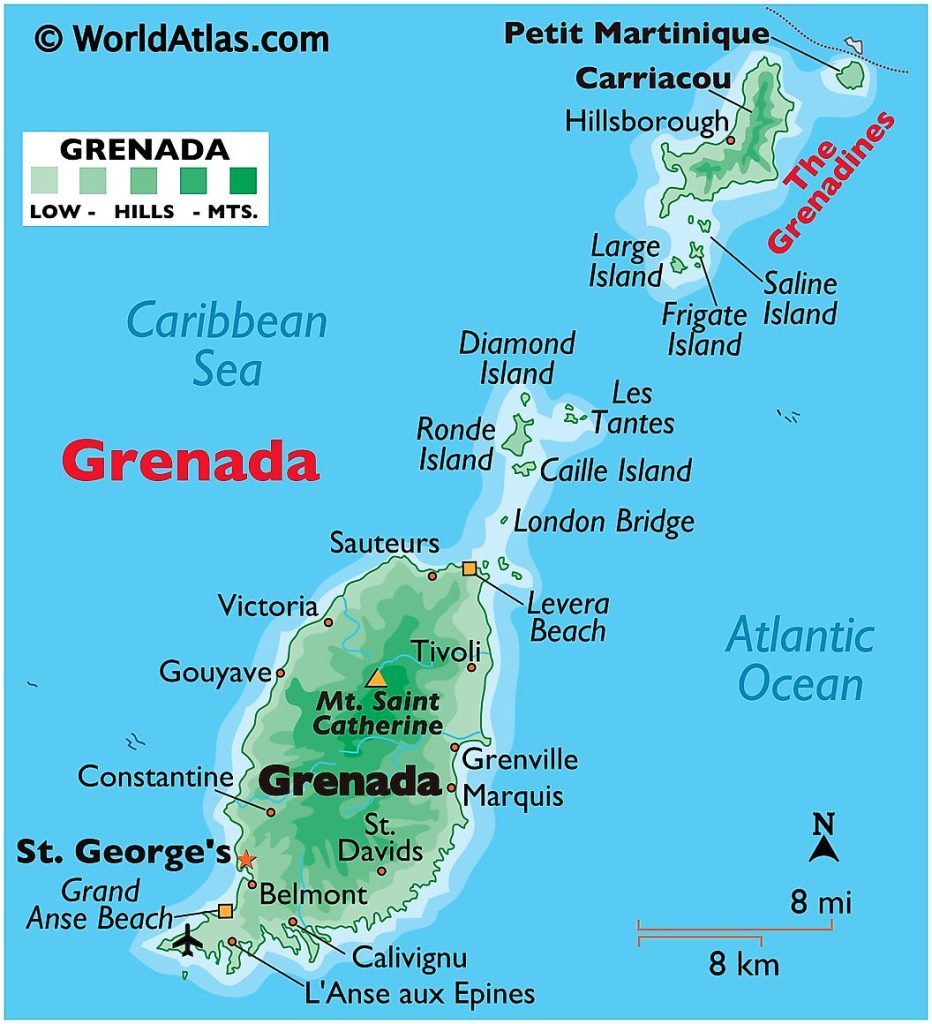
Worldwide Port Coverage Overview
🚢 Core Commercial Port
Port of St. George’s
🚢 Regional Supplementary Port
Grenville Port
🚢 Fisheries Port
Gouyave Port
🚢 Inter-island Port
Hillsborough Port (Carriacou)
🚢 Small Local Port
Sauteurs Port
SERVICE TIERS
Transportation Service Categories

Fast and reliable air freight service with 2–7 days transit time from Grenada to the USA. We work with DHL, FedEx, and UPS to ensure stable and efficient delivery.
Ideal for e-commerce, samples, and time-sensitive cargo requiring fast customs clearance and stable delivery.
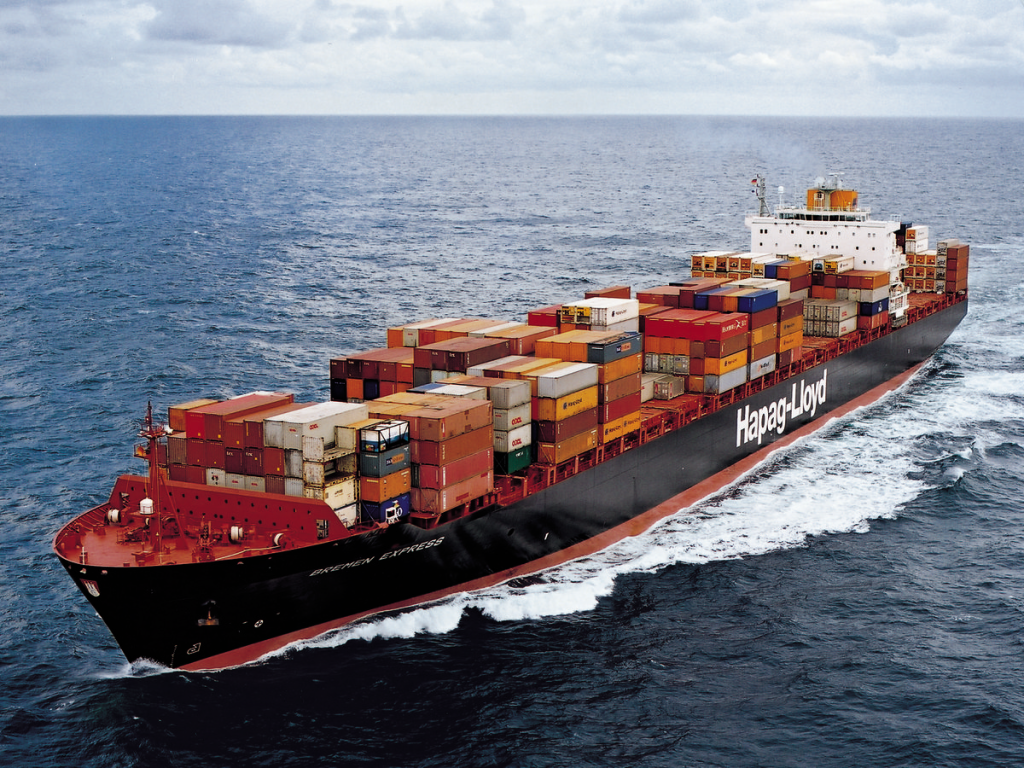
Cost-effective and stable ocean freight service for bulk cargo shipping from China to the USA.
Ideal for businesses seeking lower shipping costs with reliable container shipping and full customs support.
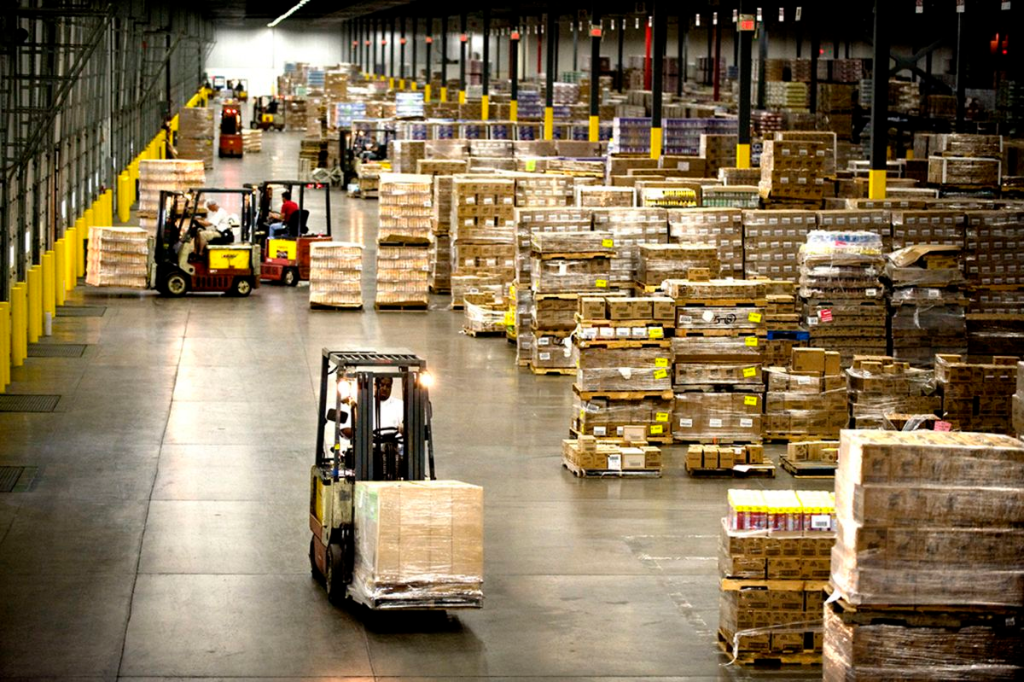
Flexible and secure warehousing solutions to support your global supply chain.
Ideal for businesses needing efficient storage, faster order processing, and smoother international shipping operations.
Reliable short-distance container transport connecting ports, rail yards, and warehouses across the United States after arrival from Grenada shipments.
Ideal for moving containers quickly after ocean freight from Grenada to ensure smooth customs release and efficient inland delivery.

OPERATIONAL EXCELLENCE
Our Shipping Process
Provide shipment details including weight/volume and routing preferences. We confirm optimal carriers and schedules to ensure lead-time stability.
Cargo is transferred onto contracted flights. We monitor real-time schedules and provide milestone updates throughout the transit phase.
Cargo is collected or received at Velotaclogistics hubs. Our team performs measurement, repacking, and precise labeling while preparing export documentation.
Arrival at U.S. hubs (LAX/SFO/ORD). Bonded handling and coordinated clearance through licensed brokers precede pallet breakdown.
Compliant export filing for all express and special-line shipments, managed through standardized digital workflows to prevent origin delays.
Seamless transition to last-mile carriers. Full visibility remains active from initial pickup to the final milestone at destination.
Grenada is globally known for nutmeg, mace, cinnamon, and other spices. Before export, warehouse inspection teams often verify product grades, packaging integrity, moisture levels, and labeling accuracy. U.S. importers may require batch records and supplier certifications to confirm product authenticity. Proper documentation helps customs authorities classify products correctly and reduces the risk of inspection delays. Warehousing and quality-control procedures are especially important when multiple spice varieties are consolidated into a single export shipment.
Agricultural products harvested during different seasons may have varying grades, moisture content, or packaging requirements. If mixed together without proper identification, customs inspections and buyer acceptance processes can become more complicated. Warehousing facilities can separate products by harvest lot, apply inventory controls, and maintain detailed records. This approach improves traceability, helps importers manage stock more effectively, and reduces disputes regarding product consistency after arrival in the United States.
Yes. Many agricultural products originate from rural farming regions rather than major commercial centers. Trucking services collect goods from multiple producers and transport them to consolidation warehouses. There, inventory is inspected, sorted, and prepared for export. Consolidation reduces transportation costs and simplifies customs documentation by combining cargo into a coordinated shipment. It also helps small producers access international markets without arranging individual export logistics.
Cocoa beans are highly sensitive to excess moisture, which can affect quality and market value. Warehousing facilities often use controlled storage conditions, elevated pallets, moisture barriers, and ventilation systems to maintain product integrity. Inventory inspections monitor storage conditions before export. These precautions help prevent mold growth, preserve quality standards, and ensure compliance with buyer requirements and import regulations in the United States.
Handcrafted wooden products may require detailed documentation regarding wood species, origin, and manufacturing processes. Customs authorities sometimes request supporting information to verify compliance with import regulations. Warehouse inspection teams review product descriptions and packaging labels before export. Accurate documentation helps prevent classification issues and ensures shipments proceed through customs without unnecessary delays caused by incomplete material disclosures.
Yes. Warehouses can divide inventory according to distributor, product category, or destination region before export. This allows importers to receive cargo already organized for downstream distribution. Proper sorting reduces handling after customs clearance and supports efficient trucking delivery to warehouses, retailers, or fulfillment centers throughout the United States. Inventory tracking systems also improve visibility and accountability throughout the process.
Inconsistent labels can create confusion during customs inspections and inventory receiving procedures. Warehousing facilities typically conduct label verification before shipment. If discrepancies are identified, corrective labeling can be applied before export. Ensuring consistency between packaging, invoices, and shipping documents helps customs authorities process cargo more efficiently and reduces the likelihood of additional clarification requests or shipment holds.
Fishing equipment often includes products of varying sizes and materials, ranging from nets and ropes to metal components. Warehouse teams inspect packaging, secure loose items, and verify inventory counts before export. Proper preparation helps prevent damage during transportation and simplifies customs classification. Accurate documentation also assists importers in managing inventory after arrival and supports smooth customs processing.
Yes. Handwritten records sometimes contain missing details, inconsistent descriptions, or unclear quantities. Logistics providers typically convert supplier information into standardized commercial shipping documents before export. Warehouse inspections may also verify inventory physically to ensure accuracy. These steps reduce documentation errors, improve customs compliance, and help avoid delays associated with unclear or incomplete shipment records.
Grenadian beverage products often require detailed ingredient descriptions, packaging information, and manufacturer details. Customs authorities may review documentation to determine classification and regulatory compliance. Warehouse teams verify product labels and compare them with shipping records before export. Accurate preparation reduces customs inquiries and supports efficient clearance when products enter the U.S. distribution system.
When warehouse staff identify discrepancies between physical inventory and supplier documentation, they conduct detailed counts and notify the exporter. Supporting records such as packing lists and loading reports are reviewed to identify the cause. Resolving discrepancies before export helps ensure accurate customs declarations and prevents inventory disputes after cargo reaches the United States.