
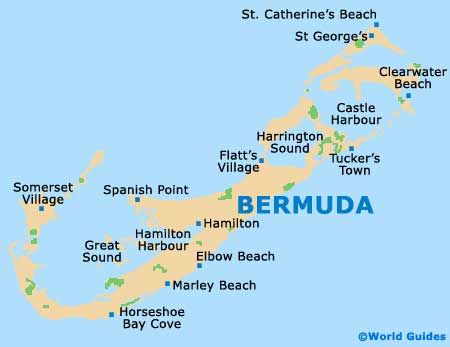
Reliable, cost-effective, and professionally coordinated logistics solutions for Shipping From Bermuda To USA.
Velotac Logistics provides door-to-door freight services from Bermuda to destinations across the United States, including ocean freight, air freight, customs clearance, warehousing, drayage, and final delivery.
Backed by strong carrier partnerships and an integrated U.S. logistics network, we ensure stable transit times, secure cargo handling, and flexible shipping solutions tailored to global supply chain needs.
Your Logistics Needs, Our Expertise.
Building a Resilient Supply Chain Through Partnership.



Why Choose Velotaclogistics
Worldwide Port Coverage Overview
🚢 Commercial / General Port
Hamilton Harbour
🚢 Main Cruise Port
Royal Naval Dockyard (King’s Wharf)
🚢 Historic Port
St. George’s Harbour
🛢️ Energy Supply Port
Southampton Oil Dock
SERVICE TIERS
Transportation Service Categories

Fast and reliable air freight service with 1–5 days transit time from Bermuda to the USA. We work with DHL, FedEx, and UPS to ensure stable and efficient delivery.
Ideal for e-commerce, samples, and time-sensitive cargo requiring fast customs clearance and stable delivery.
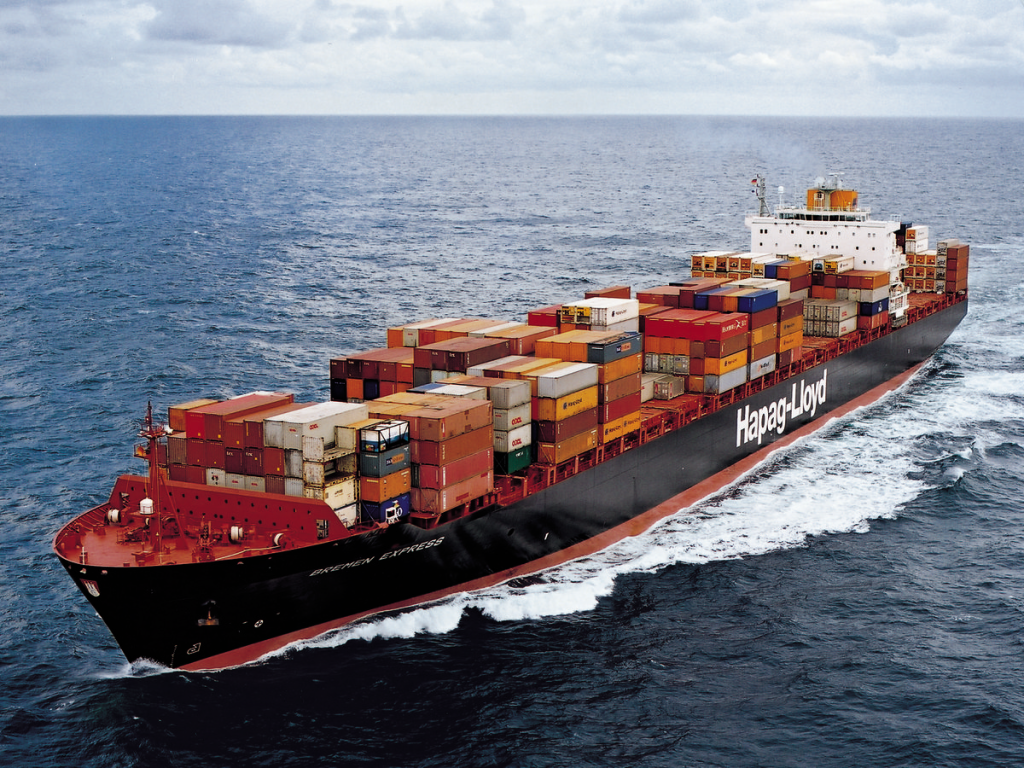
Cost-effective and stable ocean freight service for bulk cargo shipping from Bermuda to the USA.
Ideal for businesses seeking lower shipping costs with reliable container shipping and full customs support.
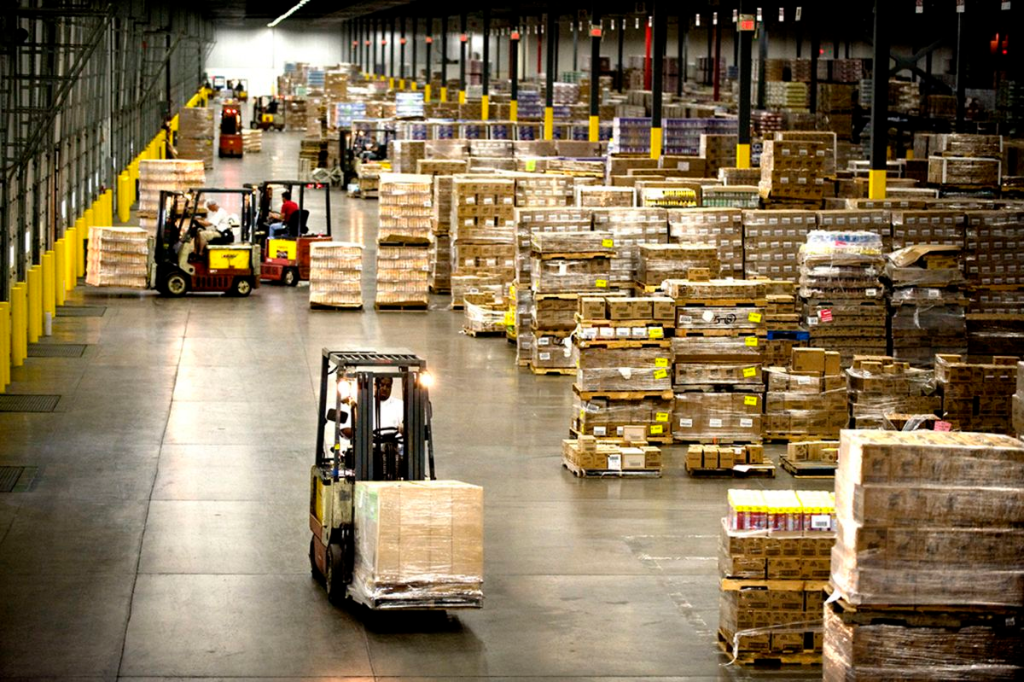
Flexible and secure warehousing solutions to support your global supply chain from Bermuda to the USA.
Ideal for businesses needing efficient storage, faster order processing, and smoother international shipping operations.
Reliable short-distance container transport connecting ports, rail yards, and warehouses across the United States, supporting shipments from Bermuda to the USA.
Ideal for moving containers quickly after ocean freight to ensure smooth customs release and efficient inland delivery.

OPERATIONAL EXCELLENCE
Our Shipping Process
Provide shipment details including weight/volume and routing preferences. We confirm optimal carriers and schedules to ensure lead-time stability.
Cargo is transferred onto contracted flights. We monitor real-time schedules and provide milestone updates throughout the transit phase.
Cargo is collected or received at Velotaclogistics hubs. Our team performs measurement, repacking, and precise labeling while preparing export documentation.
Arrival at U.S. hubs (LAX/SFO/ORD). Bonded handling and coordinated clearance through licensed brokers precede pallet breakdown.
Compliant export filing for all express and special-line shipments, managed through standardized digital workflows to prevent origin delays.
Seamless transition to last-mile carriers. Full visibility remains active from initial pickup to the final milestone at destination.
Bermuda has limited port capacity, so vessel scheduling disruptions can occur during peak tourism or weather-related surges. When congestion happens, cargo may be held in bonded or private warehouses until space becomes available. Logistics providers coordinate with shipping lines to adjust sailing plans or reroute via air freight when necessary. Proper warehousing ensures goods remain secure, documented, and ready for export without requiring reprocessing of customs paperwork once space is allocated.
Bermuda’s marine economy often involves yacht maintenance and luxury vessel components. These parts may require detailed classification due to high value and technical specifications. Customs may request manufacturer documentation, serial numbers, or usage descriptions. Warehousing teams assist by verifying labels and organizing technical documentation before export. Accurate classification helps avoid valuation disputes and ensures smooth clearance when entering U.S. ports, especially for high-value marine equipment shipments.
Yes. Bermuda is prone to tropical storms and hurricanes, which can disrupt air freight schedules. When flights are rerouted or delayed, cargo is stored in secure warehouse facilities until transport resumes. Temperature-sensitive or high-value goods may require additional protective measures during storage. Logistics providers adjust shipping plans and coordinate alternative air routes to ensure cargo integrity while maintaining compliance with customs requirements for U.S. import entry.
Bermuda’s hospitality industry frequently ships mixed goods such as linens, furniture, and amenities. These items must be separated, labeled, and inventoried carefully in warehouses before consolidation. Without proper organization, customs classification and receiving in the U.S. become complicated. Warehousing services ensure each category is documented correctly, improving shipment accuracy and reducing errors during distribution to hotels or resort facilities after arrival.
Duty-free goods require strict documentation to confirm eligibility and proper valuation for U.S. customs. If records are incomplete, authorities may reassess duties or request additional proof of origin and pricing. Warehousing teams often standardize invoices and ensure product consistency before shipment. Proper documentation helps avoid unexpected charges and ensures smooth import processing for retail and commercial distribution channels.
Yes. Bermuda’s humid maritime climate can cause corrosion in metal goods or moisture damage in packaging. Warehouse inspections identify early signs of rust, mold, or condensation issues. If detected, goods may be repackaged, treated with protective coatings, or reconditioned before export. This helps prevent product deterioration during ocean or air transport and ensures goods arrive in acceptable condition for U.S. buyers.
Insurance claims require detailed documentation including warehouse inspection reports, cargo photos, packing lists, and transport records. In Bermuda, logistics providers often document cargo condition before departure to strengthen claim validity. If damage or loss occurs during transit, these records help determine liability and support compensation processes. Accurate documentation is essential for resolving disputes efficiently in cross-border shipments to the United States.
Mixed currency invoices can create confusion during customs valuation and lead to delays or reassessment. Authorities require consistent currency reporting with clear exchange rates. Logistics providers typically standardize financial documents before submission. Warehousing teams may also flag inconsistencies during intake. Ensuring uniform currency formatting helps avoid compliance issues and supports accurate duty calculation during U.S. import clearance.
Yes. Although Bermuda is geographically small, goods may be stored in different commercial or port-area warehouses. Trucking services coordinate pickup from multiple locations and deliver to consolidation points. This ensures efficient aggregation of cargo before export. Proper coordination reduces handling delays and ensures inventory accuracy before shipment is prepared for air or sea freight transport to the United States.
Luxury furnishings such as marble, designer furniture, and custom décor require careful packaging and inventory control. Warehouse teams inspect each item, verify dimensions, and prepare protective crating to prevent damage. Documentation must reflect high-value classification for customs purposes. Proper preparation ensures safe handling during transport and reduces risks of damage or misclassification during U.S. import processing.
Marine construction materials such as dock components or corrosion-resistant steel require specialized handling due to weight and environmental exposure risks. Warehousing ensures proper stacking, moisture protection, and accurate labeling before export. Customs may require technical specifications and usage descriptions. Proper preparation helps ensure compliance and safe transport through both ocean freight and trucking networks.
Yes. Warehousing services allow cargo to be stored safely if U.S. buyers delay receiving shipments due to scheduling, customs clearance, or distribution planning. This prevents forced delivery or storage penalties at destination points. Inventory remains secure and fully traceable, giving importers flexibility to adjust delivery timing without disrupting supply chain continuity.
If errors such as incorrect labeling, missing documents, or wrong quantities are identified after packing, warehouse teams can rework shipments. This may include relabeling cartons, adjusting inventory records, or repacking goods. Early correction prevents customs issues and reduces the likelihood of shipment rejection or inspection delays at U.S. entry points.
Sudden increases in tourism-related demand can strain warehouse and shipping capacity. Logistics providers respond by expanding consolidation schedules, increasing trucking frequency, and prioritizing air freight when needed. Warehousing systems help manage overflow inventory and maintain order accuracy. This ensures consistent supply flow despite seasonal fluctuations in Bermuda’s tourism-driven economy.
Small exporters often rely on logistics providers for documentation, warehousing, customs clearance, and transportation coordination. These services help businesses comply with U.S. import regulations without needing in-house logistics expertise. Providers also assist with cargo consolidation and inspection to improve shipment accuracy. This support enables small businesses to participate in international trade with reduced operational complexity and improved reliability.