
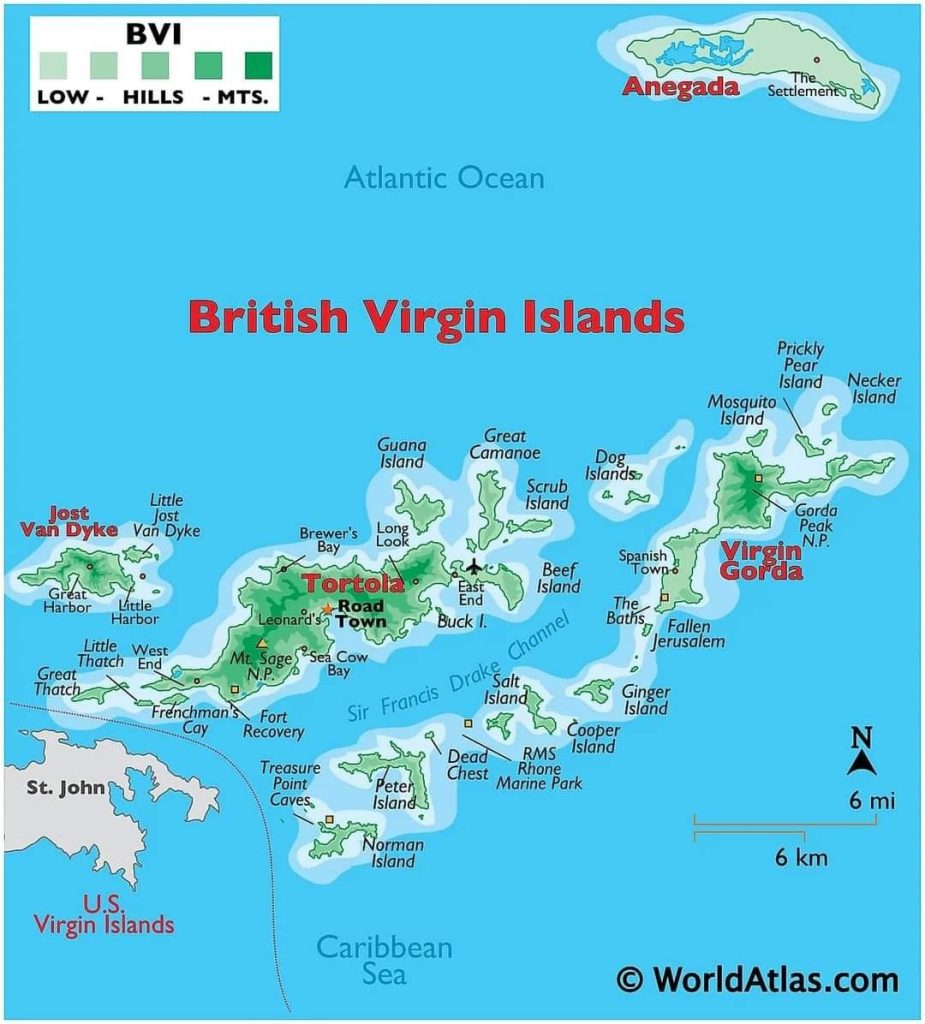
Reliable, cost-effective, and professionally coordinated logistics solutions for Shipping From the British Virgin Islands To USA.
Velotac Logistics provides door-to-door freight services from the British Virgin Islands to destinations across the United States, including ocean freight, air freight, customs clearance, warehousing, drayage, and final delivery.
Backed by strong carrier partnerships and an integrated U.S. logistics network, we ensure stable transit times, secure cargo handling, and flexible shipping solutions tailored to global supply chain needs.
Your Logistics Needs, Our Expertise.
Building a Resilient Supply Chain Through Partnership.

Why Choose Velotaclogistics
Worldwide Port Coverage Overview
🚢 Main Commercial Port
Road Town Harbour
🚢 Cargo Port
Road Town Cargo Dock
🚢 Ferry Terminal
West End Ferry Terminal
🚢 Outer Island Port
Virgin Gorda Port
Cruz Bay Connection
🚢 Yacht Marina
Soper’s Hole Wharf
SERVICE TIERS
Transportation Service Categories

Fast and reliable air freight service with 2–7 days transit time from British Virgin Island to the USA. We work with major international carriers to ensure stable and efficient delivery.
Ideal for e-commerce, samples, and time-sensitive cargo requiring fast customs clearance and stable delivery.
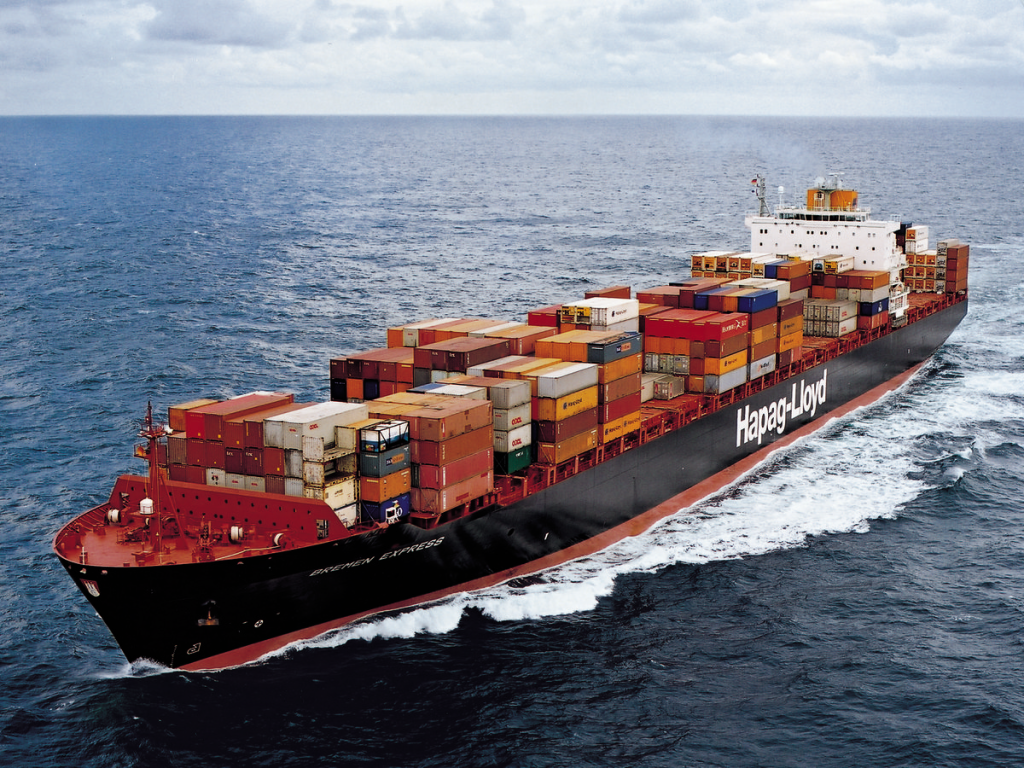
Cost-effective and stable ocean freight service for bulk cargo shipping from China to the USA.
Ideal for businesses seeking lower shipping costs with reliable container shipping and full customs support.
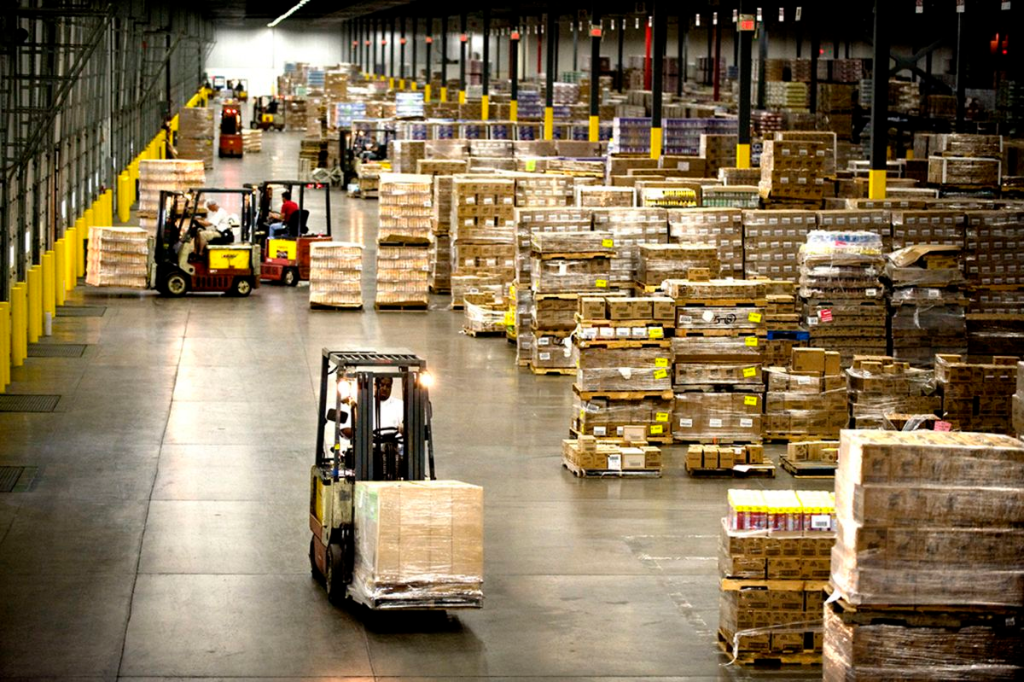
Flexible and secure warehousing solutions to support your global supply chain.
Ideal for businesses needing efficient storage, faster order processing, and smoother international shipping operations.
Reliable short-distance container transport connecting ports, rail yards, and warehouses across the United States.
Ideal for moving containers quickly after ocean freight to ensure smooth customs release and efficient inland delivery.

OPERATIONAL EXCELLENCE
Our Shipping Process
Provide shipment details including weight/volume and routing preferences. We confirm optimal carriers and schedules to ensure lead-time stability.
Cargo is transferred onto contracted flights. We monitor real-time schedules and provide milestone updates throughout the transit phase.
Cargo is collected or received at Velotaclogistics hubs. Our team performs measurement, repacking, and precise labeling while preparing export documentation.
Arrival at U.S. hubs (LAX/SFO/ORD). Bonded handling and coordinated clearance through licensed brokers precede pallet breakdown.
Compliant export filing for all express and special-line shipments, managed through standardized digital workflows to prevent origin delays.
Seamless transition to last-mile carriers. Full visibility remains active from initial pickup to the final milestone at destination.
In the British Virgin Islands, inter-island ferries are essential for moving goods between smaller islands and main export points like Tortola. When schedules change due to weather or mechanical issues, cargo is temporarily stored in secure warehouses. Logistics providers reschedule trucking and marine transfers to maintain continuity. Proper inventory tracking ensures no loss during transitions. Once transportation resumes, goods are consolidated and prepared for export with updated documentation for smooth U.S. customs processing.
Charter yachts often carry both personal belongings and commercial goods, especially in tourism-driven logistics. Customs authorities require clear separation between these categories. If mixed incorrectly, shipments may face inspection delays or valuation issues. Warehousing teams help segregate cargo, label items properly, and prepare compliant documentation. This ensures that personal goods are not taxed as commercial imports and that commercial cargo is correctly declared for U.S. entry requirements.
Yes. The British Virgin Islands are highly exposed to hurricane activity, which can temporarily disrupt port operations, trucking, and warehouse access. During such events, cargo is moved to reinforced storage facilities designed for storm protection. Logistics providers adjust shipping schedules and coordinate with carriers once conditions stabilize. Maintaining proper documentation and secure storage ensures cargo remains compliant and ready for export when operations resume safely.
Luxury yacht provisioning often includes food, beverages, linens, and technical supplies sourced from multiple vendors. Warehousing facilities consolidate these items into organized shipments based on category and destination requirements. Proper separation is essential for customs classification and inventory control. Without structured consolidation, receiving errors may occur in the U.S. Proper logistics coordination ensures accurate labeling and efficient distribution to yacht operators or hospitality clients after arrival.
Duty-free retail goods require strict documentation to confirm eligibility and pricing structure. If invoices are incomplete or inconsistent, customs authorities may reassess duties or request additional verification. Warehousing teams standardize documentation and ensure packaging aligns with declared values. This helps prevent delays and ensures proper classification during U.S. import processing for commercial or retail distribution channels.
Yes. Saltwater exposure is a common issue in island logistics due to high humidity and coastal storage conditions. Warehouse inspections identify corrosion, moisture damage, or packaging degradation before export. If issues are found, goods may be repackaged or treated to prevent further deterioration. Early detection ensures cargo quality is maintained throughout ocean or air freight transport to the United States.
Small island suppliers sometimes use handwritten invoices or informal packing lists, which may lack required customs details. Logistics providers convert these into standardized commercial documents. Warehouse teams verify quantities and product descriptions to ensure accuracy. This process reduces customs delays and ensures compliance with U.S. import regulations by aligning documentation with physical cargo before export.
Weight differences can occur when cargo moves between islands due to repackaging, moisture changes, or consolidation adjustments. Warehouses perform verification checks and update records accordingly. Customs documentation may be revised to reflect accurate weights. Ensuring consistency between physical cargo and declared data helps prevent customs scrutiny and supports smooth import clearance in the United States.
Yes. Although the British Virgin Islands have limited road networks, trucking services are optimized for short-distance transport between ports, warehouses, and supplier locations. Logistics providers coordinate schedules carefully to avoid congestion and ensure timely consolidation. Efficient routing helps maintain cargo flow and supports export readiness for air or sea freight transport to the United States.
Marine repair parts are often time-sensitive due to vessel downtime risks. Logistics providers prioritize these shipments through expedited documentation, immediate warehouse handling, and fast customs coordination. Air freight is commonly used when urgency is high. Warehouses ensure correct labeling and packaging so parts can move quickly through the supply chain and reach repair facilities in the United States without unnecessary delays.
Tourism merchandise often includes souvenirs, apparel, and promotional items with different classifications. Without proper separation, customs clearance can become complicated. Warehouses organize goods into categories, apply labeling, and prepare accurate packing lists. This reduces inspection risks and ensures correct duty application when shipments arrive in the United States.
Yes. When customs requests additional documentation or inspection, cargo can be held in secure warehousing or bonded facilities. This ensures goods remain protected while issues are resolved. Logistics providers coordinate with customs brokers to supply required information. Proper storage prevents unnecessary delays or penalties during the verification process.
Fragile glass and crystal products require specialized packaging, including foam inserts, reinforced cartons, and pallet stabilization. Warehousing teams conduct pre-shipment inspections to ensure packaging integrity. Proper handling reduces breakage risks during trucking, air freight, and ocean transport. This is especially important for luxury or handcrafted goods exported from the British Virgin Islands.
Local language variations or informal naming can create confusion during customs inspection. Logistics providers standardize labels into internationally recognized English descriptions. Warehousing teams verify consistency between labels and shipping documents. This ensures customs officials can accurately identify cargo and reduces the likelihood of clearance delays.
Small exporters in the British Virgin Islands often lack formal logistics infrastructure. Providers assist with warehousing, cargo inspection, documentation preparation, trucking coordination, and customs clearance. These services allow small businesses to meet international shipping requirements without complex internal systems. This support improves export reliability and enables smoother access to U.S. markets.