
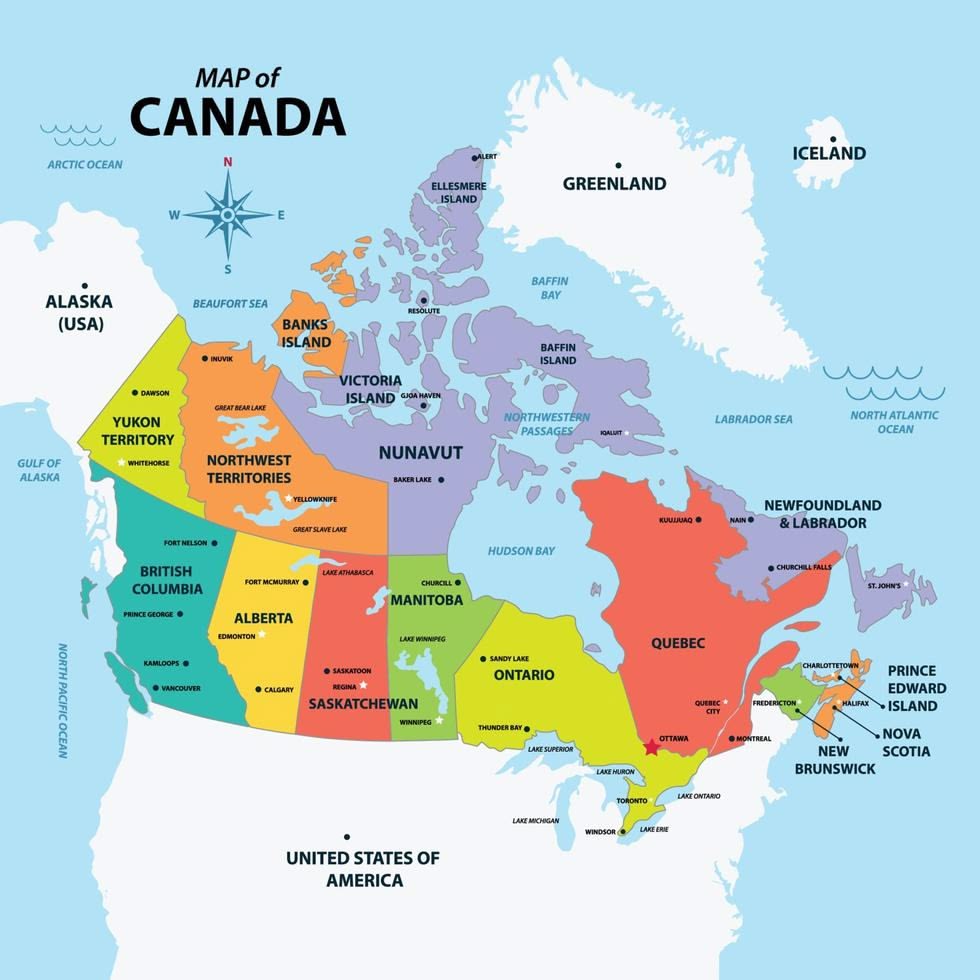
Velotac Logistics provides door-to-door freight services from major Canadian cities and ports to destinations across the USA, including ocean freight, truck freight (FTL/LTL), air freight, customs clearance, warehousing, drayage, and final delivery.
Supported by strong cross-border carrier networks and integrated North American logistics systems, we ensure stable transit times, secure cargo handling, and flexible shipping solutions tailored to cross-border supply chain needs.
Typical transit times range from 1–3 days for truck freight (Canada–U.S. border regions), 3–7 days for long-haul trucking across the U.S., and 2–5 days for air freight depending on service level and customs processing.
Our solutions are optimized for efficient Canada–USA trade lanes, supporting both B2B shipments and e-commerce fulfillment with reliable customs brokerage and real-time shipment tracking.
Your Logistics Needs, Our Expertise.
Building a Resilient Supply Chain Through Partnership.

Why Choose Velotaclogistics
Worldwide Port Coverage Overview
🌊 Pacific Ports
Vancouver
Prince Rupert
Victoria
🌊 Atlantic Ports
Halifax
Saint John
🌊 Inland Waterway Ports
Montreal
Quebec City
🌊 Great Lakes Ports
Toronto
Hamilton
SERVICE TIERS
Transportation Service Categories

Fast and reliable air freight service from Canada to the USA with stable transit times and full end-to-end logistics coordination. We partner with major international carriers to ensure efficient cross-border delivery and customs handling.
Ideal for e-commerce shipments, business samples, spare parts, and time-sensitive cargo requiring fast customs clearance and dependable delivery across the Canada–USA trade lane.
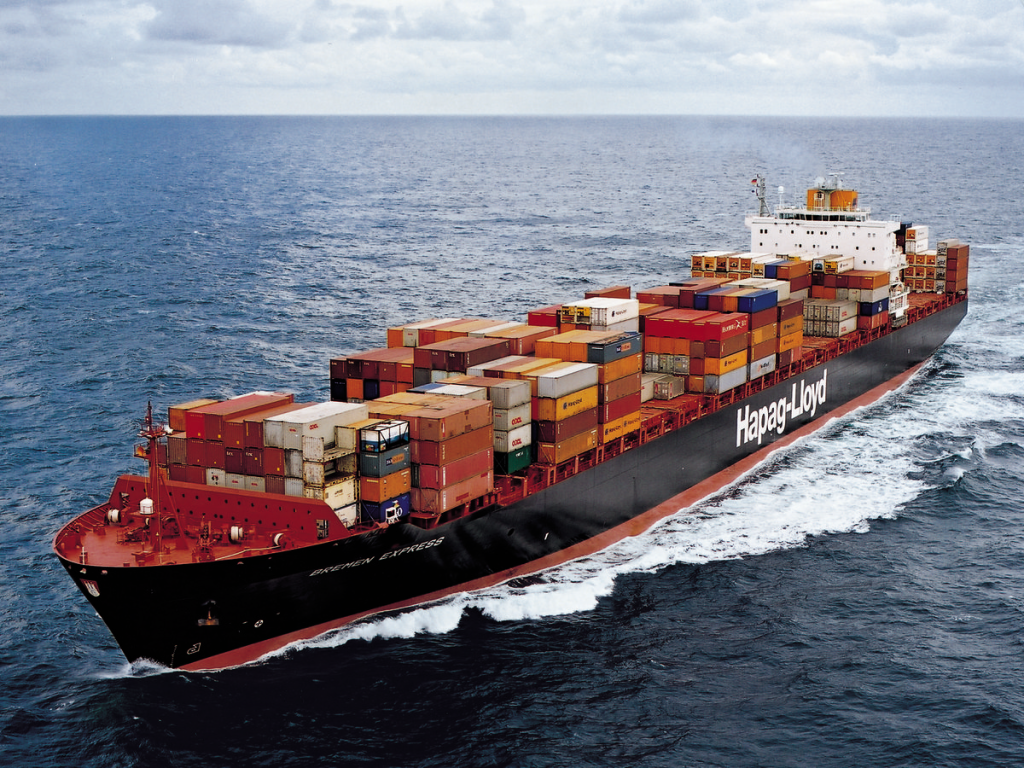
Cost-effective and stable ocean freight service from Canada to the USA for bulk cargo and large-volume cross-border shipments.
Ideal for businesses seeking lower cross-border logistics costs, reliable container shipping, and coordinated customs clearance between Canada and the USA.
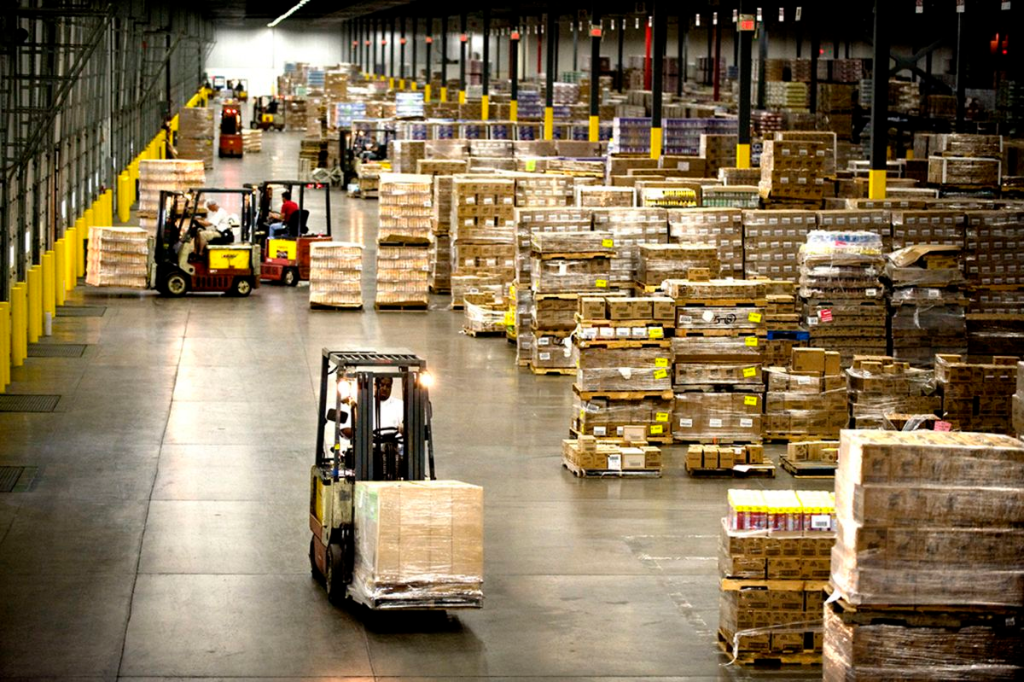
Flexible and secure warehousing solutions to support cross-border supply chain operations between Canada and the USA.
Ideal for businesses needing efficient inventory control, faster order processing, and smoother international freight movement across North American supply chains.
Reliable short-distance container transport service supporting cross-border logistics between Canada and the USA, connecting ports, rail terminals, and warehouses across North America.
Ideal for moving containers quickly after ocean freight or cross-border clearance, ensuring smooth customs processing, reduced dwell time, and efficient inland delivery across the Canada–USA logistics network.
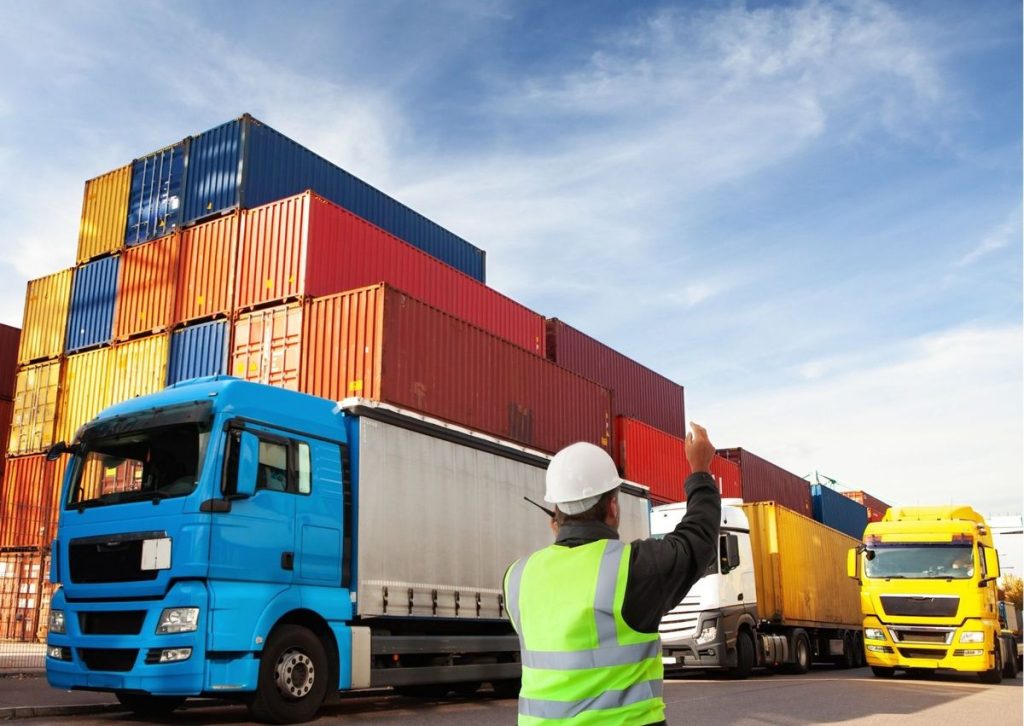
OPERATIONAL EXCELLENCE
Our Shipping Process
Provide shipment details including weight/volume and routing preferences. We confirm optimal carriers and schedules to ensure lead-time stability.
Cargo is transferred onto contracted flights. We monitor real-time schedules and provide milestone updates throughout the transit phase.
Cargo is collected or received at Velotaclogistics hubs. Our team performs measurement, repacking, and precise labeling while preparing export documentation.
Arrival at U.S. hubs (LAX/SFO/ORD). Bonded handling and coordinated clearance through licensed brokers precede pallet breakdown.
Compliant export filing for all express and special-line shipments, managed through standardized digital workflows to prevent origin delays.
Seamless transition to last-mile carriers. Full visibility remains active from initial pickup to the final milestone at destination.
Canada–U.S. trucking routes often pass through multiple inspection points, and secondary inspections can occasionally redirect vehicles to alternative facilities. When this happens, cargo may be temporarily held in bonded warehouses for re-documentation and verification. Logistics providers coordinate updated manifests and ensure compliance with both CBP and Canadian customs requirements. Proper warehouse staging helps maintain inventory accuracy and prevents shipment fragmentation during re-routing events.
Automotive parts exported from Canada frequently require traceability documentation such as VIN references, batch numbers, or manufacturer certifications. U.S. customs may request these records to confirm legality and classification. Warehousing teams verify labels, cross-check invoices, and organize supporting documents before export. Without proper traceability, shipments may face inspection holds or classification delays, especially for engine components and high-value aftermarket automotive parts.
Yes. Pharmaceutical shipments requiring controlled temperatures can be delayed if additional inspection or documentation review is needed at the border. Warehouses use temperature-monitored cold storage and emergency backup systems to maintain product integrity. Logistics providers coordinate expedited customs clearance and ensure temperature logs are provided to authorities. Maintaining strict cold-chain documentation is essential for compliance with U.S. FDA import requirements.
Wood products exported from Canada must comply with U.S. phytosanitary regulations. Customs may require heat treatment certificates or pest inspection documentation. Warehouses inspect labeling, moisture levels, and certification documents before shipment. Failure to provide proper compliance records can result in treatment, re-export, or inspection delays. Proper preparation ensures smooth entry into the United States, especially for raw lumber and wooden packaging materials.
Retail shipments sourced from different provinces may involve varying tax systems, documentation styles, and supplier formats. Warehouses consolidate goods and standardize invoices, packing lists, and HS codes before export. This ensures consistency during U.S. customs review. Without proper consolidation, shipments may face classification confusion or valuation discrepancies during cross-border clearance.
Yes. Goods transported across long Canadian inland routes may experience vibration damage, pallet instability, or packaging wear. Warehouse inspections identify structural issues before export. Damaged goods may be repackaged or reinforced to ensure safe cross-border transport. This reduces risk during trucking and helps maintain compliance with U.S. import packaging expectations.
High-value electronics require anti-static packaging, humidity control, and shock-resistant handling. Warehouses conduct pre-shipment inspections to ensure proper packaging standards. Logistics providers may use secure air freight consolidation zones with controlled access. Proper handling minimizes theft, damage, and environmental risks during transportation to U.S. destinations.
Canada’s bilingual labeling can sometimes create inconsistencies if product descriptions differ between languages. Customs authorities may request clarification when translations do not match. Warehouses standardize product descriptions into unified English documentation before export. This ensures alignment between labels, invoices, and customs filings, reducing the risk of inspection delays.
Yes. Cross-border trucking from Canada often connects to U.S. distribution networks for multi-state delivery. Logistics providers coordinate routing, split shipments, and manage customs clearance at entry points. Warehousing systems ensure inventory is pre-sorted for efficient downstream distribution. This reduces handling time and improves delivery accuracy across multiple U.S. destinations.
Food exports require detailed FDA registration, ingredient lists, and supplier records. If documentation is incomplete, shipments may be held for review or rejected at entry. Warehouses help verify compliance documents and ensure labeling accuracy before export. Proper preparation reduces regulatory delays and ensures food products meet U.S. import safety standards.
Construction materials such as steel, cement additives, and fixtures must often be separated due to classification differences. Warehouses organize materials into categorized loads and verify documentation before export. Mixed loads without proper separation may lead to customs reclassification or inspection delays. Proper structuring improves clearance efficiency and reduces logistical complications.
Yes. When border congestion occurs, bonded warehouses allow temporary storage of goods while clearance queues stabilize. This prevents trucking delays and ensures cargo remains secure. Logistics providers coordinate with customs brokers to resume processing once congestion eases. This system helps maintain supply chain continuity during peak cross-border traffic periods.