
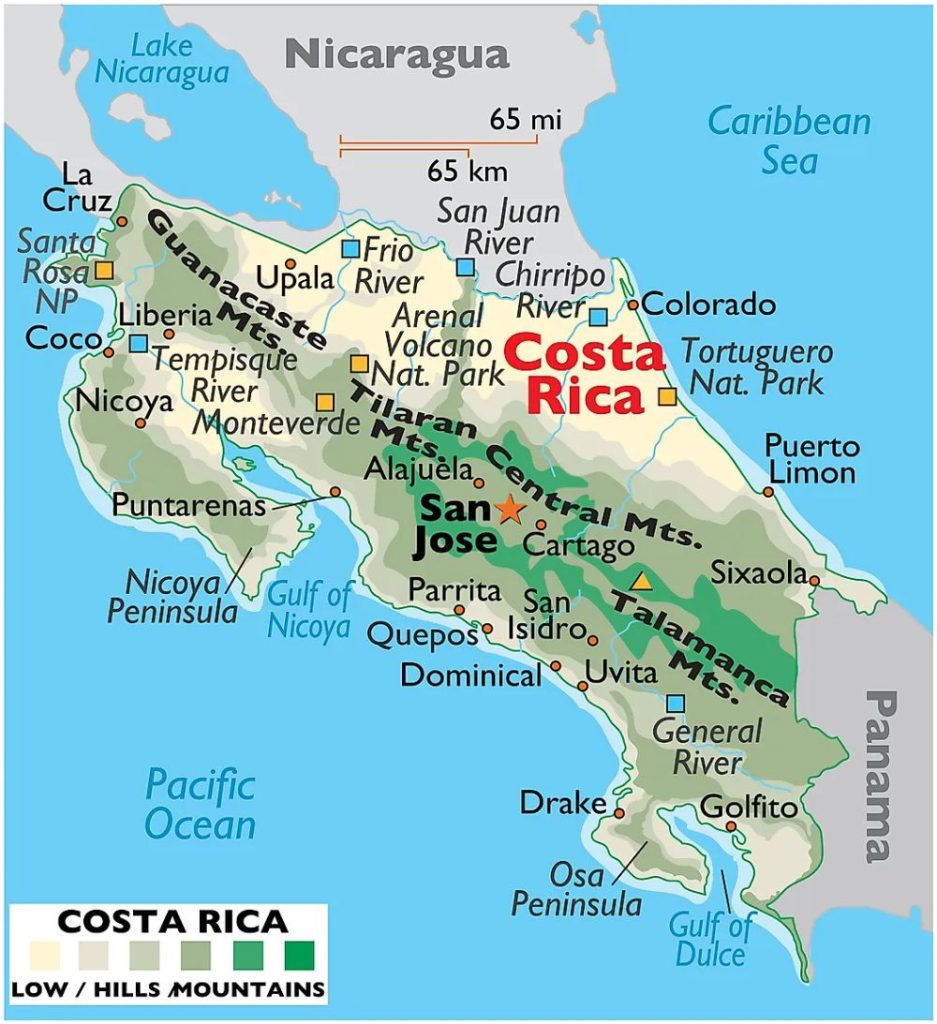
Reliable, cost-effective, and professionally coordinated logistics solutions by Velotac Logistics from Costa Rica to the United States.
Velotac Logistics provides door-to-door freight services from major Costa Rica ports to destinations across the USA, including ocean freight, air freight, customs clearance, warehousing, drayage, and final delivery.
Supported by strong carrier partnerships and integrated U.S. logistics networks, we ensure stable transit times, secure cargo handling, and flexible shipping solutions tailored to global supply chain needs.
Your Logistics Needs, Our Expertise.
Building a Resilient Supply Chain Through Partnership.
Why Choose Velotaclogistics
Worldwide Port Coverage Overview
🚢 Major Caribbean Ports
Puerto Limón
Moín Container Terminal
🚢 Major Pacific Ports
Puerto Caldera
🚢 Regional / Tourist Ports
Puerto Puntarenas
Puerto Golfito
Puerto Quepos
SERVICE TIERS
Transportation Service Categories

Fast and reliable air freight service with 2–7 days transit time from Costa Rica to the United States. We work with DHL, FedEx, and UPS to ensure stable and efficient international delivery.
Ideal for e-commerce parcels, commercial samples, and time-sensitive cargo requiring fast customs clearance and secure delivery between Costa Rica and the USA.
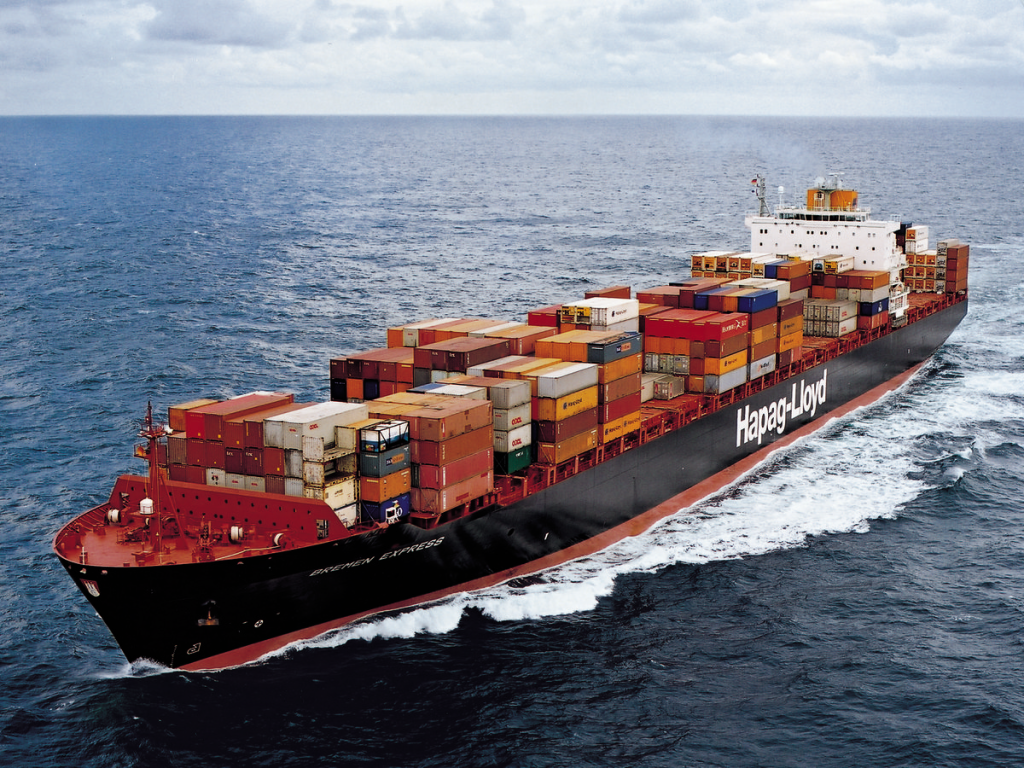
Cost-effective and stable ocean freight service for bulk cargo shipping from China to the United States.
Ideal for businesses seeking lower shipping costs, reliable container transport, and full customs clearance support for international ocean shipments.
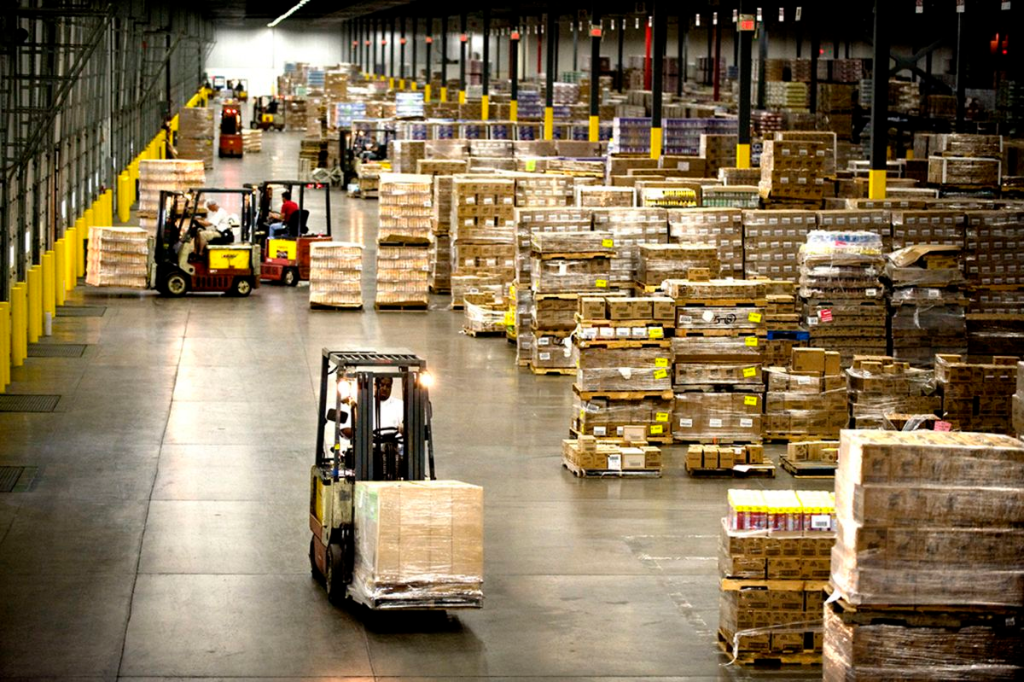
Flexible and secure warehousing solutions designed to support global supply chain operations and cross-border logistics efficiency.
Ideal for businesses requiring efficient inventory control, faster order processing, and seamless integration with international shipping and last-mile delivery operations.
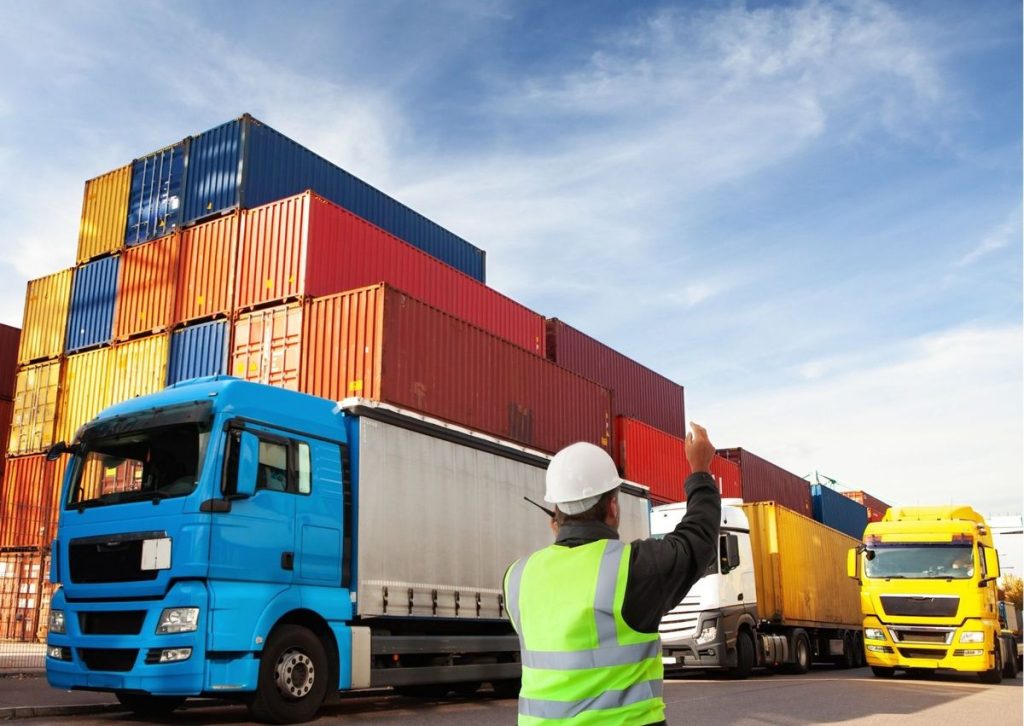
Reliable short-distance container transport service connecting ports, rail yards, and warehouses across the United States.
Ideal for fast container pickup after customs clearance, ensuring smooth port release, reduced detention time, and efficient inland delivery across the USA.
OPERATIONAL EXCELLENCE
Our Shipping Process
Provide shipment details including weight/volume and routing preferences. We confirm optimal carriers and schedules to ensure lead-time stability.
Cargo is transferred onto contracted flights. We monitor real-time schedules and provide milestone updates throughout the transit phase.
Cargo is collected or received at Velotaclogistics hubs. Our team performs measurement, repacking, and precise labeling while preparing export documentation.
Arrival at U.S. hubs (LAX/SFO/ORD). Bonded handling and coordinated clearance through licensed brokers precede pallet breakdown.
Compliant export filing for all express and special-line shipments, managed through standardized digital workflows to prevent origin delays.
Seamless transition to last-mile carriers. Full visibility remains active from initial pickup to the final milestone at destination.
Costa Rica’s banana exports often come from multiple plantations with different certification systems and documentation formats. Customs and buyers may require unified traceability records to verify origin compliance. Warehouses consolidate shipments, reconcile farm codes, and standardize export documents before dispatch. Without harmonization, shipments may face inspection delays or certification verification requests. Proper documentation alignment ensures smooth clearance into the United States and maintains compliance with agricultural import standards.
Pineapple exports require strict temperature control from packing to export. If cold-chain inconsistencies are detected, warehouse teams review temperature logs and assess product condition. Depending on severity, cargo may be re-cooled, repackaged, or rejected. Proper monitoring is essential to maintain freshness and meet U.S. phytosanitary and food safety requirements. Inaccurate temperature control can lead to inspection delays or partial shipment rejection at destination ports.
Yes. Medical devices shipped from Costa Rica require FDA registration, product classification, and compliance documentation. If records are incomplete, customs may hold shipments for verification. Warehouses assist by checking labeling, serial numbers, and supporting documentation before export. Proper preparation ensures regulatory compliance and prevents delays during U.S. import clearance for healthcare-related products.
Coffee exports often involve multiple cooperatives combining harvests into a single shipment. Warehouses play a key role in separating batches, maintaining traceability, and ensuring quality grading consistency. Without proper separation, certification disputes may occur. Standardized documentation and inventory control ensure each cooperative’s contribution is accurately represented during customs inspection and buyer verification in the United States.
Different agricultural products may carry varying pesticide residue certifications depending on crop type and farm practices. When mixed improperly, customs authorities may request additional testing or documentation. Warehouses separate cargo by certification type and ensure labeling consistency before export. This reduces inspection risks and helps ensure compliance with U.S. agricultural import safety standards.
Yes. Costa Rica’s tropical climate can cause packaging softening, moisture absorption, or mold development. Warehouse inspections identify structural weaknesses before export. If issues are found, goods may be repackaged or reinforced using moisture-resistant materials. Proper inspection reduces risk of product damage during long-distance transport and ensures compliance with U.S. import quality expectations.
Electronics transported through humid rainforest regions require protective packaging and environmental control. Warehouses use desiccants, anti-static materials, and sealed containers to reduce moisture exposure. Pre-shipment inspections ensure devices remain dry and operational. These precautions help prevent corrosion and ensure successful delivery through air or ocean freight to the United States.
Farm-level invoices may use local measurement units that differ from international standards. Logistics providers convert all data into standardized metric systems before export. Warehouses verify quantities and ensure consistency between invoices and physical cargo. This prevents customs confusion and ensures accurate duty calculations during U.S. import processing.
Yes. Costa Rica’s agricultural exports often originate from remote plantations. Trucking services collect goods and transport them to centralized warehouses for inspection and consolidation. Proper coordination ensures cargo is accurately documented and prepared for export. This system supports efficient integration into air or sea freight networks for shipment to the United States.
Perishable vegetables require continuous refrigeration. If temporary failures occur, warehouses assess temperature exposure and product viability. Depending on conditions, cargo may be re-cooled, redirected, or rejected. Proper cold-chain monitoring ensures compliance with U.S. food safety standards. Temperature logs are essential for customs verification and importer acceptance.
Textiles and leather goods require different classification codes and material documentation. Warehouses separate products, verify material composition, and standardize labeling before export. Improper mixing can lead to customs reclassification or inspection delays. Proper handling ensures smoother clearance and accurate duty assessment in the United States.
Yes. Warehousing services allow temporary storage when U.S. buyers delay payment confirmation or shipment acceptance. Goods remain secure and fully traceable until release instructions are received. This flexibility helps exporters manage cash flow and inventory planning without disrupting logistics operations.
Agricultural machinery requires detailed dimensional data, weight distribution records, and sometimes special transport permits. Warehouses inspect equipment, prepare crating, and ensure labeling accuracy before export. Proper documentation reduces inspection delays and ensures safe handling during trucking and international freight transport.