
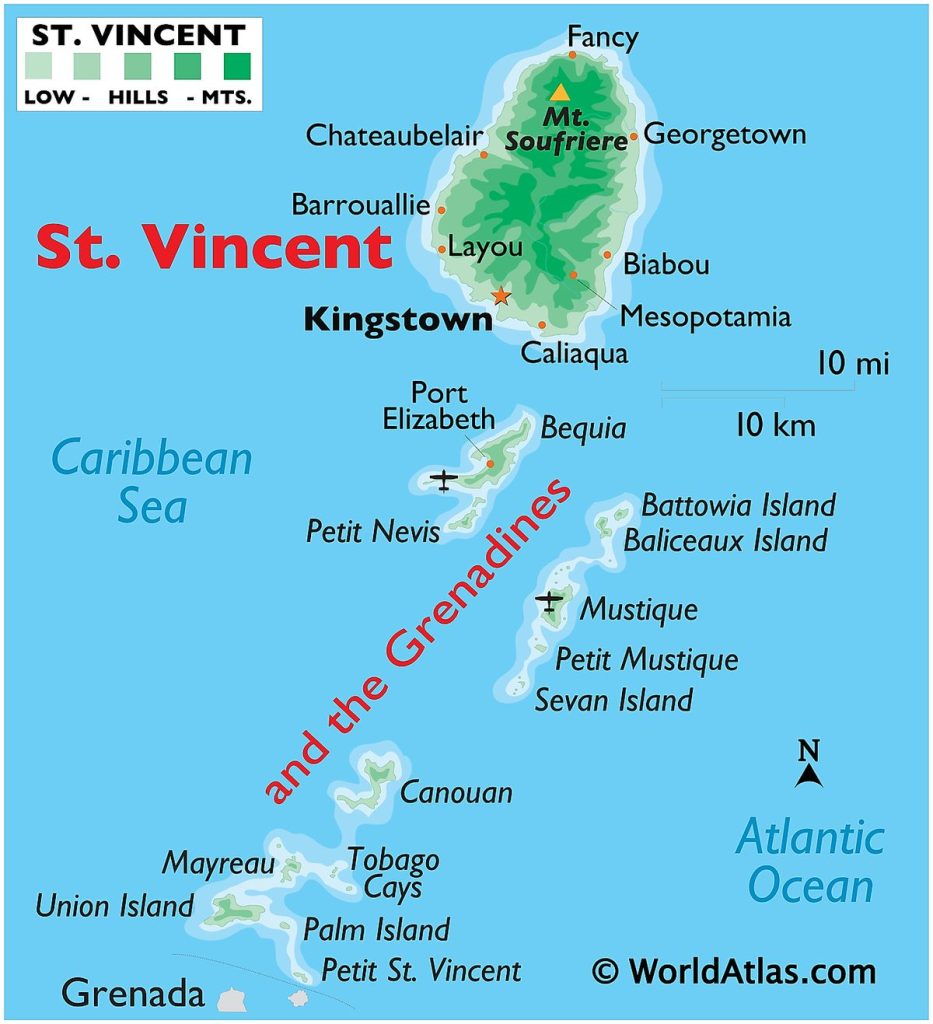
Reliable, cost-effective, and professionally coordinated logistics solutions by Velotac Logistics from St. Vincent and the Grenadines to the United States.
Velotac Logistics provides door-to-door freight services from major ports in St. Vincent and the Grenadines to destinations across the USA, including ocean freight, air freight, customs clearance, warehousing, drayage, and final delivery.
Supported by strong carrier partnerships and integrated U.S. logistics networks, we ensure stable transit times, secure cargo handling, and flexible shipping solutions tailored to global supply chain needs.
Your Logistics Needs, Our Expertise.
Building a Resilient Supply Chain Through Partnership.
Why Choose Velotaclogistics
Worldwide Port Coverage Overview
🚢 Main Commercial Port
Port Kingstown
🚢 Industrial Port
Campden Park Port
🚢 Yacht / Tourism Ports
Port Elizabeth (Bequia)
Canouan Port
🚢 Outer Island Ferry Port
Union Island Port
SERVICE TIERS
Transportation Service Categories

Fast and reliable air freight service from St. Vincent and the Grenadines to the USA with efficient transit times and professional cargo coordination.
Ideal for e-commerce shipments, commercial cargo, samples, and time-sensitive freight requiring fast customs clearance and stable delivery to the USA.
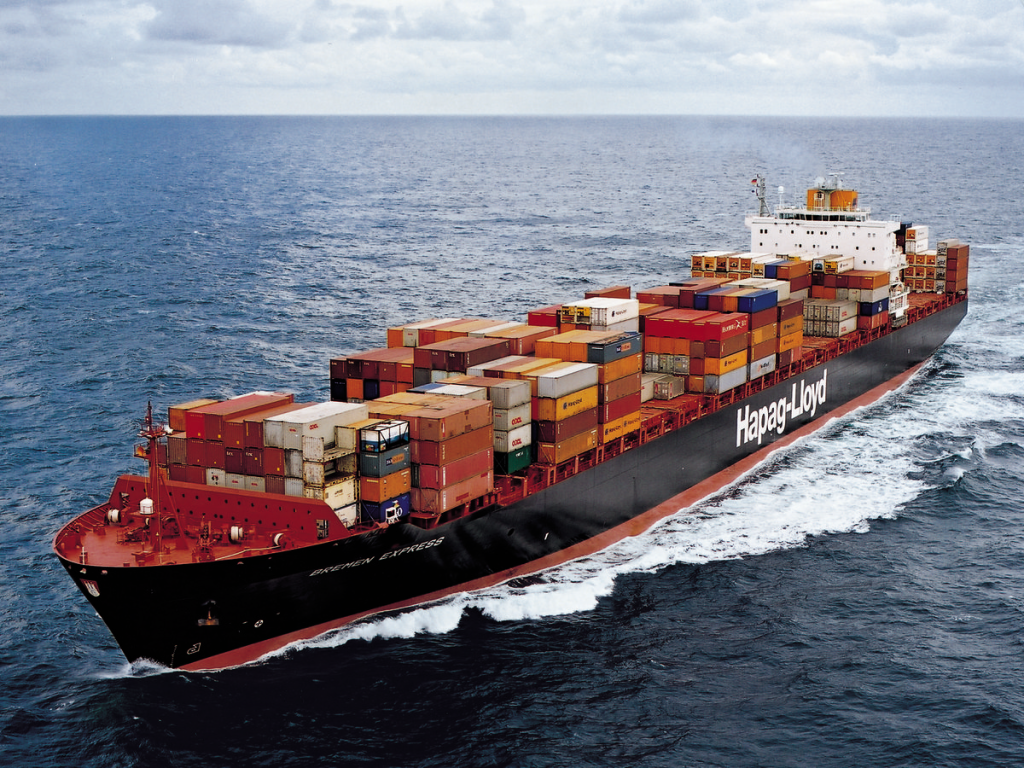
Cost-effective and reliable ocean freight service for cargo shipping from St. Vincent and the Grenadines to the USA.
Ideal for businesses seeking lower shipping costs, stable container schedules, professional customs clearance, and efficient cargo delivery to the United States.
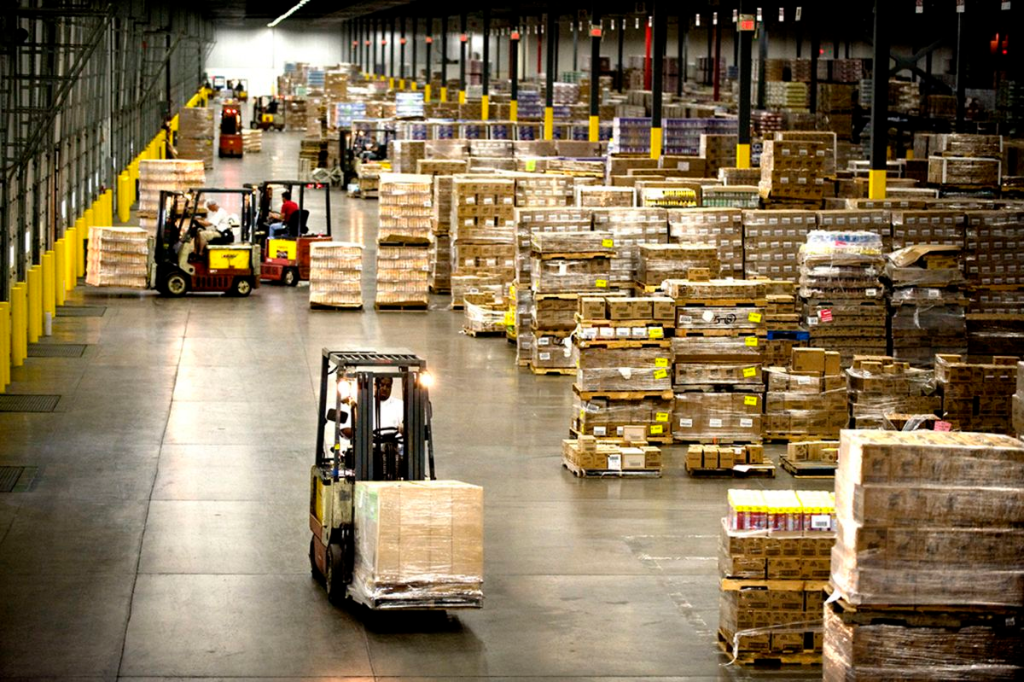
Flexible and secure warehousing solutions supporting global supply chain operations between St. Vincent and the Grenadines and the USA.
Ideal for businesses needing efficient inventory control, faster order processing, reduced shipping delays, and smoother international logistics operations.
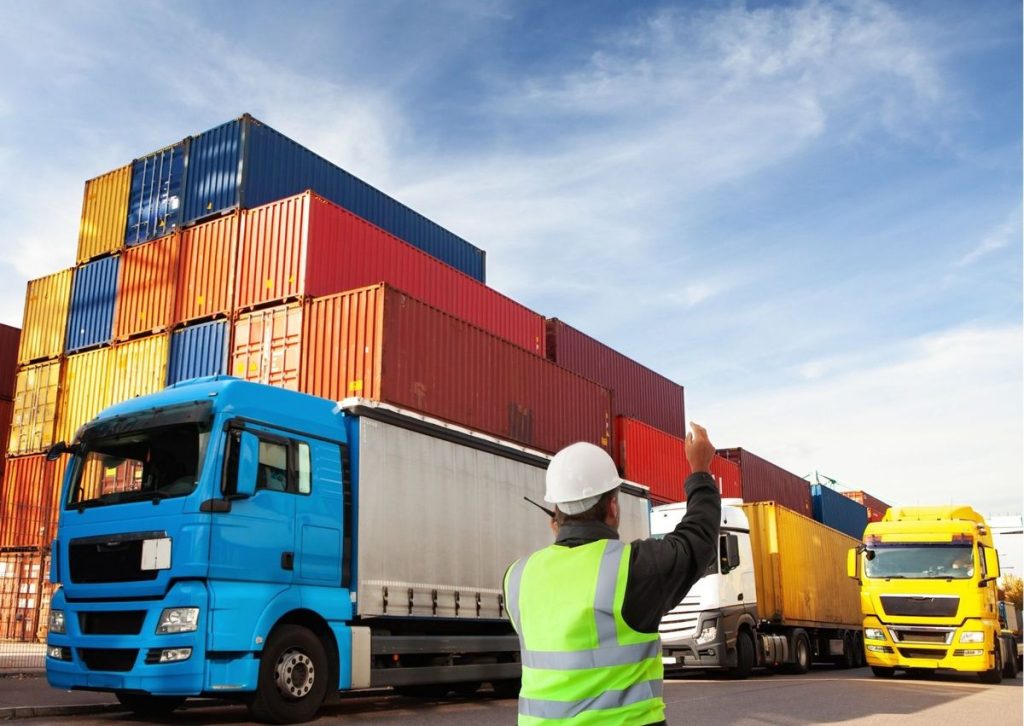
Reliable short-distance container transport connecting ports, rail yards, and warehouses across the United States after ocean freight arrival from St. Vincent and the Grenadines.
Ideal for moving containers quickly after ocean freight, ensuring smooth customs release, reduced port congestion delays, and efficient inland delivery across the USA.
OPERATIONAL EXCELLENCE
Our Shipping Process
Provide shipment details including weight/volume and routing preferences. We confirm optimal carriers and schedules to ensure lead-time stability.
Cargo is transferred onto contracted flights. We monitor real-time schedules and provide milestone updates throughout the transit phase.
Cargo is collected or received at Velotaclogistics hubs. Our team performs measurement, repacking, and precise labeling while preparing export documentation.
Arrival at U.S. hubs (LAX/SFO/ORD). Bonded handling and coordinated clearance through licensed brokers precede pallet breakdown.
Compliant export filing for all express and special-line shipments, managed through standardized digital workflows to prevent origin delays.
Seamless transition to last-mile carriers. Full visibility remains active from initial pickup to the final milestone at destination.
St. Vincent and the Grenadines rely heavily on ferry transport between multiple islands, and schedule disruptions are common due to weather or mechanical issues. When this happens, cargo movement between islands is paused and goods are stored in secured warehouse facilities. Logistics teams re-coordinate trucking, loading sequences, and consolidation plans once ferry operations resume. All cargo is tracked using updated manifests to avoid loss or misplacement. This system ensures shipments remain compliant and properly documented before being forwarded to air or ocean freight for export to the United States.
Agricultural exports such as fruits, vegetables, and root crops require valid phytosanitary certificates issued close to shipment time. If documents are outdated or incomplete, U.S. customs may require re-inspection or hold the cargo for verification. Warehouses cross-check certificates with actual cargo conditions, packaging, and origin records before export. Any mismatch must be corrected before departure. This process ensures compliance with U.S. agricultural import safety regulations and prevents rejection or extended inspection delays at destination ports.
Yes, agricultural goods grown in volcanic soil areas may require specific origin and cultivation descriptions. If labeling is inconsistent or incomplete, customs authorities may request clarification on product origin and classification. Warehouses standardize all agricultural product descriptions, align them with export certificates, and ensure traceability documentation matches physical shipments. This reduces classification disputes and helps maintain smooth clearance when goods enter the United States agricultural import system.
Seafood exports must comply with strict temperature, hygiene, and species classification rules under U.S. FDA regulations. When multiple seafood types are mixed without proper separation, inspection delays or partial rejection may occur. Warehouses sort seafood by species, verify cold-chain logs, and ensure packaging is labeled correctly before export. This structured handling reduces contamination risks and ensures each category meets import compliance standards required by U.S. authorities.
Rum exports require detailed aging records, batch numbers, and production documentation. If inconsistencies appear between invoices, labels, and aging records, customs may question product authenticity or apply additional valuation checks. Warehouses verify production logs, reconcile labeling, and ensure documentation consistency before shipment. This prevents compliance issues and supports smooth entry into U.S. alcohol import channels without unnecessary inspection delays or duty reassessment.
Yes, warehouse inspections in St. Vincent and the Grenadines frequently identify humidity-related risks due to tropical climate conditions. High moisture levels can cause mold growth, carton weakening, or metal corrosion. Inspection teams evaluate packaging integrity, check moisture levels, and recommend repackaging or protective treatment when necessary. These preventive actions ensure cargo remains stable and compliant during long-distance air or sea transport to the United States.
Electronics transported across mountainous regions face vibration, humidity variation, and temperature changes. Warehouses use anti-static materials, reinforced packaging, and moisture barriers to protect sensitive devices. Cargo is inspected before dispatch to confirm proper sealing and shock protection. These precautions reduce the risk of damage during trucking, ferry transfer, and international freight movement toward U.S. destinations.
Local suppliers sometimes use informal measurement units for agricultural or artisanal goods. Logistics providers convert all data into standardized metric units before export documentation is finalized. Warehouses verify actual quantities against invoices and ensure consistency across packing lists and customs declarations. This prevents classification confusion and ensures accurate duty calculation during U.S. import processing procedures.
Yes, logistics operations in St. Vincent and the Grenadines rely on combined ferry and trucking coordination to collect cargo from remote islands. Goods are first transported via ferry to central hubs, then moved by truck to consolidation warehouses. This process ensures proper documentation, inspection, and tracking before export. It allows small island producers to participate in international trade without direct access to major ports or airports.
Perishable fruits require uninterrupted cold-chain management to maintain freshness. If refrigeration systems fail or temperature deviations occur, warehouses immediately assess exposure time and product condition. Depending on severity, cargo may be re-cooled, repacked, or removed from export eligibility. Temperature logs are reviewed to ensure compliance with U.S. food safety regulations before shipment continues to avoid rejection at destination.
Lorem ipsum dolor sit amet, consectetur adipisicing elit, sed do eiusmod tempor incididunt ut labore et dolore magna aliqua. Ut enim ad minim veniam, quis nostrud exercitation ullamco laboris nisi ut aliquip ex ea commodo consequat.
Processed foods and raw agricultural products follow different classification rules and safety standards. When mixed incorrectly, customs may require additional inspection or documentation separation. Warehouses separate cargo types, verify labeling accuracy, and align documentation before export. This structured approach ensures compliance with U.S. import regulations and reduces clearance delays or inspection risks.
Yes, warehousing services allow temporary storage when U.S. buyers delay payment confirmation or shipment approval. Goods remain securely stored under tracking systems until release instructions are received. This prevents forced shipment timing issues and helps exporters manage inventory flow and cash cycles without disrupting logistics operations or incurring unnecessary transport costs.
Oversized machinery requires detailed documentation including weight, dimensions, and technical specifications. Warehouses inspect equipment, prepare reinforced crating, and ensure proper labeling before export. Logistics teams coordinate transport requirements for safe handling during trucking and international freight movement. This preparation reduces inspection risks and ensures compliance with U.S. customs entry procedures for heavy industrial cargo.
Conflicting origin data can trigger customs verification or agricultural inspection delays. Warehouses reconcile supplier records, verify origin certificates, and correct inconsistencies before export departure. Accurate traceability is essential for compliance with U.S. import regulations, especially for agricultural and food-related shipments. This ensures smooth clearance and prevents unnecessary cargo holds at destination ports.