
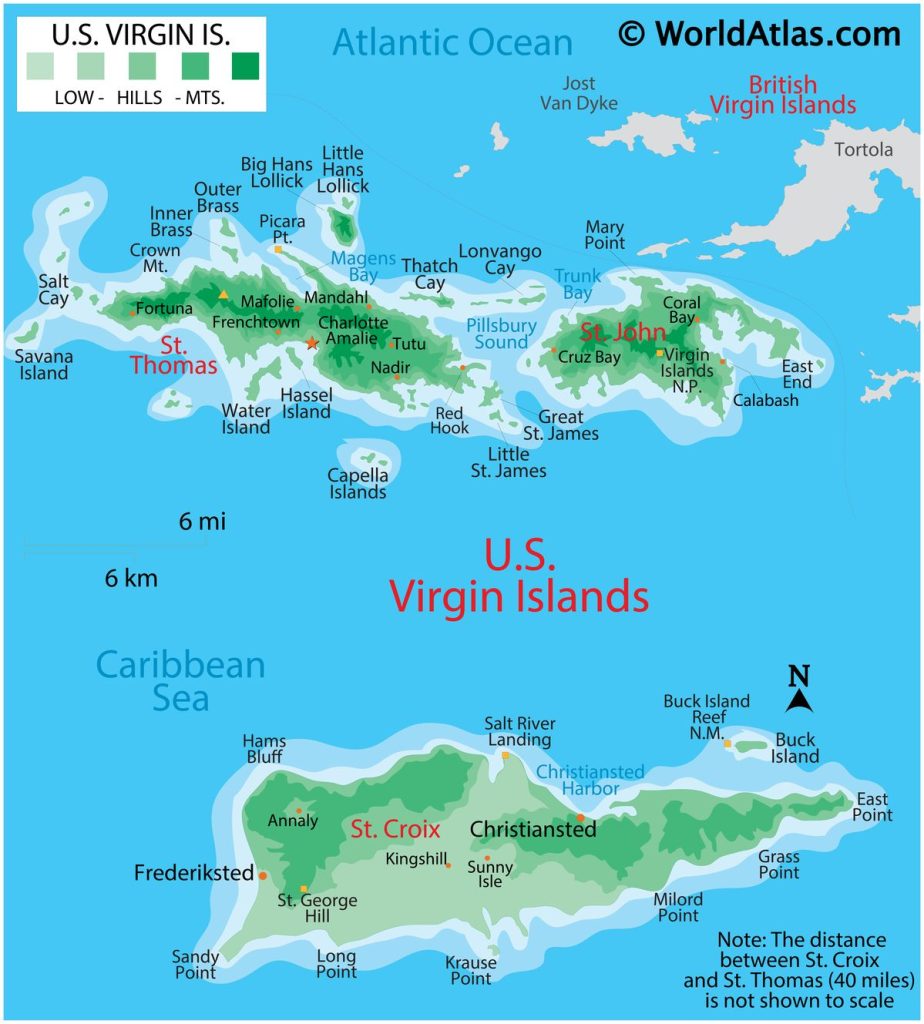
Reliable, cost-effective, and professionally coordinated logistics solutions by Velotac Logistics from the U.S. Virgin Islands to the United States.
Velotac Logistics provides door-to-door freight services from major ports in the U.S. Virgin Islands to destinations across the USA, including ocean freight, air freight, customs clearance, warehousing, drayage, and final delivery.
Supported by strong carrier partnerships and integrated U.S. logistics networks, we ensure stable transit times, secure cargo handling, and flexible shipping solutions tailored to global supply chain needs.
Your Logistics Needs, Our Expertise.
Building a Resilient Supply Chain Through Partnership.

Why Choose Velotaclogistics
Worldwide Port Coverage Overview
🚢 Commercial / Container Port
Crown Bay Port
🚢 Cruise Port
Havensight Pier (WICO Dock)
🚢 Logistics Port
Cyril E. King Port Area
🚢 Ferry Port
Red Hook Ferry Terminal
🚢 Industrial Port
Port of St. Croix
SERVICE TIERS
Transportation Service Categories

Fast and reliable air freight service with 1–5 days transit time from U.S. Virgin Island to USA. We work with DHL, FedEx, and UPS to ensure stable and efficient delivery.
Ideal for e-commerce, samples, and time-sensitive cargo requiring fast customs clearance and stable domestic delivery.
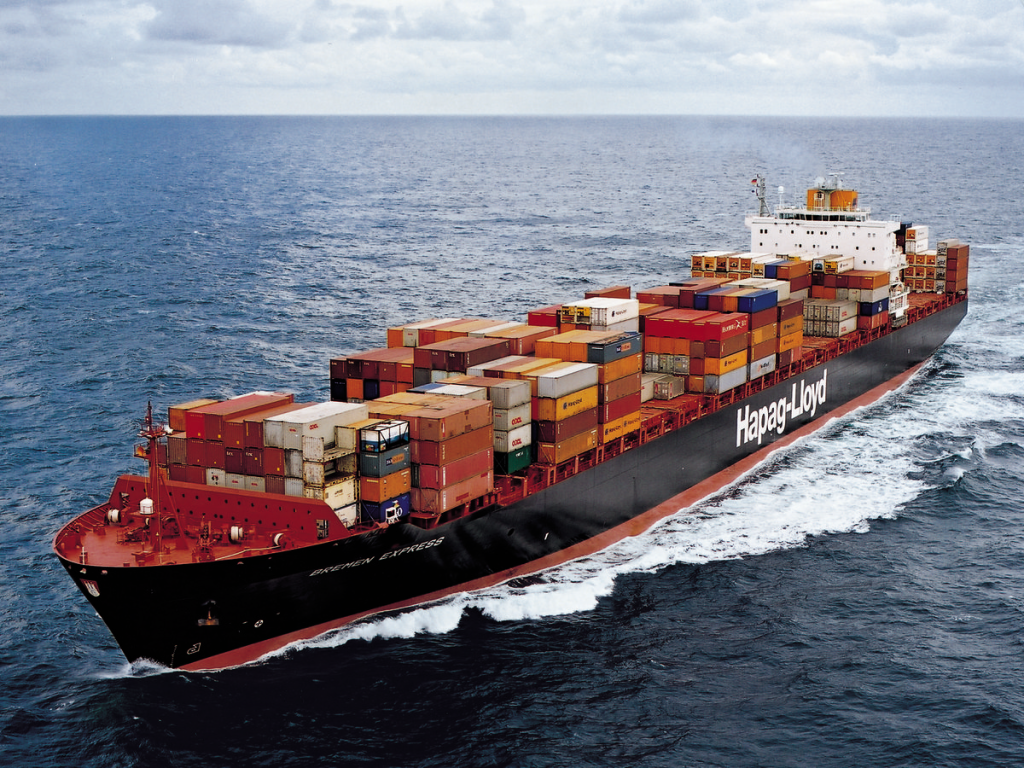
Cost-effective and stable ocean freight service for bulk cargo shipping from U.S. Virgin Island to USA.
Ideal for businesses seeking lower shipping costs with reliable container shipping and full customs support.
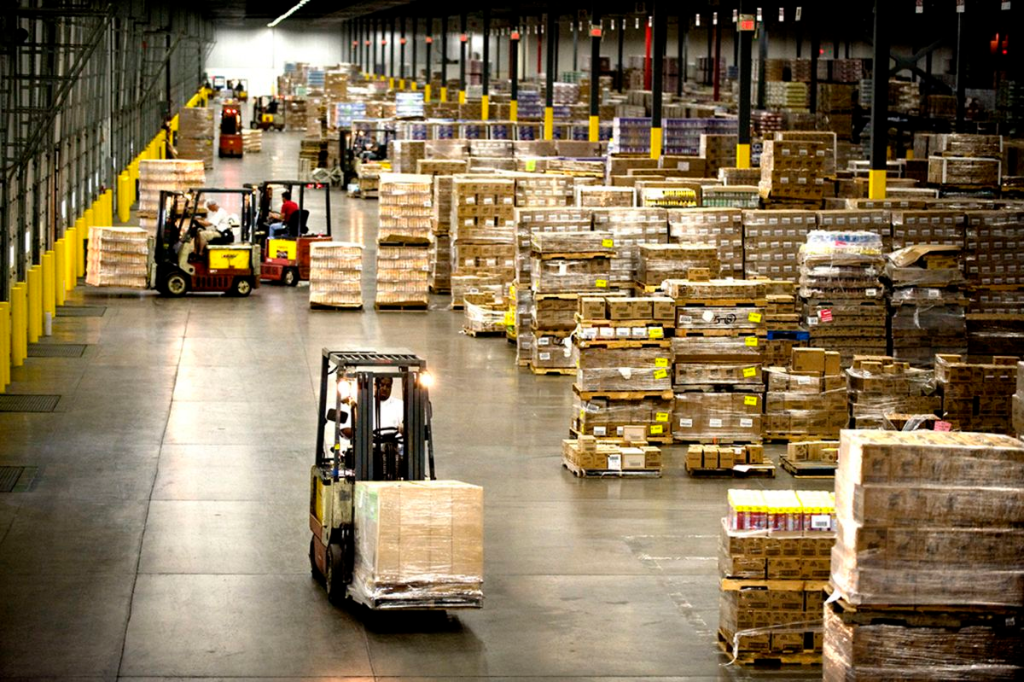
Flexible and secure warehousing solutions to support your global supply chain.
Ideal for businesses needing efficient storage, faster order processing, and smoother domestic shipping operations.
Reliable short-distance container transport connecting ports, rail yards, and warehouses across the United States.
Ideal for moving containers quickly after ocean freight to ensure smooth customs release and efficient inland delivery.
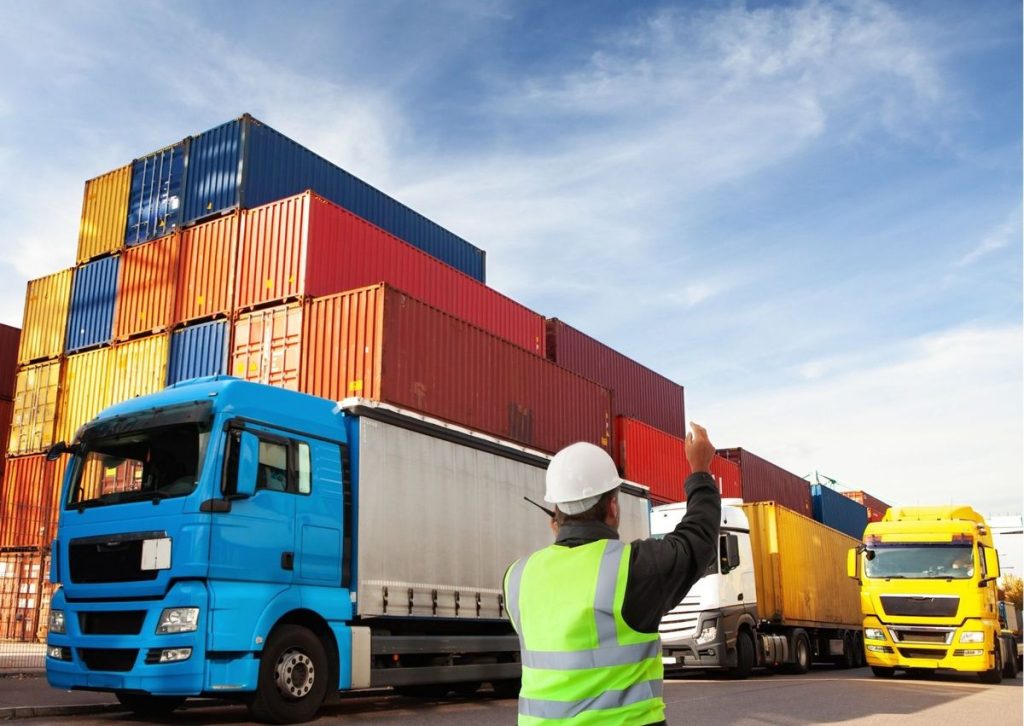
OPERATIONAL EXCELLENCE
Our Shipping Process
Provide shipment details including weight/volume and routing preferences. We confirm optimal carriers and schedules to ensure lead-time stability.
Cargo is transferred onto contracted flights. We monitor real-time schedules and provide milestone updates throughout the transit phase.
Cargo is collected or received at Velotaclogistics hubs. Our team performs measurement, repacking, and precise labeling while preparing export documentation.
Arrival at U.S. hubs (LAX/SFO/ORD). Bonded handling and coordinated clearance through licensed brokers precede pallet breakdown.
Compliant export filing for all express and special-line shipments, managed through standardized digital workflows to prevent origin delays.
Seamless transition to last-mile carriers. Full visibility remains active from initial pickup to the final milestone at destination.
Shipments from the U.S. Virgin Islands to the U.S. mainland are governed by the Jones Act, requiring transport via U.S.-flagged vessels. This regulation restricts carrier options and can create scheduling constraints during high-demand periods. Logistics providers must carefully coordinate vessel bookings, port handling, and inland trucking connections. Warehouses prepare documentation that clearly identifies shipments as domestic movements under U.S. law. This prevents misclassification as international freight and ensures compliance with federal maritime transportation requirements while maintaining smooth cargo flow into mainland distribution networks.
A frequent issue occurs when USVI shipments are mistakenly classified as international imports. This can trigger unnecessary customs inspections, duty evaluations, or administrative delays at U.S. mainland ports. Logistics providers correct this by standardizing documentation to reflect domestic territorial shipping status. Warehouses verify invoices, shipping labels, and carrier manifests before dispatch. Proper classification ensures cargo moves through domestic logistics channels without being subjected to import clearance procedures, reducing delays and avoiding regulatory confusion during mainland entry processing.
Yes, ferry delays between St. Thomas, St. Croix, and St. John can significantly affect cargo consolidation schedules. When ferry services are delayed, shipments may arrive at warehouses at different times, requiring temporary storage and revised consolidation planning. Logistics teams adjust trucking coordination, intake scheduling, and inventory tracking to ensure accuracy. Warehouses maintain secure holding systems until all cargo components arrive. Once fully consolidated, shipments are re-verified, documented, and prepared for onward transport to U.S. mainland destinations without data or inventory loss.
Retail shipments from the USVI often include mixed categories such as apparel, electronics, cosmetics, and souvenir goods. Without proper sorting, distribution errors can occur in U.S. warehouses. Logistics providers separate inventory by SKU, product type, and destination requirement before export. Warehouses standardize labeling, packing lists, and documentation to ensure accuracy. This structured process prevents misrouting, reduces fulfillment errors, and supports efficient downstream distribution across U.S. retail and wholesale networks, improving supply chain reliability and inventory visibility.
Duty-free goods from USVI retail zones must still comply with U.S. mainland classification and documentation rules. If paperwork is incomplete or inconsistent, customs may request verification of pricing, product eligibility, or classification category. Warehouses standardize invoices, confirm product details, and ensure documentation consistency before export. This prevents misclassification, reduces inspection delays, and avoids unnecessary reassessment of duties when goods enter U.S. mainland distribution systems.
Yes, salt-air exposure in coastal environments can cause corrosion, oxidation, and packaging degradation, especially for electronics and metal-based products. Warehouse inspections identify early signs of moisture damage, weakened packaging, or surface corrosion. If issues are detected, goods may be repackaged, sealed with protective materials, or transferred to controlled storage environments. These preventive measures ensure cargo remains stable and compliant during air or ocean transport to U.S. mainland destinations, reducing risk of product failure upon arrival.
Medical shipments require strict priority handling due to their critical role in healthcare operations. Logistics providers implement expedited documentation processing, immediate warehouse handling, and priority carrier booking. Warehouses ensure compliance with medical labeling, packaging, and handling standards before dispatch. This coordinated system allows urgent medical supplies to move efficiently from the USVI to U.S. mainland hospitals or distributors without administrative delays, ensuring continuity in healthcare supply chains and reducing risk of operational disruption.
Inconsistent address formatting across invoices, labels, and carrier documents can lead to routing errors within U.S. domestic logistics systems. Logistics providers standardize all address data before shipment departure. Warehouses verify consistency across documentation to ensure correct delivery routing. This prevents misdelivery, reduces administrative delays, and ensures cargo flows smoothly through mainland distribution networks without unnecessary handling errors or shipment misplacement during transit.
Yes, trucking services play a critical role in moving cargo between suppliers, warehouses, and port facilities within the U.S. Virgin Islands. Despite the small geographic size, logistical coordination is required due to limited infrastructure and port capacity. Logistics providers optimize pickup schedules, loading windows, and route planning to ensure timely transfer to consolidation points. This internal transportation system ensures cargo is properly prepared for export to U.S. mainland destinations.
Perishable shipments rely on continuous cold-chain control to maintain product integrity. If refrigeration systems fail, warehouses immediately assess temperature exposure duration and product condition. Depending on severity, goods may be re-cooled, repackaged, or deemed unsuitable for export. Temperature logs are reviewed to ensure compliance with U.S. food safety regulations. This process ensures only safe and compliant products proceed to mainland distribution channels, preventing rejection or spoilage during transit.