
Reliable, cost-effective, and professionally coordinated logistics solutions by Velotac Logistics from China to the United States.
Velotac Logistics provides door-to-door freight services from major China ports to destinations across the USA, including ocean freight, air freight, customs clearance, warehousing, drayage, and final delivery.
Supported by strong carrier partnerships and integrated U.S. logistics networks, we ensure stable transit times, secure cargo handling, and flexible shipping solutions tailored to global supply chain needs.
Your Logistics Needs, Our Expertise.
Building a Resilient Supply Chain Through Partnership.
Why Choose Velotaclogistics
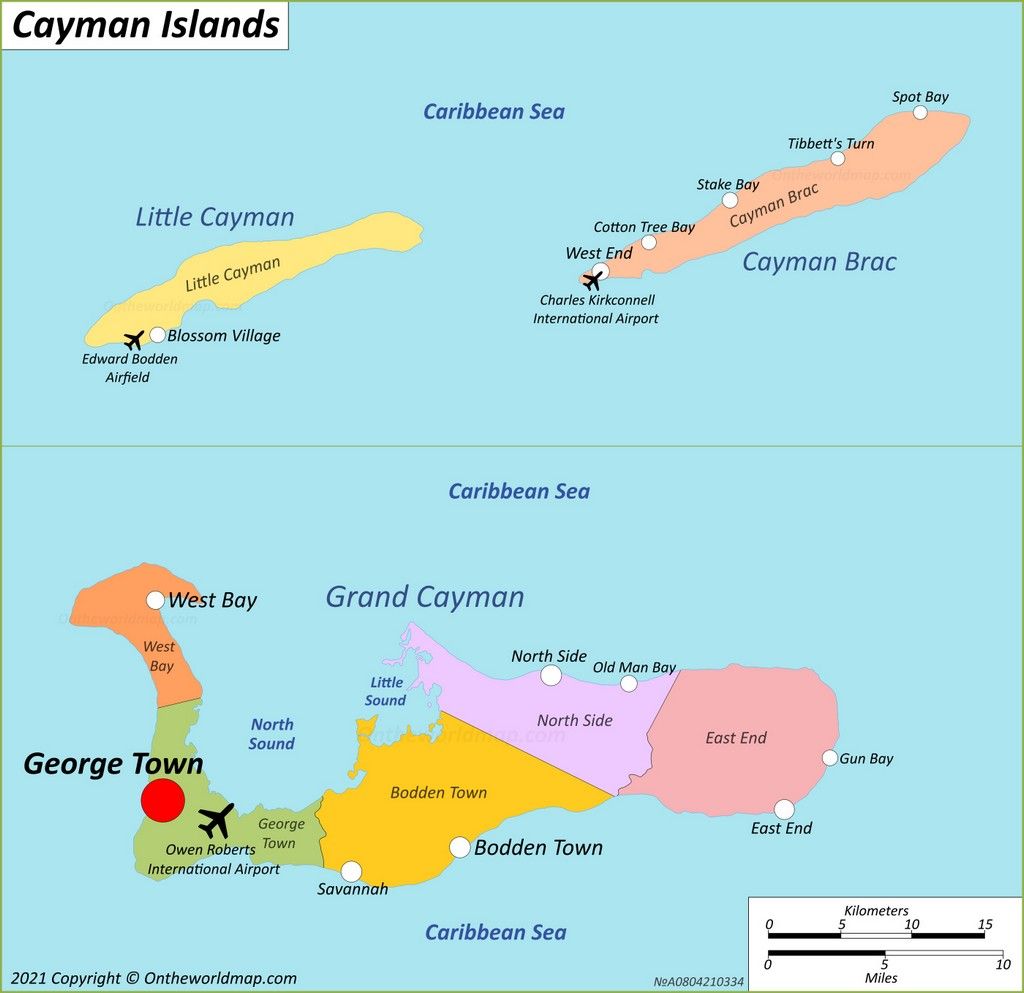
Worldwide Port Coverage Overview
🚢 Commercial / Cruise Port
Port of George Town
🚢 Cargo Port
Spotts Dock
🚢 Outer Island Ports
Cayman Brac Port
Little Cayman Dock
🚢 Yacht Harbors
North Sound Marina Area
SERVICE TIERS
Transportation Service Categories

Reliable air freight service with 1–3 days transit time from Cayman Islands to the USA. Direct and connecting flights are available through major regional and international airlines for fast cargo movement.
Ideal for time-sensitive shipments requiring fast customs processing, secure handling, and efficient delivery from the Cayman Islands to the United States.
Reliable ocean freight service from Cayman Islands to the USA for commercial cargo, personal effects, vehicles, and container shipments.
Ideal for cost-effective cargo transportation with stable sailing schedules, customs support, and flexible container shipping solutions from the Cayman Islands to the United States.
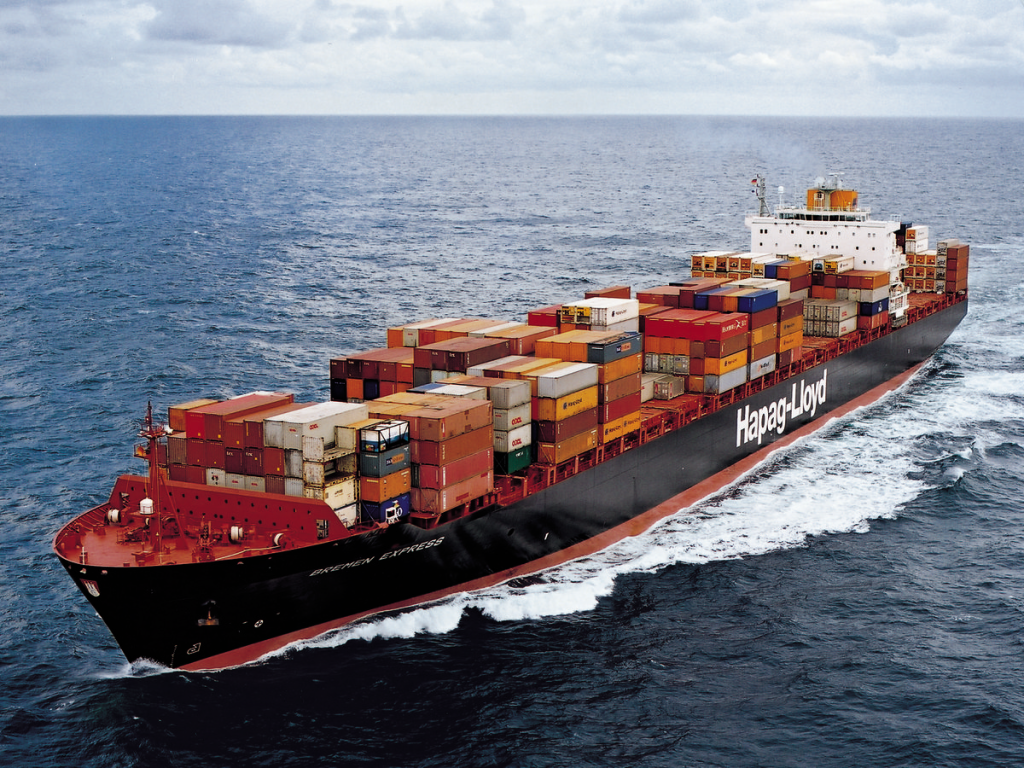
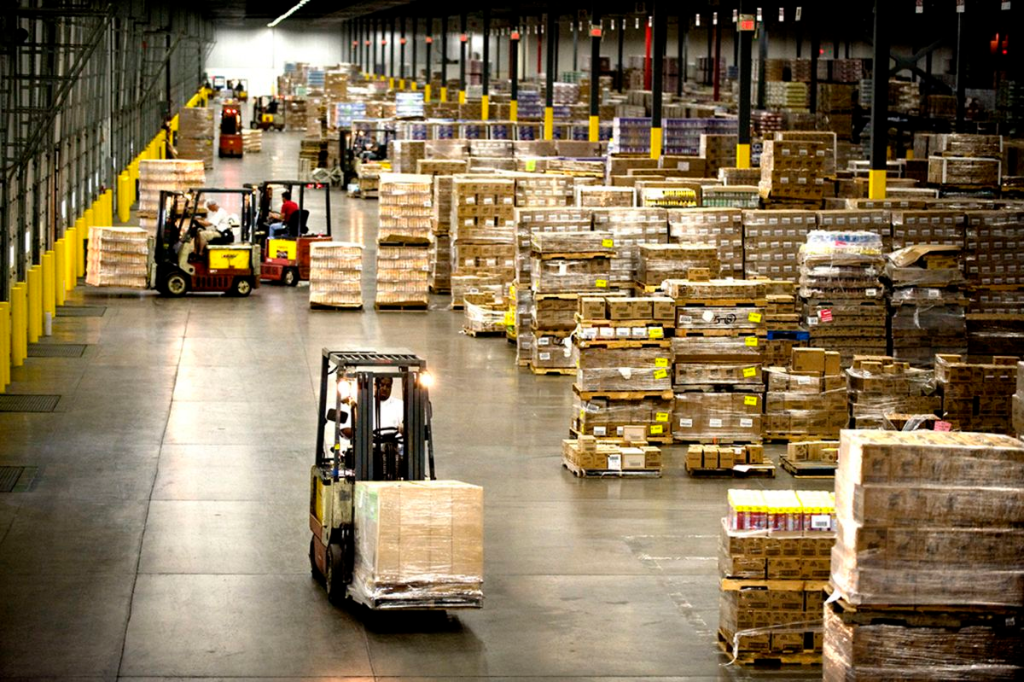
Flexible and secure warehousing solutions supporting international supply chain operations from China to the USA.
Ideal for businesses requiring efficient cargo storage, faster order processing, and optimized global shipping workflows.
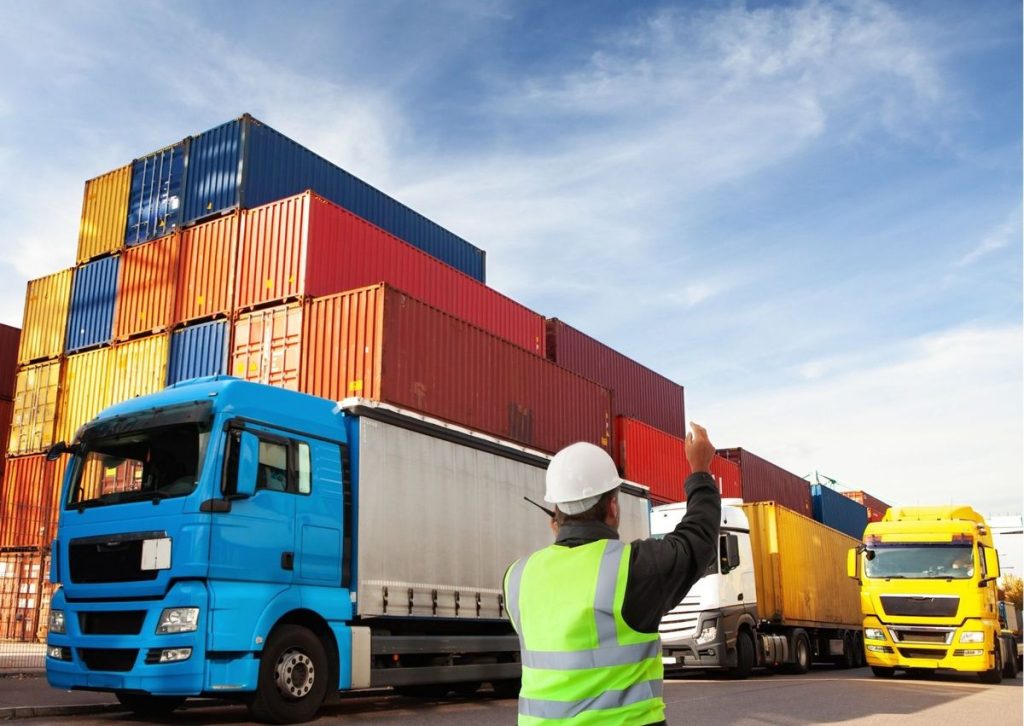
Reliable short-distance container transport connecting ports, rail terminals, and warehouses across the United States after ocean freight arrival.
Ideal for efficient container pickup after customs clearance, ensuring smooth port release, reduced dwell time, and fast inland delivery to warehouses or distribution centers.
OPERATIONAL EXCELLENCE
Our Shipping Process
Provide shipment details including weight/volume and routing preferences. We confirm optimal carriers and schedules to ensure lead-time stability.
Cargo is transferred onto contracted flights. We monitor real-time schedules and provide milestone updates throughout the transit phase.
Cargo is collected or received at Velotaclogistics hubs. Our team performs measurement, repacking, and precise labeling while preparing export documentation.
Arrival at U.S. hubs (LAX/SFO/ORD). Bonded handling and coordinated clearance through licensed brokers precede pallet breakdown.
Compliant export filing for all express and special-line shipments, managed through standardized digital workflows to prevent origin delays.
Seamless transition to last-mile carriers. Full visibility remains active from initial pickup to the final milestone at destination.
The Cayman Islands have limited port infrastructure, and cargo space can become saturated during peak tourism seasons or cruise ship arrivals. When this happens, shipments may be temporarily held in bonded or commercial warehouses until port capacity is available. Logistics providers coordinate vessel scheduling, trucking intake, and consolidation sequencing to avoid congestion. Warehouses maintain strict inventory tracking to ensure no cargo loss or misplacement during storage. Once space is available, shipments are re-checked and prepared for export processing to the United States mainland.
The Cayman Islands have limited port infrastructure, and cargo space can become saturated during peak tourism seasons or cruise ship arrivals. When this happens, shipments may be temporarily held in bonded or commercial warehouses until port capacity is available. Logistics providers coordinate vessel scheduling, trucking intake, and consolidation sequencing to avoid congestion. Warehouses maintain strict inventory tracking to ensure no cargo loss or misplacement during storage. Once space is available, shipments are re-checked and prepared for export processing to the United States mainland.
Yes, tropical storms frequently impact Cayman Islands air cargo operations. When storms occur, flights may be delayed or rerouted, and cargo is temporarily stored in secure warehouse facilities. Logistics providers adjust trucking schedules and coordinate updated flight bookings once conditions stabilize. Temperature-sensitive or high-value goods receive priority handling. Proper warehousing ensures cargo remains protected and fully traceable until export resumes toward U.S. destinations.
Luxury goods such as watches and jewelry require strict valuation, insurance documentation, and secure packaging. Warehouses perform inventory verification, seal cargo, and maintain chain-of-custody records. U.S. customs may request appraisal certificates or origin verification for high-value items. Any inconsistency in documentation can lead to delays or inspection holds. Proper handling ensures secure transport and compliant entry into U.S. luxury goods distribution channels.
The Cayman Islands often handle offshore legal and financial documentation shipments. These require strict confidentiality and proper chain-of-custody procedures. Warehouses ensure sealed packaging, verified manifests, and secure transport handling. If documentation is incomplete or improperly labeled, customs may require additional verification. Proper handling ensures compliance with both security and regulatory requirements during U.S. import processing.
Yes, salt-air exposure in island environments can cause corrosion on marine equipment, metal parts, and electronic components. Warehouse inspections identify oxidation, moisture damage, or structural weakening before export. If issues are found, goods may be cleaned, repackaged, or treated with anti-corrosion materials. These preventive measures ensure cargo maintains integrity during ocean or air transport to the United States.
Medical shipments are handled with priority due to their critical importance. Logistics providers accelerate documentation processing, warehouse handling, and carrier booking. Warehouses ensure compliance with healthcare packaging and labeling standards before export. This allows urgent medical goods to move quickly from the Cayman Islands to U.S. hospitals or distributors without unnecessary delays or administrative holds.
Offshore business structures may complicate customs verification if ownership or transaction details are unclear. U.S. customs may request additional documentation to verify legitimacy. Logistics providers standardize invoices and ensure transparency in cargo ownership records. Warehouses verify shipment details before export to prevent compliance delays and ensure smooth clearance into U.S. mainland supply chains.
Yes, trucking services in the Cayman Islands connect warehouses, business centers, and port facilities efficiently. Although distances are short, coordination is essential due to limited infrastructure and seasonal congestion. Logistics providers optimize pickup schedules and loading windows to ensure timely delivery to consolidation points. This internal transport system ensures cargo is ready for export processing to the United States.
Seafood exports require strict cold-chain management. If refrigeration systems fail, warehouses immediately assess temperature exposure and product condition. Depending on severity, goods may be re-cooled, repackaged, or rejected. Temperature logs are reviewed to ensure compliance with U.S. food safety standards. This ensures only safe, high-quality seafood proceeds to export channels.