
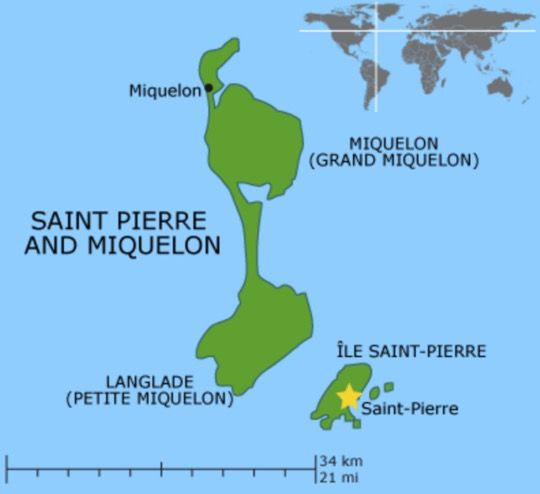
Reliable, cost-effective, and professionally coordinated logistics solutions for Shipping From Saint Pierre and Miquelon to the United States.
Velotac Logistics provides door-to-door freight services from Saint Pierre and Miquelon to destinations across the USA, including ocean freight, air freight, customs clearance, warehousing, drayage, and final delivery.
Supported by strong carrier partnerships and integrated U.S. logistics networks, we ensure stable transit times, secure cargo handling, and flexible shipping solutions tailored to global supply chain needs.
Your Logistics Needs, Our Expertise.
Building a Resilient Supply Chain Through Partnership.
Why Choose Velotaclogistics
Worldwide Port Coverage Overview
🚢 Main Commercial / Fishing Port
Port of Saint-Pierre
🚢 Local Port
Port of Miquelon
🚢 Small Auxiliary Port
Port de l’Île-aux-Marins
SERVICE TIERS
Transportation Service Categories

Reliable air freight service from Saint Pierre and Miquelon to the United States with efficient transit through Canada and major North American air hubs.
Suitable for lightweight cargo requiring stable transit, customs coordination, and fast final delivery.
Reliable air freight service from Saint Pierre and Miquelon to the United States with efficient transit through Canada and major North American air hubs.
Suitable for lightweight cargo requiring stable transit, customs coordination, and fast final delivery.
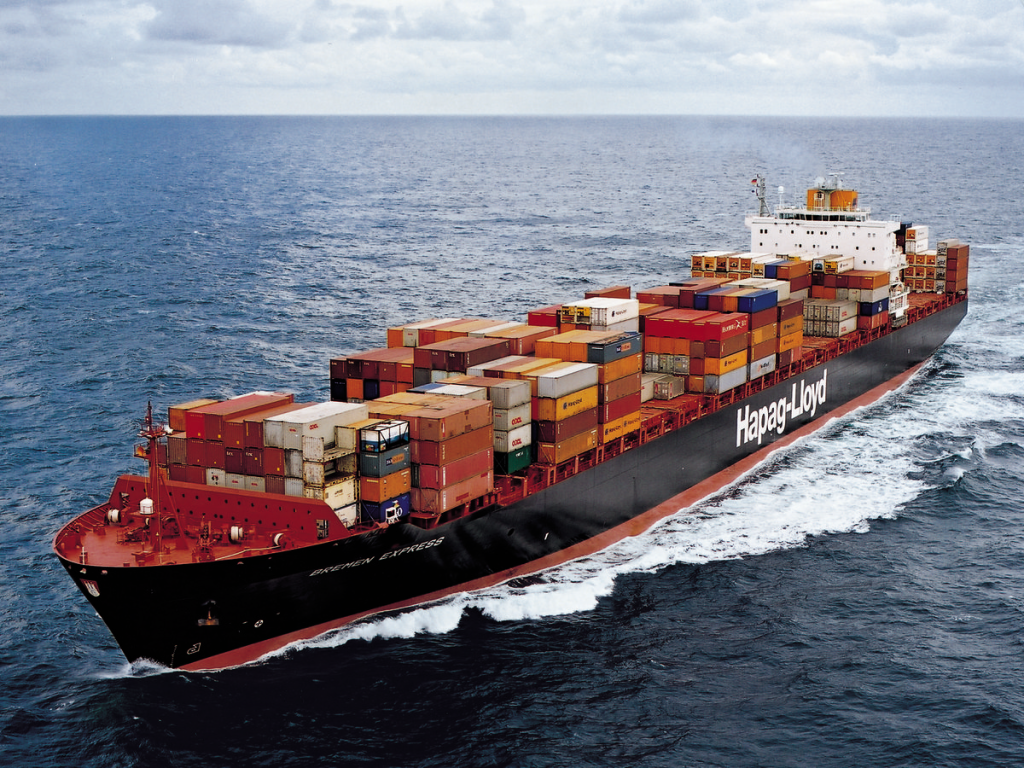
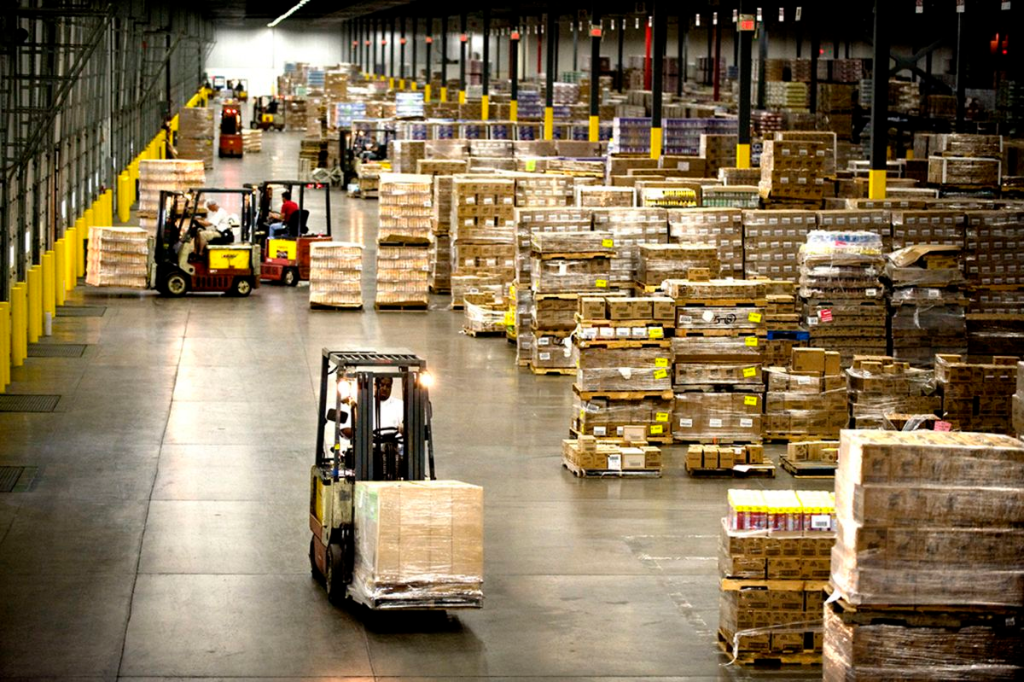
Flexible warehousing and cargo handling solutions supporting shipments from Saint Pierre and Miquelon to the United States.
Suitable for businesses requiring secure cargo storage, efficient shipment coordination, and smoother international logistics operations.
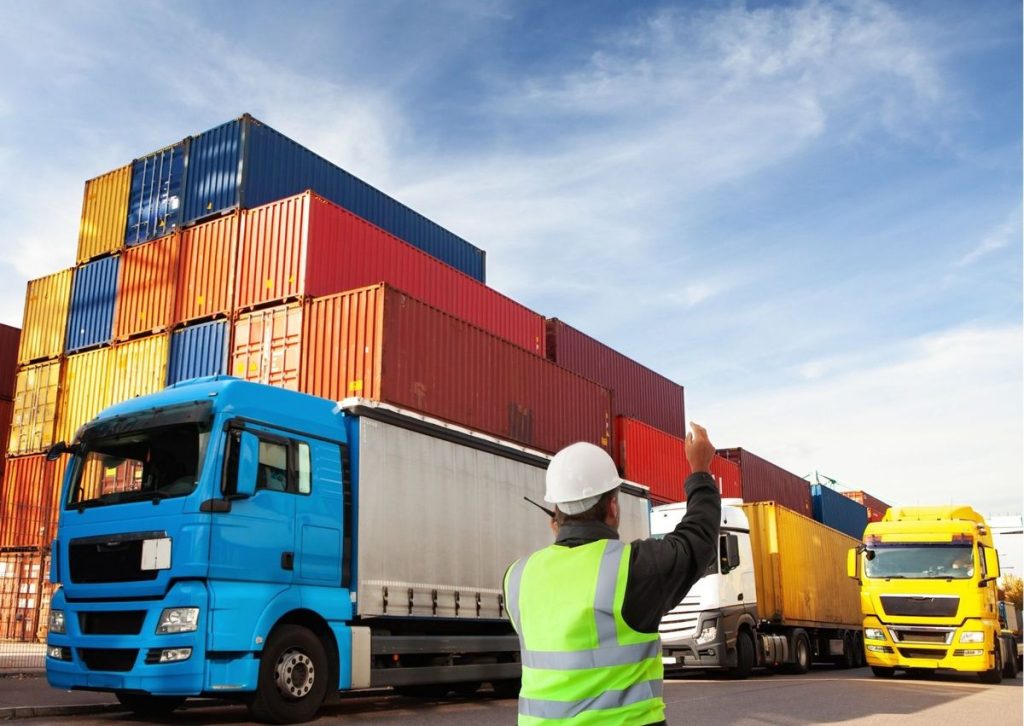
Reliable short-distance container transport supporting imports from Saint Pierre and Miquelon after arrival at US ports.
Ideal for fast container pickup after ocean arrival, ensuring smooth customs release and efficient inland delivery across the United States.
OPERATIONAL EXCELLENCE
Our Shipping Process
Provide shipment details including weight/volume and routing preferences. We confirm optimal carriers and schedules to ensure lead-time stability.
Cargo is transferred onto contracted flights. We monitor real-time schedules and provide milestone updates throughout the transit phase.
Cargo is collected or received at Velotaclogistics hubs. Our team performs measurement, repacking, and precise labeling while preparing export documentation.
Arrival at U.S. hubs (LAX/SFO/ORD). Bonded handling and coordinated clearance through licensed brokers precede pallet breakdown.
Compliant export filing for all express and special-line shipments, managed through standardized digital workflows to prevent origin delays.
Seamless transition to last-mile carriers. Full visibility remains active from initial pickup to the final milestone at destination.
Urgent replacement shipments are prioritized through fast-track documentation, warehouse preparation, and expedited transportation via air or express trucking where applicable. Customs clearance teams prepare documents in advance to avoid processing delays. Coordination between warehouse, carrier, and customs broker ensures the shipment moves quickly through each stage. This approach helps businesses restore supply chain continuity when unexpected product shortages or urgent customer requirements arise.
Document-label mismatches can lead to customs questions or cargo verification delays. Authorities rely on consistent information across invoices, packing lists, and physical markings. Warehouse inspection services help identify and correct discrepancies before export. Resolving these issues early ensures smoother customs processing and reduces the risk of cargo being held for clarification. Maintaining consistent labeling practices is essential for efficient international logistics operations.
Yes. Modern warehousing systems provide inventory tracking through digital records, barcode scanning, and real-time updates. Businesses can monitor stock levels, product locations, and shipment readiness. This visibility helps improve planning for export schedules and customer orders. Accurate inventory tracking also reduces errors during consolidation or packaging. It is especially useful for companies managing multiple shipments or frequent trade activities between Saint Pierre and Miquelon and the United States.
High-value collectibles require enhanced security, detailed valuation records, and careful packaging. Customs may request additional documentation to verify authenticity and declared value. Warehousing services often include secure storage, controlled handling, and inspection before export. Proper documentation reduces the risk of disputes during customs clearance. Due to their sensitivity, such shipments may also require specialized insurance coverage and careful coordination between logistics providers and customs brokers.
Insurance claims require documentation such as shipment records, photos of damage, inspection reports, and proof of value. Warehousing facilities often assist by providing condition reports before departure. If damage occurs during transit, claims are filed based on carrier responsibility and insurance coverage terms. Accurate pre-shipment documentation is essential for supporting claims and ensuring fair compensation. Without proper records, claim resolution may become more complex and time-consuming.
Yes. After customs clearance, goods can be separated for different distribution channels such as retail stores and wholesale buyers. Trucking services transport cargo from warehouses to multiple destinations based on business needs. This flexibility helps companies manage inventory efficiently and respond to varying market demands. Proper planning at the warehousing stage ensures correct labeling and allocation, reducing errors during downstream distribution across different U.S. locations.
Random inspections may occur without prior notice and typically involve physical examination, document verification, or cargo scanning. During this process, shipment release may be temporarily delayed. Proper documentation and accurate declarations significantly reduce complications during inspection. Logistics providers assist by ensuring all records are consistent and readily available. Warehousing records and inspection photos can also support faster resolution if customs authorities request additional information.
Fragile marine or specialty products require reinforced packaging, moisture protection, and shock-resistant materials. Depending on product type, additional insulation or vacuum sealing may be applied. Warehousing teams often prepare goods using export-grade cartons and pallets to reduce movement during transit. Proper packaging ensures stability across air, sea, and trucking segments. This preparation minimizes damage risks and supports compliance with handling requirements during customs inspection and final delivery stages.
Yes. Warehouse inspections are designed to identify discrepancies such as incorrect quantities, wrong SKUs, or improper packaging before cargo leaves the origin location. Early detection allows corrections to be made before shipment, reducing costly problems after export. This service is especially useful for bulk or multi-item orders. By verifying goods in advance, businesses can improve accuracy, reduce disputes with suppliers, and ensure smoother downstream logistics operations in the United States.