
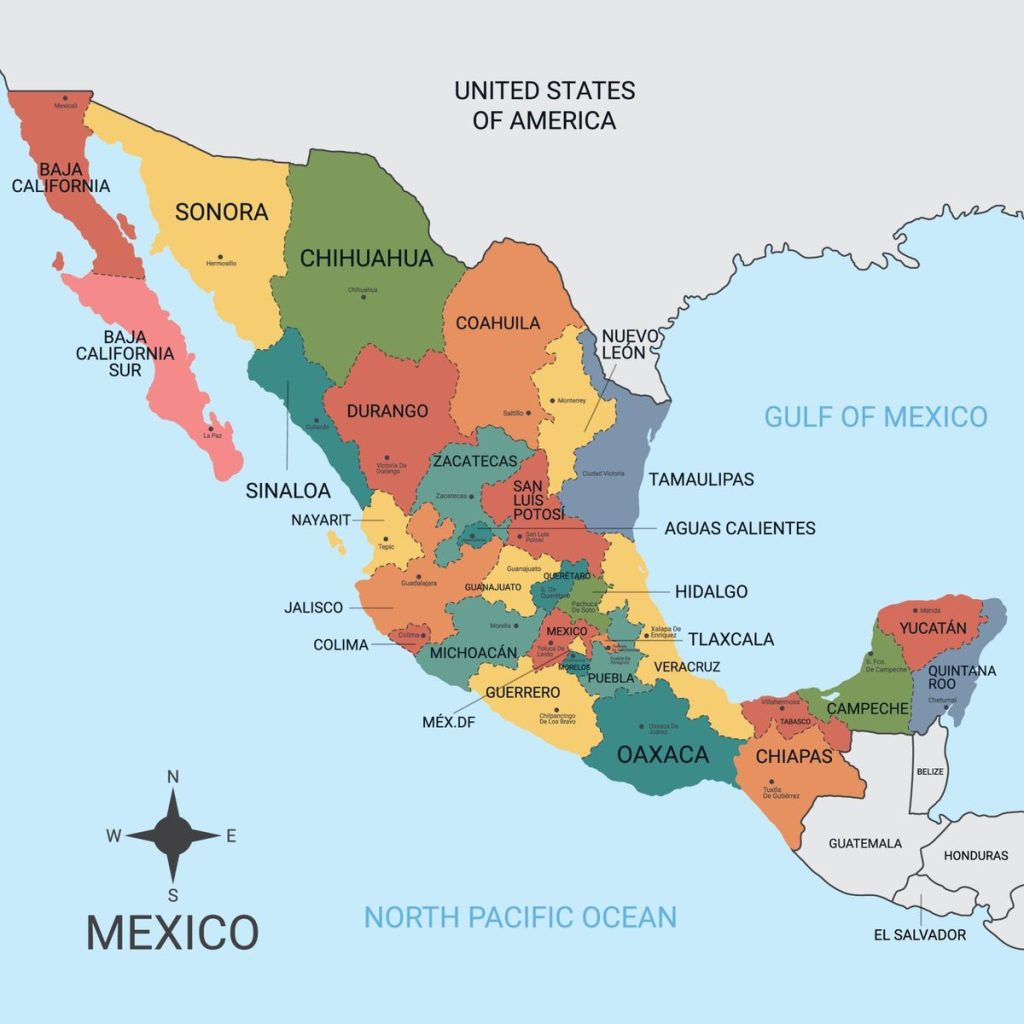
Reliable, cost-effective, and professionally coordinated logistics solutions for Shipping From Mexico To USA.
Velotac Logistics provides door-to-door freight services from Mexico to destinations across the USA, including ocean freight, air freight, customs clearance, warehousing, drayage, and final delivery.
Supported by strong carrier partnerships and integrated U.S. logistics networks, we ensure stable transit times, secure cargo handling, and flexible shipping solutions tailored to global supply chain needs.
Your Logistics Needs, Our Expertise.
Building a Resilient Supply Chain Through Partnership.

Why Choose Velotaclogistics
Worldwide Port Coverage Overview
🚢 Major Pacific Ports
Port of Manzanillo
Port of Lázaro Cárdenas
Port of Ensenada
🚢 Gulf of Mexico Ports
Port of Veracruz
Port of Altamira
Port of Progreso
SERVICE TIERS
Transportation Service Categories

Fast and reliable air freight service with 1–4 days transit time from Mexico to the USA. We work with DHL, FedEx, and UPS to ensure stable and efficient delivery.
Ideal for e-commerce, samples, and time-sensitive cargo requiring fast customs clearance and stable delivery.
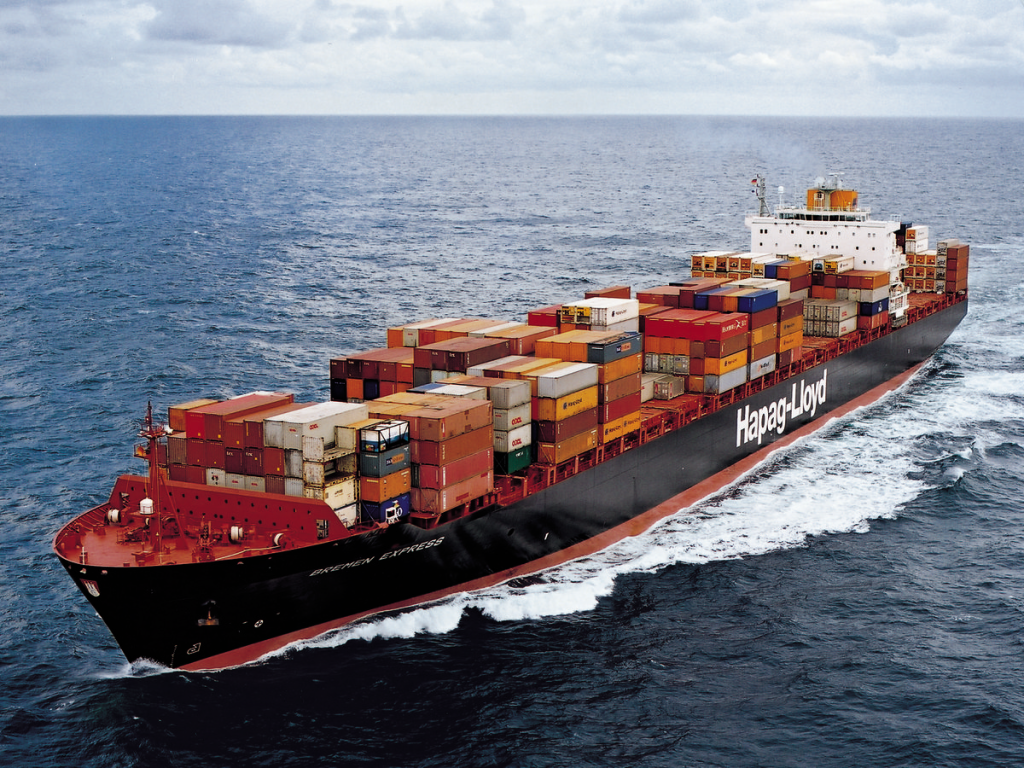
Cost-effective and stable ocean freight service for bulk cargo shipping from Mexico to the USA.
Ideal for businesses seeking lower shipping costs with reliable container shipping and efficient customs handling.
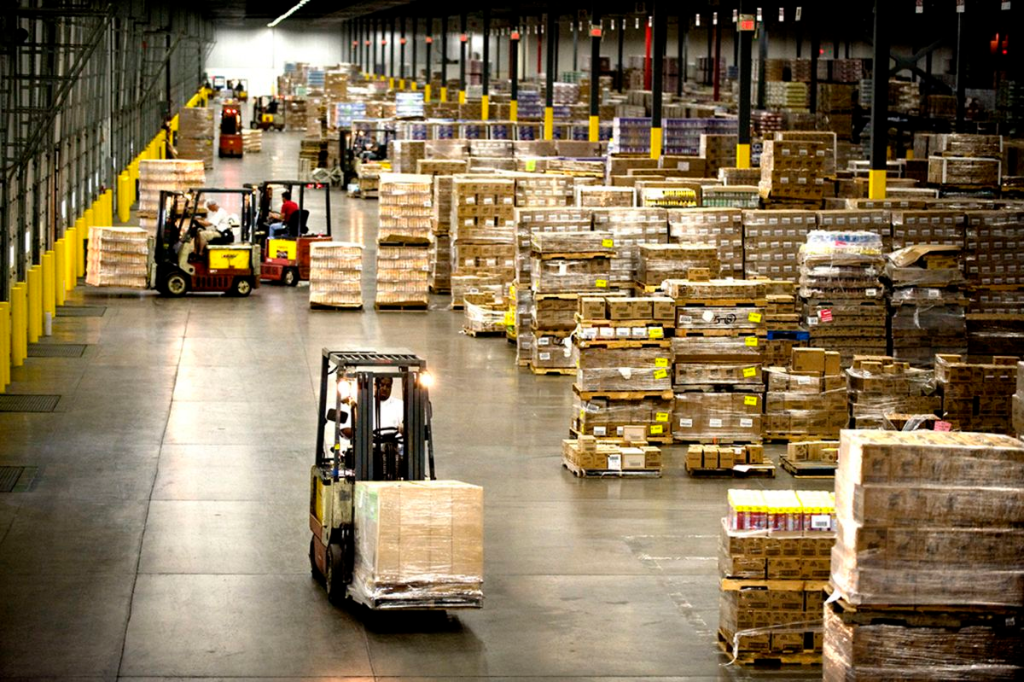
Flexible and secure warehousing solutions to support your global supply chain.
Ideal for businesses needing efficient storage, faster order processing, and smoother international shipping operations.
Reliable short-distance container transport connecting ports, rail yards, and warehouses across the United States.
Ideal for moving containers quickly after ocean freight to ensure smooth customs release and efficient inland delivery.
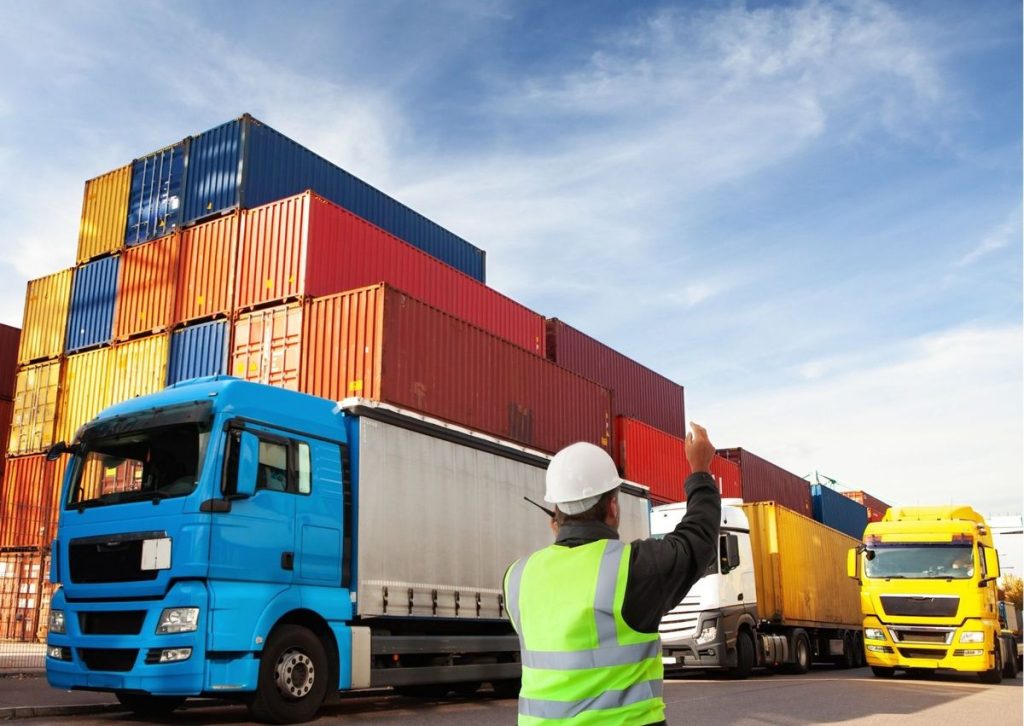
OPERATIONAL EXCELLENCE
Our Shipping Process
Provide shipment details including weight/volume and routing preferences. We confirm optimal carriers and schedules to ensure lead-time stability.
Cargo is transferred onto contracted flights. We monitor real-time schedules and provide milestone updates throughout the transit phase.
Cargo is collected or received at Velotaclogistics hubs. Our team performs measurement, repacking, and precise labeling while preparing export documentation.
Arrival at U.S. hubs (LAX/SFO/ORD). Bonded handling and coordinated clearance through licensed brokers precede pallet breakdown.
Compliant export filing for all express and special-line shipments, managed through standardized digital workflows to prevent origin delays.
Seamless transition to last-mile carriers. Full visibility remains active from initial pickup to the final milestone at destination.
Pricing inconsistencies on invoices can trigger customs valuation checks and delay clearance. Authorities may request revised invoices, payment proofs, or contracts to verify accuracy. Logistics providers typically review documents before submission to ensure alignment between invoice values, packing lists, and declarations. Warehouse teams may also flag discrepancies during intake. Resolving valuation issues early helps avoid penalties, reduces customs hold time, and ensures smoother coordination between trucking, warehousing, and border clearance procedures into the United States.
Yes. Consolidation is common when goods come from multiple suppliers or factories. Warehouses near the border can combine cargo into a single shipment for efficient trucking into the U.S. This process reduces transportation costs and simplifies customs documentation. However, each supplier’s goods must be clearly labeled and documented to avoid confusion. Proper consolidation also helps optimize load capacity, improve customs processing efficiency, and streamline distribution once cargo enters U.S. logistics networks.
If cargo is rejected, it may be held for further inspection, returned to Mexico, or require additional documentation for release. Reasons can include incomplete paperwork, misclassification, or labeling issues. Customs brokers typically work to resolve the problem by correcting documentation or providing supporting evidence. Warehousing services may temporarily store cargo while issues are resolved. Early preparation and accurate declarations significantly reduce the risk of rejection at the border inspection stage.
Temperature-sensitive goods require refrigerated trucks, cold storage warehouses, and controlled handling throughout the supply chain. These products must maintain consistent temperature conditions from pickup in Mexico to final delivery in the United States. Warehousing facilities often pre-cool cargo and monitor conditions before dispatch. Proper packaging and real-time tracking help ensure product integrity. Failure to maintain temperature control can lead to spoilage, customs complications, or rejection by receivers in the U.S. market.
Yes. Pre-clearance processes allow documentation to be submitted in advance so customs review can begin before physical arrival. This reduces waiting time at border checkpoints and helps identify potential issues early. Customs brokers verify invoices, HS codes, and compliance requirements beforehand. When done correctly, cargo can move more efficiently through inspection points. However, final release still depends on physical inspection or verification if authorities select shipments for additional review.
Common issues include missing commercial invoices, incorrect HS codes, inconsistent product descriptions, and incomplete consignee details. Even minor mismatches between documents can trigger customs holds. Logistics providers usually conduct pre-audits to identify these problems before shipment. Warehouse teams may also verify packaging and labeling accuracy. Ensuring consistent and complete documentation across all records is essential for avoiding delays and maintaining smooth cross-border transportation and clearance processes.
Bonded warehouses allow goods to be stored without immediate payment of duties until they enter the U.S. market. This is useful for importers managing inventory timing or uncertain distribution schedules. Cargo can remain under customs supervision while awaiting clearance or customer orders. These facilities also support repackaging, labeling, and inspection services. Using bonded storage helps improve cash flow management and provides flexibility in handling cross-border supply chain operations.
Mixed retail shipments require precise labeling and separation of SKUs to avoid confusion during customs inspection and warehouse receiving. Without proper organization, inventory errors or misclassification may occur. Logistics providers often use pallet segregation and barcode tracking to maintain accuracy. Customs authorities may also request detailed breakdowns of product categories. Proper planning ensures smoother border crossing, efficient unloading, and accurate distribution once goods arrive at U.S. warehouses or retail facilities.
Yes. Warehouse inspection services identify damaged cartons, leaking goods, incorrect labeling, or structural packaging issues before shipment leaves Mexico. Early detection allows repacking, replacement, or supplier correction. This prevents complications at customs and reduces claims after delivery. Inspection reports also provide documentation for insurance purposes if needed. Identifying issues before cross-border transport improves efficiency and reduces the risk of shipment rejection or costly delays at U.S. entry points.
Oversized machinery requires specialized flatbed trucks, heavy-lift equipment, and sometimes escort services depending on size and weight. Logistics planning includes route analysis, permit acquisition, and loading safety checks. Warehousing facilities may assist with disassembly, crating, or staging before transport. Customs documentation must clearly describe equipment specifications. Proper coordination ensures safe cross-border movement while complying with both Mexican export and U.S. import transportation regulations.
Consignee changes can sometimes be updated before customs clearance is finalized, but timing is critical. Documentation must be revised and approved by customs brokers and carriers. Late changes may require additional verification or delay release. Warehousing and logistics teams help coordinate updates across all systems, including trucking and customs filings. Clear communication ensures that cargo is delivered to the correct destination without disruption to the import process.