
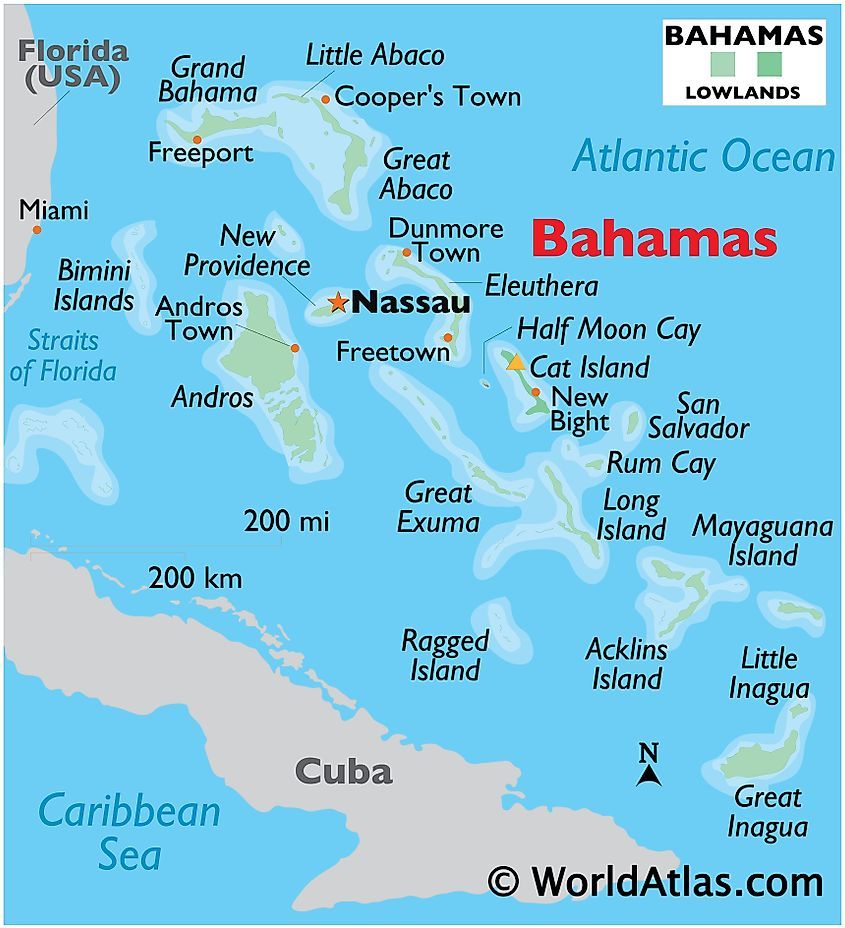
Reliable, cost-effective, and professionally coordinated logistics solutions for Shipping From The Bahamas To USA.
Velotac Logistics provides door-to-door freight services from The Bahamas to destinations across the USA, including ocean freight, air freight, customs clearance, warehousing, drayage, and final delivery.
Supported by strong carrier partnerships and integrated U.S. logistics networks, we ensure stable transit times, secure cargo handling, and flexible shipping solutions tailored to global supply chain needs.
Your Logistics Needs, Our Expertise.
Building a Resilient Supply Chain Through Partnership.

Why Choose Velotaclogistics
Worldwide Port Coverage Overview
🚢 Commercial / Container Ports
Port of Nassau
Freeport Harbour
🚢 Cruise Ports
Prince George Wharf
🛢️ Energy Ports
South Riding Point Terminal
🚢 Local Ports
Marsh Harbour Port
SERVICE TIERS
Transportation Service Categories

Fast and reliable air freight service with 2–7 days transit time from the Bahamas to the USA. We work with DHL, FedEx, and UPS to ensure stable and efficient delivery.
Ideal for e-commerce, samples, and time-sensitive cargo requiring fast customs clearance and stable delivery.
📍SEA FREIGHT
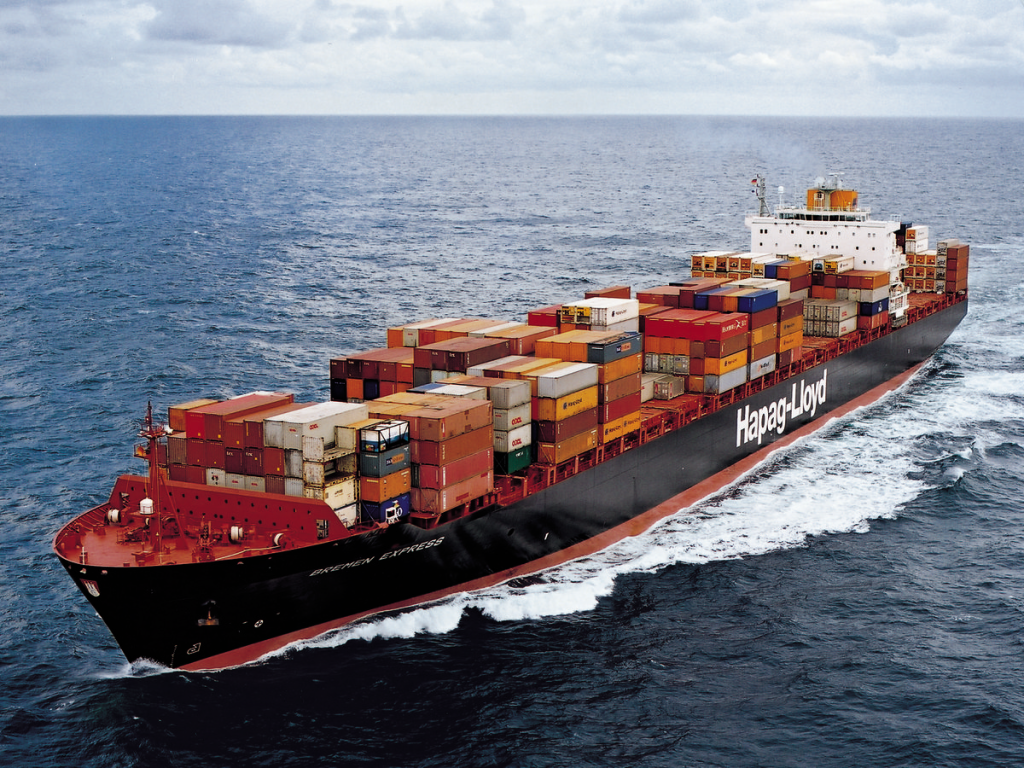
Cost-effective and stable ocean freight service for bulk cargo shipping from the Bahamas to the USA.
Ideal for businesses seeking lower shipping costs with reliable container shipping and full customs support.
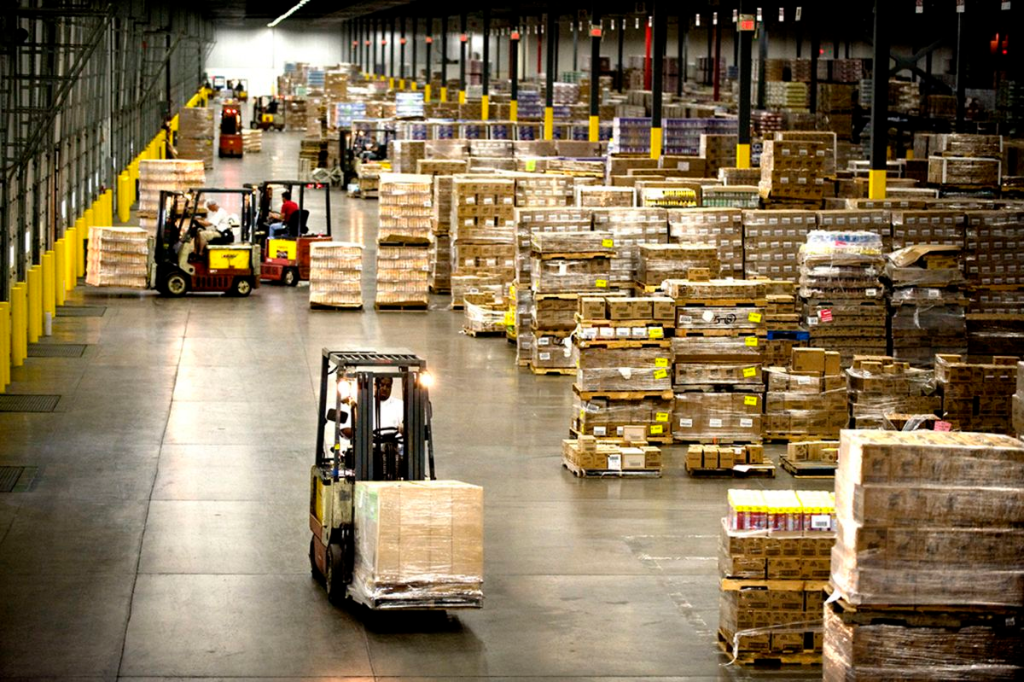
Flexible and secure warehousing solutions to support your global supply chain.
Ideal for businesses needing efficient storage, faster order processing, and smoother international shipping operations.
Reliable short-distance container transport connecting ports, rail yards, and warehouses across the United States.
Ideal for moving containers quickly after ocean freight to ensure smooth customs release and efficient inland delivery for shipments arriving from the Bahamas and other international origins.

OPERATIONAL EXCELLENCE
Our Shipping Process
Provide shipment details including weight/volume and routing preferences. We confirm optimal carriers and schedules to ensure lead-time stability.
Cargo is transferred onto contracted flights. We monitor real-time schedules and provide milestone updates throughout the transit phase.
Cargo is collected or received at Velotaclogistics hubs. Our team performs measurement, repacking, and precise labeling while preparing export documentation.
Arrival at U.S. hubs (LAX/SFO/ORD). Bonded handling and coordinated clearance through licensed brokers precede pallet breakdown.
Compliant export filing for all express and special-line shipments, managed through standardized digital workflows to prevent origin delays.
Seamless transition to last-mile carriers. Full visibility remains active from initial pickup to the final milestone at destination.
Inter-island transfers in the Bahamas can sometimes delay cargo arrival at the main consolidation point due to limited ferry schedules or weather disruptions. When this occurs, goods are stored in secure warehouses until all shipments are ready for combined export. This prevents partial loading and reduces unnecessary transport costs. Logistics providers coordinate trucking and marine transport between islands, ensuring cargo integrity while maintaining proper documentation for U.S. customs clearance once consolidation is complete.
Marine equipment and yacht-related cargo often require ownership verification due to regulatory and valuation concerns. Customs may request registration documents, purchase records, or maintenance history. Without proper proof, shipments may be delayed for inspection or valuation review. Warehousing teams help organize supporting documents before export, ensuring consistency between physical cargo and declared ownership details. This is especially important in the Bahamas due to its strong marine trade environment.
Yes. Seafood shipments from the Bahamas may undergo strict FDA and customs inspections upon arrival in the U.S. Authorities check temperature control, packaging integrity, and documentation compliance. If inconsistencies are found, cargo may be held for additional testing. Cold-chain warehousing and pre-export inspections help reduce these risks. Proper coordination between air freight handlers and customs brokers ensures smoother clearance for time-sensitive seafood products entering the U.S. market.
Resort suppliers often ship mixed goods such as linens, furniture, and amenities together, which can complicate classification. Each category must be separately labeled and documented for customs purposes. Warehousing services help sort and organize items before export to avoid confusion. Without proper separation, customs may request additional clarification or reclassification. Clear inventory tracking ensures smooth handling during both shipping and U.S. import inspection processes.
Duty-free goods require careful documentation to confirm eligibility for export and proper tax treatment upon entry into the U.S. If records are incomplete, customs may reassess duties or request additional verification. Warehousing teams often standardize invoices and packaging labels to ensure compliance. Misclassification can result in unexpected charges or delays. Proper documentation ensures that duty-free status is correctly interpreted during clearance procedures.
Yes. Warehouse inspections can identify corrosion, moisture damage, or packaging deterioration caused by saltwater exposure during island transport. This is especially important for electronics, metals, or sensitive goods shipped from coastal areas. Early detection allows repackaging or supplier notification before export. Documenting damage also supports insurance claims if required. Preventive inspection reduces the risk of cargo failure upon arrival in the United States.
Many small suppliers in the Bahamas may lack formal export procedures or documentation experience. Logistics providers often assist by preparing standardized invoices, packing lists, and customs declarations. Warehousing teams help verify cargo details and ensure compliance before shipment. This support reduces errors, improves customs approval rates, and helps small businesses participate in international trade without facing regulatory or documentation barriers.
In some cases, commercial cargo shipped through cruise-linked logistics channels must be separated from passenger baggage systems. Customs and port authorities enforce strict segregation rules to avoid safety and compliance issues. Warehousing services help classify and redirect cargo into approved freight channels. Proper handling ensures commercial goods are processed correctly without interfering with passenger operations or violating port regulations.
Yes. After customs clearance, luxury hotel furniture can be distributed using trucking networks to multiple properties or renovation sites across the United States. Warehousing facilities often organize shipments by project or location before dispatch. This ensures accurate delivery coordination and reduces installation delays. Proper labeling and inventory management are essential to avoid mix-ups during large-scale hospitality projects involving multiple delivery points.
Urgent marine replacement parts are prioritized through expedited air freight and fast customs processing. Warehousing teams prepare documentation immediately to reduce delays. If vessels are stranded, logistics providers coordinate direct delivery to ports or repair yards using trucking services. Accurate classification and pre-clearance help ensure critical components reach their destination quickly, minimizing downtime for marine operations based in or around the Bahamas.
If declared shipment value does not match insurance documentation, discrepancies may arise during claims processing or customs review. Authorities may request supporting evidence such as invoices, contracts, or payment receipts. Warehousing inspection records help verify cargo condition and value before export. Ensuring consistency between insurance, customs, and shipping documents is essential to avoid disputes and ensure smooth claim resolution if damage or loss occurs.
Yes. Tropical storms can temporarily disrupt warehouse intake, trucking schedules, and port operations. During such events, cargo is secured in protected storage facilities until conditions improve. Logistics providers adjust shipment timing and coordinate with carriers to minimize disruption. Warehousing plays a key role in protecting goods from environmental damage and maintaining continuity in export preparation once operations resume safely.
Cosmetics and electronics must be separated due to different customs classifications and regulatory requirements. Warehousing services organize cargo into distinct groups, ensuring proper labeling and documentation for each category. This prevents misclassification and reduces inspection risks. Proper separation also helps with inventory tracking and ensures that each product type complies with relevant U.S. import regulations during clearance.
Handcrafted souvenirs often vary in material, size, and artistic design, making classification difficult for customs. Authorities may require detailed descriptions, material composition, and origin verification. Warehousing inspection helps standardize documentation and ensure proper labeling. Without accurate records, shipments may face valuation adjustments or delays. Proper preparation supports smoother import processing and reduces the risk of disputes regarding product categorization.
Last-minute rerouting requires quick coordination between warehouses, trucking providers, and customs brokers. Documentation must be updated to reflect new destinations, and cargo may need relabeling or reorganization. Logistics teams prioritize compliance while adjusting transportation plans. Efficient warehousing systems allow rapid response to changes without disrupting shipment integrity, ensuring cargo is redirected safely and correctly to the updated U.S. destination.