Shipping From USA to Thailand Shipping Quote: 2026 Freight Guide
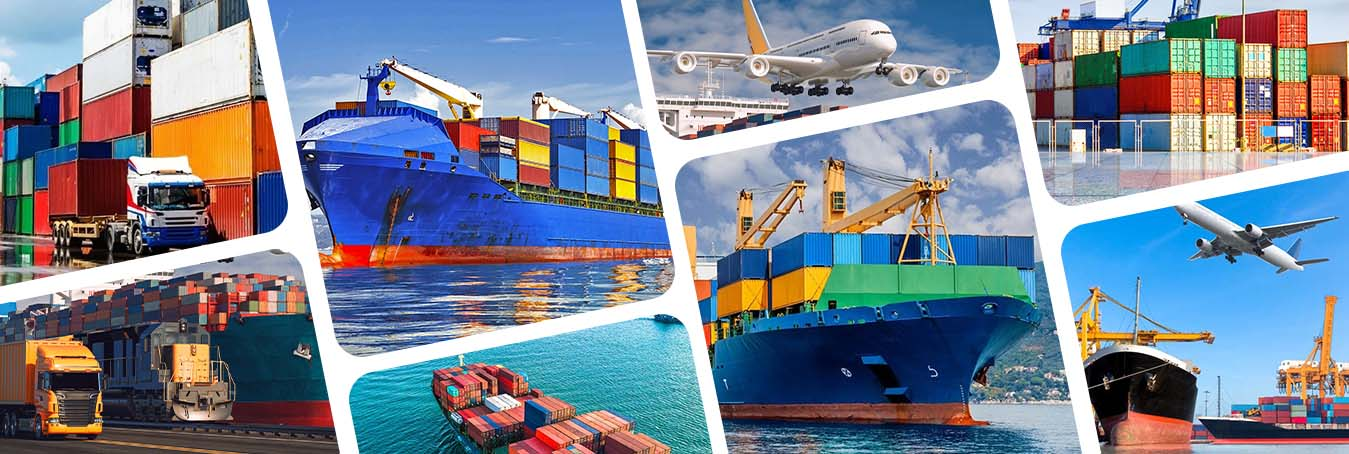
Navigating the complexities of international trade requires a reliable partner and a precise shipping from usa to thailand shipping quote to ensure your bottom line remains protected. At VeloTactics Logistics, we specialize in bridging the gap between North America and Southeast Asia with streamlined supply chain solutions. Whether you are an e-commerce brand expanding into the Thai market or a manufacturer sourcing industrial components, understanding the nuances of transpacific logistics is essential. In 2026, the freight market has evolved with new digital tracking requirements and updated customs protocols in Bangkok and Laem Chabang. This guide provides a deep dive into cost factors, transit times, and the strategic advantages of choosing the right logistics provider for your cargo.
What Is a Shipping From USA to Thailand Shipping Quote?
A shipping from usa to thailand shipping quote is a comprehensive breakdown of the costs associated with moving goods from a United States origin to a Thai destination. This document is not merely a price tag but a detailed roadmap of the logistics journey. It typically includes the base freight rate, fuel surcharges, terminal handling charges, and any additional services like drayage or warehousing.
In the current 2026 market, quotes are increasingly dynamic. They reflect real-time carrier capacity and the fluctuating costs of low-sulfur marine fuels. For importers and exporters, an accurate quote serves as a critical tool for financial planning and price setting. It allows businesses to compare different modes of transport, such as ocean freight and air freight, to find the optimal balance between speed and expenditure.
When you request a quote from an FMC licensed NVOCC, you are receiving a commitment of service. This includes the allocation of space on a vessel or aircraft and the coordination of inland transportation. Understanding every line item in your quote is the first step toward a successful import-export operation.
How Much Does Shipping From USA to Thailand Cost in 2026?
The cost of shipping to Thailand varies significantly based on the volume of your cargo and the level of service required. For 2026, we are seeing a stabilization in rates after the volatility of previous years, though seasonal peaks still influence the market. On average, a 40-foot container (FCL) from the West Coast to Laem Chabang may range from 2,500 to 4,200 USD depending on the season.
LCL (Less than Container Load) shipments are priced per cubic meter (CBM). This is often the most cost-effective route for smaller businesses that do not have enough inventory to fill a full container. Air freight remains the premium option, with rates typically calculated per kilogram. For high-value electronics or urgent medical supplies, the higher cost of air transport is often justified by the rapid delivery schedule.
It is important to remember that the base freight rate is only part of the total landed cost. You must also account for Thailand import duties, VAT, and local handling fees. At VeloTactics Logistics, we provide transparent pricing to help you avoid hidden fees at the port of entry.
| Shipping Method | Estimated Cost (USD) | Pricing Unit | Best For |
|---|---|---|---|
| Ocean Freight FCL (20ft) | 1,800 – 2,800 | Per Container | Bulk Goods / Heavy Cargo |
| Ocean Freight LCL | 120 – 250 | Per CBM | Small to Medium Shipments |
| Air Freight Standard | 4.50 – 8.00 | Per KG | Urgent / High Value |
| Express Courier | 12.00 – 20.00 | Per KG | Samples / Documents |
Pricing Disclaimer
Freight rates are subject to change based on carrier capacity, fuel costs, market demand, and seasonal fluctuations. Contact VeloTactics Logistics for an up-to-date quotation.
What Factors Affect Your Thailand Freight Rates?
Several variables influence the final number on your shipping from usa to thailand shipping quote. The most prominent factor is the distance between the origin port and the destination. Shipping from Los Angeles or Long Beach is generally more affordable and faster than shipping from the East Coast, such as New York or Savannah, due to the direct transpacific routes.
Fuel surcharges, often referred to as BAF (Bunker Adjustment Factor), play a major role in 2026 pricing. As the industry moves toward greener energy, the cost of compliant fuels can fluctuate. Additionally, the type of commodity being shipped matters. Hazardous materials or oversized project cargo require specialized handling and equipment, which increases the overall services cost.
Seasonality is another critical driver. The period leading up to major holidays often sees a surge in demand, leading to port congestion and equipment shortages. By planning your shipments during off-peak windows, you can often secure lower freight rates and more reliable transit times.
How Long Does Shipping From USA to Thailand Take?
Transit time is a major consideration when choosing between ocean and air freight. For ocean shipments, the journey from the US West Coast to Thailand typically takes between 25 and 35 days. If you are shipping from the East Coast via the Suez or Panama Canal, expect a duration of 40 to 55 days. These timelines include port-to-port movement but do not always account for inland drayage transportation.
Air freight is significantly faster, usually taking 3 to 7 days. This includes the time needed for cargo consolidation, flight duration, and initial customs processing. In 2026, improvements in port operations in Bangkok have helped reduce local bottlenecks, but transit times can still be affected by weather events or carrier schedule changes.
Reliability in the delivery schedule is paramount for maintaining a healthy supply chain. Working with an experienced logistics provider ensures that you have access to real-time cargo tracking, allowing you to manage inventory levels and customer expectations effectively.
| Route | Method | Average Days | Notes |
|---|---|---|---|
| Los Angeles to Laem Chabang | Ocean (Direct) | 25 – 30 | Fastest Sea Route |
| New York to Bangkok | Ocean (Transshipment) | 45 – 55 | Subject to Canal Transit |
| Chicago to Bangkok | Air Freight | 4 – 6 | Includes Hub Transfer |
| Houston to Laem Chabang | Ocean | 38 – 45 | Common for Energy Sector |
How Does shipping from usa to thailand shipping quote Compare to Other Shipping Options?
When evaluating a shipping from usa to thailand shipping quote, it is essential to compare different logistics modes to find the best fit for your specific needs. Ocean freight remains the backbone of global trade due to its capacity for large volumes and low cost. However, for time-sensitive cargo, air freight or sea-air hybrid solutions may be more appropriate.
Sea-Air freight is an increasingly popular middle-ground option in 2026. This method involves shipping goods by sea to a major hub like Singapore or Dubai and then flying them to Thailand. This can save up to 50% on transit time compared to pure ocean freight while costing significantly less than pure air freight. Each method has its own set of services and limitations that must be weighed carefully.
Cross-border trucking is also a factor for shipments originating in neighboring countries, but for USA-Thailand routes, the primary choice is between sea and air. Understanding the pros and cons of each helps in making an informed decision that aligns with your business goals.
| Shipping Method | Cost Range | Transit Time | Best For | Limitations |
|---|---|---|---|---|
| Ocean Freight | Low | 25 – 55 Days | Large Volume / Heavy | Slow Speed |
| Air Freight | High | 3 – 7 Days | Urgent / Perishables | Weight Restrictions |
| Sea-Air Freight | Medium | 15 – 20 Days | Retail / Electronics | Complex Scheduling |
| Express Courier | Very High | 2 – 4 Days | Samples / Small Parcels | Very Expensive |
Which Shipping Option Should You Choose?
Choosing the right shipping option depends on your priority: cost, speed, or reliability. If you are managing a high-volume supply chain where margins are tight, ocean freight FCL is almost always the best choice. It offers the lowest cost per unit and provides the most security for your goods. For smaller shipments, LCL allows you to share container space and costs with other shippers.
For Amazon FBA sellers or e-commerce brands, speed to market is often the deciding factor. If you are launching a new product or replenishing low stock, air freight ensures you do not lose out on sales due to stockouts. Additionally, high-value cargo like jewelry or precision electronics benefits from the enhanced security and reduced handling associated with air transport.
Manufacturers and distributors must also consider the nature of their cargo. Oversized industrial equipment may only be transportable via specialized ocean vessels (Project Cargo). We recommend a logistics consultation with VeloTactics Logistics to analyze your specific cargo profile and determine the most efficient route and method.
What Documents Are Required for Thailand Customs Clearance?
Customs clearance is often the most complex part of shipping from the USA to Thailand. Thailand has strict regulations regarding import permits and product standards. Ensuring your documentation is accurate and complete is vital to avoiding costly delays and storage fees at the port. In 2026, many of these documents must be submitted through the Thai Customs electronic system.
The primary documents required include a commercial invoice, a detailed packing list, and the Bill of Lading or Air Waybill. Depending on the product, you may also need a Certificate of Origin to qualify for specific trade agreements or a specialized permit from the Thai Food and Drug Administration (FDA) or the Thai Industrial Standards Institute (TISI).
Working with a provider that offers integrated customs clearance services can significantly simplify this process. They act as your representative, ensuring all duties are calculated correctly and all regulatory hurdles are cleared before your cargo even arrives.
| Document | Required | Purpose |
|---|---|---|
| Commercial Invoice | Yes | Value Declaration and Tax Assessment |
| Packing List | Yes | Verification of Contents and Weight |
| Bill of Lading | Yes | Contract of Carriage and Title of Goods |
| Certificate of Origin | Optional | Preferential Duty Rates |
| Import Permit | Product Dependent | Regulatory Compliance (FDA/TISI) |
What Common Mistakes Should Importers Avoid?
One of the most frequent mistakes is choosing the wrong Incoterms. Many buyers opt for EXW (Ex Works) without realizing they are responsible for the entire logistics chain, including export customs in the USA. Conversely, DDP (Delivered Duty Paid) can be risky if the seller is not familiar with Thai import regulations. We often suggest CIF or DAP as balanced alternatives.
Another common error is underestimating the importance of cargo insurance. While carriers have limited liability, it rarely covers the full value of the goods in the event of a total loss or major damage. Investing in comprehensive insurance provides peace of mind and financial protection. You can read more about risk management on our blog.
Finally, failing to verify the HS Code (Harmonized System Code) for your products can lead to incorrect duty payments and legal issues. Always confirm the classification of your goods with a professional customs broker to ensure compliance with the latest 2026 tariff schedules.
How Can You Reduce Your Thailand Shipping Costs?
Consolidation is one of the most effective ways to lower your shipping from usa to thailand shipping quote. By grouping multiple smaller shipments into a single LCL or FCL load, you can take advantage of bulk freight rates. Additionally, optimizing your packaging to reduce wasted space can lower your dimensional weight, which is particularly important for air freight.
Building a long-term relationship with a single logistics provider allows for better negotiation of rates and more personalized services. Frequent shippers can often access volume discounts that are not available to one-off importers. Furthermore, staying informed about market trends allows you to book shipments during periods of lower demand.
Leveraging technology for better supply chain visibility can also identify inefficiencies. By tracking transit times and port performance, you can choose routes that avoid congested hubs, reducing the risk of demurrage and detention charges. Planning ahead is the ultimate cost-saving strategy in the 2026 freight market.
2026 Market Intelligence and Global Logistics Case Studies
The 2026 freight market is defined by a shift toward digital integration and sustainable shipping. According to industry benchmarks, carrier capacity has reached a new equilibrium, but fuel surcharges remain a volatile factor. Port congestion in major US hubs like Los Angeles has improved due to AI-driven scheduling, yet peak season trends still require early booking. Based on current market rates, businesses that utilize data-driven logistics are seeing a 15% reduction in overall costs.
Market data suggests that Southeast Asia, particularly Thailand, continues to be a primary destination for American exports in the electronics and automotive sectors. As a leading logistics provider, we monitor these trends daily to provide our clients with the most accurate intelligence. For personalized assistance, you can contact our team of experts.
Case Study 1: China to USA
Route: Shanghai to Los Angeles. Cargo: Office Furniture. Volume: 28 CBM. Weight: 5,600 KG. Container: LCL. Carrier: COSCO. Port: Shanghai. Destination: Long Beach. Cost Breakdown: Base freight at 145 USD per CBM, plus fuel and terminal fees. Transit Time: 18 days port-to-port. Challenges: Managing peak season congestion at the Shanghai terminal. Key Insight: Early booking and cargo consolidation saved the client 12% compared to spot market rates.
Case Study 2: Vietnam to USA
Route: Ho Chi Minh to Savannah. Cargo: Apparel. Volume: 40ft HC Container. Weight: 12,000 KG. Container: FCL. Carrier: Maersk. Port: Cat Lai. Destination: Savannah. Cost Breakdown: All-in rate of 4,800 USD. Transit Time: 38 days. Challenges: Navigating Suez Canal transit schedules. Key Insight: Using a direct service to the East Coast avoided the higher drayage costs associated with West Coast rail transfers.
Case Study 3: Mexico to USA
Route: Monterrey to Dallas. Cargo: Auto Parts. Volume: Full Truckload. Weight: 18,000 KG. Method: Cross-Border Transportation. Carrier: Regional Partner. Origin: Monterrey. Destination: Dallas. Cost Breakdown: 2,200 USD per truckload. Transit Time: 2 days. Challenges: Customs documentation at the Laredo border crossing. Key Insight: Pre-clearing the cargo through a specialized broker reduced border wait times from 12 hours to 2 hours.
Final Thoughts on Securing Your Shipping From USA to Thailand Shipping Quote
Securing a competitive shipping from usa to thailand shipping quote in 2026 requires a blend of market knowledge, strategic planning, and the right logistics partnership. By understanding the factors that influence freight rates and choosing the appropriate shipping method, you can significantly enhance your operational efficiency. From ocean freight FCL to urgent air cargo, the goal is always to move your goods safely and cost-effectively.
At VeloTactics Logistics, we are committed to providing transparent, authoritative, and reliable shipping solutions. We navigate the complexities of customs clearance and international regulations so you don’t have to. As the global market continues to evolve, having a trusted partner in your supply chain is the most valuable asset your business can have.
Start Your Shipment
Ready to streamline your international trade? Whether you need to compare shipping costs or require a comprehensive logistics consultation, our team is here to help. Request a Free Freight Quote today and experience the difference of working with a premier logistics provider. Let us handle your transit time, customs clearance, and supply chain management while you focus on growing your business.
Request Quote