
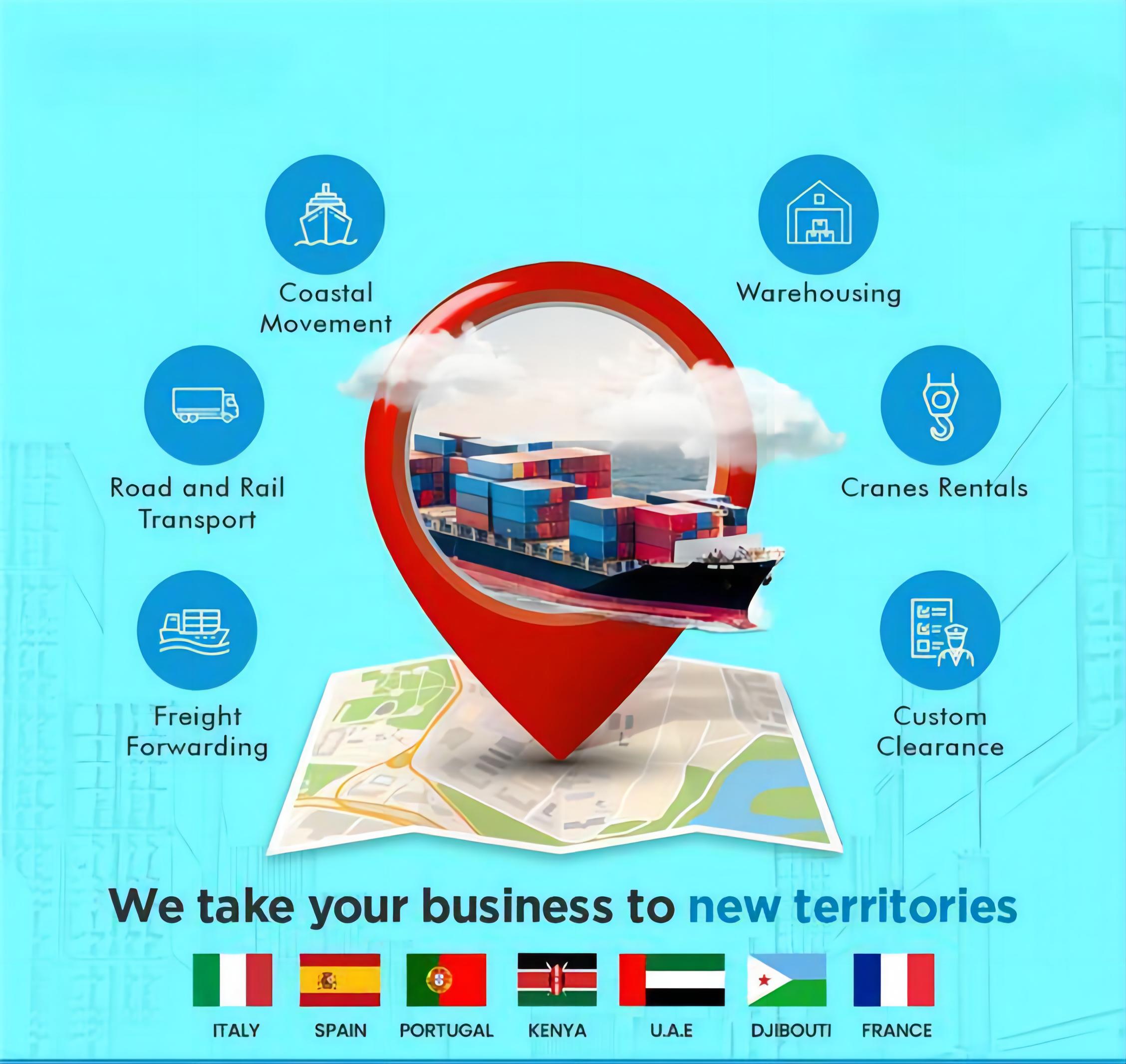
2026 Shipping From USA to Chile Sea Freight Rates and Logistics Guide
Understanding shipping from usa to chile sea freight rates is essential for any business looking to tap into the vibrant Chilean market in 2026. As a leading logistics provider, VeloTactics Logistics specializes in navigating the complexities of international trade between North and South America. Whether you are moving bulk industrial equipment or smaller retail consignments, ocean freight remains the most cost-effective solution for long-distance transport. The current global economy demands a strategic approach to supply chain management to ensure profitability and reliability. This guide provides a comprehensive breakdown of the factors influencing freight rates and how you can optimize your shipping strategy for the year ahead.
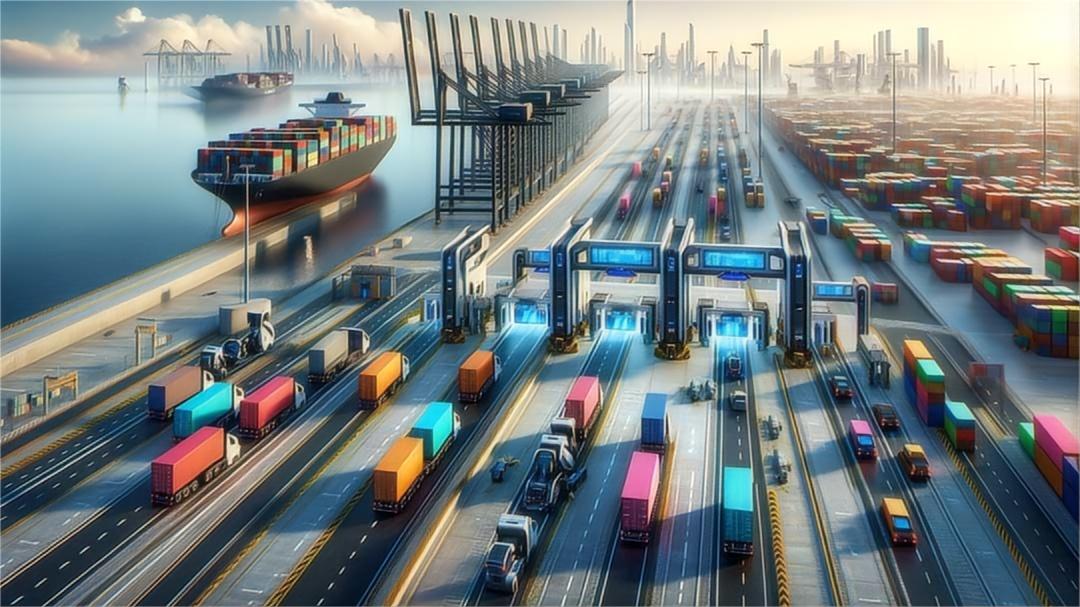
What Are Shipping From USA to Chile Sea Freight Rates?
Sea freight rates for shipping from the USA to Chile represent the total cost charged by carriers to transport goods via ocean vessels. These rates are typically quoted based on container size for Full Container Load (FCL) or by volume and weight for Less than Container Load (LCL) shipments. In 2026, the market has seen significant shifts due to updated environmental regulations and technological advancements in port operations.
When you evaluate services for ocean freight, you must consider both the ocean freight rate and the ancillary surcharges. These surcharges often include fuel adjustment factors, terminal handling charges, and seasonal peak surcharges. Understanding these components helps importers and exporters accurately calculate their landed costs and maintain healthy margins.
According to industry benchmarks, sea freight remains the backbone of trade between these two nations. While air freight offers speed, the capacity and affordability of ocean transport make it the preferred choice for the majority of commodities. VeloTactics Logistics helps clients navigate these rates to find the most efficient routing options available in the current market.
How Much Does Shipping from USA to Chile Cost in 2026?
The cost of shipping from the USA to Chile is influenced by several dynamic variables. Market data suggests that rates fluctuate based on the port of origin, the destination port in Chile, and the type of cargo being moved. For instance, shipping from the Port of Miami to Valparaiso may offer different pricing than shipping from Long Beach to San Antonio due to distance and carrier competition.
In 2026, fuel costs and carrier capacity remain the primary drivers of price volatility. Furthermore, the demand for specialized equipment, such as refrigerated containers (reefers) for perishable goods, can significantly increase the base rate. Most businesses find that securing a contract with an FMC licensed NVOCC provides more stable pricing compared to the spot market.
Freight rates are subject to change based on carrier capacity, fuel costs, market demand, and seasonal fluctuations. Contact VeloTactics Logistics for an up-to-date quotation.
| Container Type | Average Cost (USD) | Transit Time | Best For |
|---|---|---|---|
| 20ft FCL | $2,200 – $3,100 | 18-25 Days | Heavy or Dense Goods |
| 40ft FCL | $3,400 – $4,800 | 18-25 Days | Voluminous Cargo |
| LCL (per CBM) | $120 – $190 | 25-35 Days | Small Shipments |
How Does shipping from usa to chile sea freight rates Compare to Other Shipping Options?
Choosing the right transportation mode is a balance between speed, cost, and cargo requirements. While sea freight is the primary topic, businesses often evaluate other services to meet urgent deadlines or handle specific logistics challenges. Comparing these options directly allows for better supply chain decision-making.
Ocean freight is significantly cheaper than air freight, often costing up to 80 percent less for large volumes. However, air freight can deliver goods in 3 to 7 days, whereas sea freight takes several weeks. For businesses with high-value electronics or urgent medical supplies, the higher cost of air freight may be justified by the reduction in inventory carrying costs.
In the 2026 market, sea-air freight has emerged as a middle-ground solution. This hybrid model involves shipping goods by sea to a hub and then flying them to the final destination. This can offer a 40 percent faster transit time than pure sea freight while remaining more affordable than direct air shipping. Visit our about page to learn how we integrate these modes.
| Shipping Method | Cost Range | Transit Time | Best For | Limitations |
|---|---|---|---|---|
| Ocean Freight | Low | 18-35 Days | Bulk, FCL, LCL | Slower speed |
| Air Freight | High | 3-7 Days | Urgent, High-value | High cost, weight limits |
| Sea-Air Freight | Medium | 12-18 Days | E-commerce, Retail | Complex handling |
| Truck Freight | N/A | N/A | Inland Delivery | Geographic limits |

Which Shipping Option Should You Choose?
Selecting the optimal shipping method requires a strategic framework. If your primary goal is budget priority, then LCL or FCL ocean freight is almost always the correct choice. For manufacturers moving raw materials or wholesalers stocking seasonal inventory, the cost savings of sea freight outweigh the longer transit times.
Conversely, if you are handling urgent shipments or Amazon FBA logistics where stockouts result in lost rankings, air freight might be necessary. High-value cargo also benefits from the increased security and reduced handling associated with air transport. Importers must calculate the total cost of ownership, including warehouse storage and insurance, when making this choice.
For oversized cargo or project cargo that cannot fit in standard containers, specialized ocean freight services like Roll-on/Roll-off (RoRo) or Flat Rack containers are required. Our team at VeloTactics Logistics provides a full logistics consultation to help you determine which of our services aligns best with your business objectives.
How Long Does Sea Freight to Chile Take?
Transit time for sea freight from the USA to Chile is largely determined by the departure port and the specific carrier’s route. Generally, shipments from the East Coast or Gulf Coast take longer as they must transit the Panama Canal. Shipments from the West Coast often have a more direct path but can still be influenced by intermediate port calls.
In 2026, port operations in Valparaiso and San Antonio have been upgraded to handle larger vessels, which has slightly improved offloading times. However, seasonal weather patterns and peak season trends can still cause delays. It is important to factor in at least 5 to 7 days for customs clearance and drayage transportation once the ship arrives at the port.
Industry averages indicate that door-to-door shipping from the USA to Chile typically takes between 30 and 45 days. This includes the time needed for inland trucking at both ends and the actual time spent on the water. For more details on scheduling, check our latest blog post on South American transit trends.
| Origin Route | Method | Average Days | Notes |
|---|---|---|---|
| Miami to Valparaiso | Ocean | 18-22 | Fastest East Coast route |
| Houston to San Antonio | Ocean | 24-28 | Common for industrial goods |
| Long Beach to Valparaiso | Ocean | 20-25 | Direct West Coast service |
| New York to San Antonio | Ocean | 28-32 | Includes multiple port calls |
What Documents Are Required for Chile Customs Clearance?
Navigating customs clearance in Chile requires meticulous documentation to avoid costly delays and fines. Chile has a robust regulatory framework, and all imports must be declared through a licensed customs broker for shipments valued over a certain threshold. Providing accurate information is the first step in ensuring a smooth import logistics process.
The most critical documents include the Bill of Lading, the Commercial Invoice, and the Packing List. Furthermore, if you are shipping under the US-Chile Free Trade Agreement, a Certificate of Origin is necessary to qualify for reduced or zero duty rates. Missing or incorrect documentation is the leading cause of container shipping transit time extensions.
VeloTactics Logistics offers comprehensive customs clearance services USA to ensure your paperwork meets all Chilean legal requirements. We handle the communication with local authorities to facilitate rapid release of your cargo. Our services are designed to take the stress out of international compliance.
Market Intelligence: 2026 Freight Market Outlook
The 2026 freight market is characterized by a push toward decarbonization and digital integration. Carriers are increasingly implementing fuel surcharges related to new low-carbon fuel mandates. While this has added some cost pressure to shipping from usa to chile sea freight rates, it has also led to more predictable delivery schedules through better vessel tracking technology.
Based on current market rates, we see a steady import demand in Chile for electronics, machinery, and consumer goods. Port congestion has largely stabilized compared to previous years, but peak season trends still emerge around the fourth quarter. It is advisable to book cargo at least 3-4 weeks in advance during these periods.
According to industry benchmarks, the use of NVOCC logistics company providers has grown as businesses seek more personalized service and flexible routing. Supply chain management USA firms are focusing on resilience, often keeping higher safety stocks in warehouse and distribution solutions to mitigate potential global disruptions.
Real-World Case Studies
Analyzing real-world scenarios helps illustrate the complexities of global trade. These case studies represent typical logistics challenges and how they were resolved using professional freight forwarding strategies in the 2026 market environment.
Case Study 1: Route: Shanghai to Los Angeles. Cargo: Office Furniture. Volume: 28 CBM. Weight: 5,600 KG. Container: LCL. Carrier: COSCO. Port: Shanghai. Destination: Long Beach. Cost Breakdown: Ocean freight $2,400, plus drayage and terminal fees. Transit Time: 22 days. Challenges: Port congestion in LA required flexible drayage scheduling. Key Insight: Using a local drayage service Los Angeles provider reduced wait time by 48 hours.
Case Study 2: Route: Vietnam to USA. Cargo: Electronics. Volume: 2 x 40ft FCL. Weight: 12,000 KG. Carrier: Maersk. Port: Ho Chi Minh City. Destination: Savannah. Cost Breakdown: $4,200 per container. Transit Time: 35 days. Challenges: Seasonal storms in the Pacific. Key Insight: Advanced cargo tracking allowed the client to adjust their distribution schedule before the ship arrived.
Case Study 3: Route: Mexico to USA. Cargo: Auto Parts. Volume: Full Truckload. Weight: 18,000 KG. Carrier: VeloTactics Partner. Origin: Monterrey. Destination: Detroit. Cost Breakdown: $3,100. Transit Time: 4 days. Challenges: Customs documentation at the border. Key Insight: Pre-filing customs clearance services USA documents prevented border delays.
How Can You Reduce Your Shipping Costs to Chile?
Reducing your shipping from usa to chile sea freight rates starts with optimizing your cargo’s packaging. For LCL freight service, ensuring that your goods are palletized efficiently can reduce the total CBM (cubic meters) you are charged for. For FCL shipping cost USA, maximizing the internal space of the container ensures you get the most value for your spend.
Another effective strategy is to compare door to door shipping USA rates versus port-to-port rates. Sometimes, managing your own inland transportation can save money, but often, a logistics provider like VeloTactics can leverage volume discounts that are unavailable to individual shippers. Consolidating multiple small shipments into a single LCL shipment is also a proven way to lower costs.
Finally, always invest in international cargo insurance. While it is an upfront cost, it protects your business from significant financial loss due to maritime accidents or theft. For more expert insights, contact our team today to discuss a customized plan for your supply chain.
Expert Conclusion on Shipping from USA to Chile Sea Freight Rates
In summary, navigating shipping from usa to chile sea freight rates in 2026 requires a combination of market knowledge, strategic planning, and the right logistics partnership. By understanding the factors that influence costs—from fuel surcharges to container availability—businesses can make informed decisions that protect their bottom line.
VeloTactics Logistics remains committed to providing transparent, efficient, and cost-effective ocean freight solutions. Whether you are a first-time importer or a high-volume distributor, our suite of services is designed to handle every aspect of your international shipping needs. Secure your supply chain today by partnering with a trusted leader in global logistics.
Need a tailored shipping solution?
Ready to streamline your South American supply chain? Get competitive shipping costs and reliable transit time estimates today. Our experts provide full customs clearance support and logistics consultation to ensure your cargo moves efficiently. Visit VeloTactics Logistics to Request a Free Freight Quote now.