

Shipping from USA to Germany Sea Freight Rates: A 2026 Logistics Guide
Understanding shipping from USA to Germany sea freight rates is essential for businesses optimizing their transatlantic supply chain. As global trade dynamics evolve in 2026, importers and exporters require a reliable partner to manage complex logistics requirements. At VeloTactics Logistics LLC, we specialize in providing comprehensive freight forwarding solutions that ensure your cargo moves efficiently across the Atlantic. Whether you are moving industrial machinery, retail goods, or raw materials, balancing transit time with cost-effective ocean freight strategies is crucial for sustaining healthy margins. Our team provides the expertise necessary to navigate port operations and regulatory environments on both sides of the ocean. By leveraging advanced logistics services, companies can mitigate risks associated with port congestion and fluctuating fuel surcharges. This guide provides a detailed analysis of market conditions and operational standards for transatlantic shipping. Published by VeloTactics Logistics LLC logistics research team. Last updated: August 18, 2026.
What Is shipping from USA to Germany sea freight rates and Who Is It For?
Shipping from USA to Germany sea freight rates refers to the calculated costs associated with transporting goods via ocean transit between major North American ports and key German gateways like Hamburg or Bremerhaven. These rates are influenced by vessel capacity, equipment availability, and international trade routes. For businesses, this process involves securing space on container vessels, managing documentation, and ensuring compliance with both U.S. export regulations and European Union import standards.
This service is primarily designed for high-volume manufacturers, wholesale distributors, and retail chains that require a steady, cost-effective flow of goods. Unlike air freight, which is prioritized for urgent, high-value, or perishable shipments, sea freight provides the necessary scale for large consignments. By utilizing logistics services, companies can manage their inventory cycles more predictably while keeping transportation costs within budget.
Furthermore, this mode of transport is integral to the supply chain of companies dealing with heavy machinery, automotive components, and bulk consumer products. It serves as the backbone for cross-Atlantic trade, allowing for the movement of massive volumes that would be economically unfeasible via air. Understanding the nuances of these rates allows logistics managers to forecast their operational expenses more accurately.
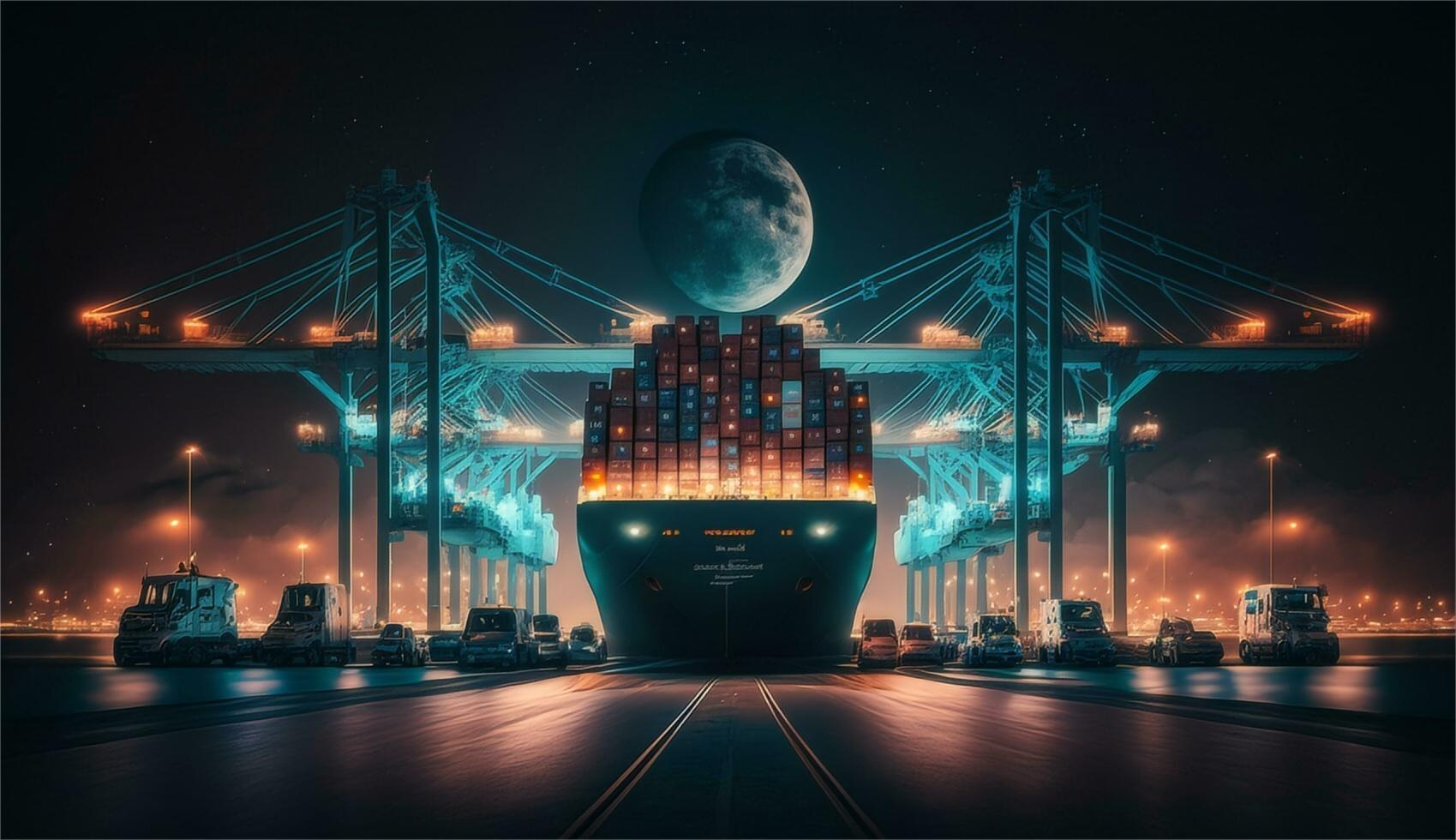
Transport Mode Selection and Route Gateway Logic for shipping from USA to Germany sea freight rates
Selecting the correct gateway is a strategic decision that impacts both transit time and drayage costs. Major U.S. ports like New York/New Jersey, Savannah, and Norfolk serve as primary departure points for eastbound transatlantic traffic. On the German side, Hamburg remains the largest hub, offering extensive rail and road connectivity to the rest of Europe. Choosing the right pair of ports is fundamental to optimizing your supply chain efficiency.
The selection process also involves evaluating the choice between direct ocean services and transshipment options. Direct routes generally offer faster transit times and lower risk of cargo handling damage, whereas transshipment routes might offer more competitive pricing at the expense of longer lead times. Logistics providers often evaluate these trade-offs based on the specific cargo profile and the urgency of delivery requirements.
Freight rates are further influenced by the choice of inland transit. Utilizing intermodal rail or dedicated drayage services to reach the port of origin is a significant component of the total landed cost. A well-integrated logistics strategy ensures that every leg of the journey—from warehouse to vessel and from port to final distribution center—is accounted for in the overall service delivery.
| Method | Cost Level | Transit Time | Best For |
|---|---|---|---|
| Ocean FCL | Low | 14-22 Days | Full container loads |
| Ocean LCL | Medium | 18-28 Days | Small volume cargo |
| Air Freight | High | 3-7 Days | Urgent/High value |
FCL vs LCL and Cargo Configuration Breakdown
The choice between Full Container Load (FCL) and Less than Container Load (LCL) is the most significant decision for any shipper. FCL is typically more cost-effective for large shipments as it provides dedicated space, reducing the risk of cargo damage and simplifying the handling process. For high-volume exporters, FCL represents the industry standard for maintaining consistent transit times and minimizing the handling complexity associated with multi-client containers.
Conversely, LCL is designed for shippers who do not have enough cargo to fill a standard 20-foot or 40-foot container. By sharing the container space with other shippers, businesses can access the benefits of sea freight at a fraction of the cost of a full container. However, LCL requires more robust packaging because the goods will be consolidated and deconsolidated at various hubs, increasing the risk of handling-related incidents.
VeloTactics Logistics provides expert guidance on container utilization to ensure that your logistics services are tailored to your volume. Whether you are shipping standard pallets or irregular project cargo, optimizing your cargo configuration is essential for reducing volumetric weight charges and maximizing container capacity. Proper packing and documentation are crucial for avoiding unnecessary delays during the consolidation process.
Transit-Time Architecture and Port-to-Port Delivery Matrix
The transit time for shipping from the USA to Germany is influenced by terminal congestion, vessel speed, and weather conditions. While ocean carriers provide estimated dates of arrival, it is prudent to factor in a buffer for potential port delays. In 2026, the industry continues to see a focus on vessel scheduling efficiency to manage fuel consumption and environmental compliance, which can occasionally impact transit schedules.
Port-to-port transit times typically range from two to three weeks depending on the specific route and carrier. Factors such as vessel routing, the number of stops, and port congestion at the origin or destination play a major role. Understanding these variables allows importers to align their inventory replenishment cycles with the reality of ocean transport, preventing stockouts and ensuring seamless distribution.
Freight rates are subject to change based on carrier capacity, fuel costs, market demand, and seasonal fluctuations. Contact VeloTactics Logistics for an up-to-date quotation.
| Route | Method | Typical Days | Notes |
|---|---|---|---|
| East Coast USA to Hamburg | Ocean FCL | 14-18 Days | Fastest lane |
| West Coast USA to Hamburg | Ocean FCL | 28-35 Days | Via Panama Canal |
| USA to Germany | Air Freight | 3-5 Days | Priority service |
Landed Cost Anatomy and Destination Port Surcharges
Calculating the total landed cost involves more than just the base ocean freight rate. It includes inland haulage, terminal handling charges (THC), documentation fees, and customs clearance costs. Destination port surcharges in Germany can vary significantly based on the terminal chosen and the specific nature of the cargo. Being aware of these ancillary costs is critical for maintaining accurate profit margins.
Fuel surcharges and General Rate Increases (GRI) are common in the shipping industry and can fluctuate rapidly. These are often applied by carriers to cover rising operational costs, such as bunker fuel prices or port labor disputes. A transparent logistics partner will provide a detailed breakdown of these costs during the quoting process to avoid surprises upon arrival at the destination port.
Beyond these fees, one must also account for cargo insurance. While carriers have limited liability, comprehensive cargo insurance is highly recommended to protect against loss or damage during the long journey across the Atlantic. At VeloTactics Logistics LLC, we help clients navigate these financial components to provide a clear picture of their true landed costs.
Customs Clearance, Regulatory Compliance, and Required Documents
Successful customs clearance in Germany requires meticulous preparation of documentation. The European Union has strict import regulations, and non-compliance can lead to significant delays, fines, or seizure of goods. Essential documents include the Commercial Invoice, Packing List, Bill of Lading, and, where applicable, Certificates of Origin. Ensuring these documents are accurate and complete is the responsibility of the exporter or their designated agent.
The EORI (Economic Operators Registration and Identification) number is mandatory for any business importing into the European Union. Without this registration, the customs process cannot proceed, leading to potential demurrage and detention charges. It is critical to work with an experienced customs broker who understands the specific harmonized system codes and the duty requirements for your specific products.
Freight rates are subject to change based on carrier capacity, fuel costs, market demand, and seasonal fluctuations. Contact VeloTactics Logistics for an up-to-date quotation.
| Document | Purpose | Requirement |
|---|---|---|
| Commercial Invoice | Value/Description | Mandatory |
| Bill of Lading | Title of Goods | Mandatory |
| Packing List | Quantity/Weight | Mandatory |
| EORI Number | EU Import ID | Mandatory |
Seasonality, Carrier GRI, and Peak Disruption Management
The shipping industry is inherently seasonal, with peak volumes typically occurring before major holidays and retail events. During these periods, carrier space becomes limited, and freight rates often experience significant increases. Effective planning involves booking space well in advance and working with a forwarder who has established relationships with major carriers to secure capacity even during high-demand windows.
General Rate Increases (GRI) are frequently implemented by ocean carriers to adjust to market conditions. These increases are often announced with short notice, requiring agility from shippers. By staying informed about market intelligence and industry benchmarks, businesses can better anticipate these changes and negotiate more effectively. A proactive approach to capacity management is the key to minimizing the impact of these market disruptions.
Furthermore, managing peak disruptions requires a strategy that includes contingency planning. Whether it is port strikes, weather-related delays, or equipment shortages, having a backup plan is essential. Our blog provides regular updates on these industry trends to help our clients make informed decisions and maintain a resilient supply chain.
Step-by-Step Logistics SOP: From Factory Booking to Final Delivery
A standardized operating procedure (SOP) ensures consistency and reduces the likelihood of errors. The process begins with the initial booking, where cargo details, Incoterms, and schedules are finalized. Once the booking is confirmed, the cargo is either picked up via drayage or delivered to the port of origin. At each stage, rigorous tracking and communication are maintained to ensure visibility.
Upon arrival at the destination port, the customs clearance process must be initiated immediately to avoid storage fees. Once cleared, the cargo is transported to its final destination via trucking or rail. Throughout the entire process, documentation must be audited to ensure that every step complies with international and local regulations, providing a seamless transition from factory to customer.
At VeloTactics Logistics, we emphasize the importance of this structured approach to provide our clients with peace of mind. By managing the complexities of the supply chain, we allow our clients to focus on their core business activities. Our expertise in end-to-end logistics ensures that your cargo is handled with the highest level of professional care.
Mastering Transatlantic Shipping
Successfully managing shipping from USA to Germany sea freight rates requires a combination of strategic planning, market awareness, and a reliable logistics partner. By understanding the intricacies of transport modes, customs regulations, and market volatility, businesses can optimize their supply chain for both cost and efficiency. As we look toward the future of trade, the importance of agility and expertise cannot be overstated.
VeloTactics Logistics is dedicated to providing the support and infrastructure necessary for your business to thrive in the competitive transatlantic market. Whether you are expanding your reach or optimizing existing distribution channels, our team is here to assist. Contact us today to discuss your specific logistics needs and discover how our expertise can drive your success.
Freight rates are subject to change based on carrier capacity, fuel costs, market demand, and seasonal fluctuations. Contact VeloTactics Logistics for an up-to-date quotation.