
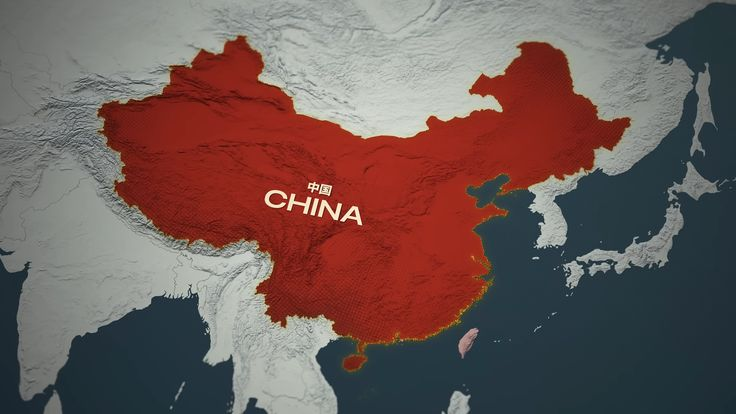
Reliable, cost-effective, and professionally coordinated logistics solutions by Velotac Logistics from China to the United States.
Velotac Logistics provides door-to-door freight services from major China ports to destinations across the USA, including ocean freight, air freight, customs clearance, warehousing, drayage, and final delivery.
Supported by strong carrier partnerships and integrated U.S. logistics networks, we ensure stable transit times, secure cargo handling, and flexible shipping solutions tailored to global supply chain needs.
Your Logistics Needs, Our Expertise.
Building a Resilient Supply Chain Through Partnership.

Why Choose Velotaclogistics
Worldwide Port Coverage Overview
📍Yangtze River Delta: Port of Shanghai, Port of Ningbo-Zhoushan
📍Pearl River Delta: Port of Shenzhen, Port of Guangzhou
📍Bohai Rim: Port of Tianjin, Port of Qingdao
📍Southeast Coast (Supplementary): Port of Xiamen
SERVICE TIERS
Transportation Service Categories

Fast and reliable air freight service with 2–7 days transit time from China to the USA. We work with DHL, FedEx, and UPS to ensure stable and efficient delivery.
Ideal for e-commerce, samples, and time-sensitive cargo requiring fast customs clearance and stable delivery.
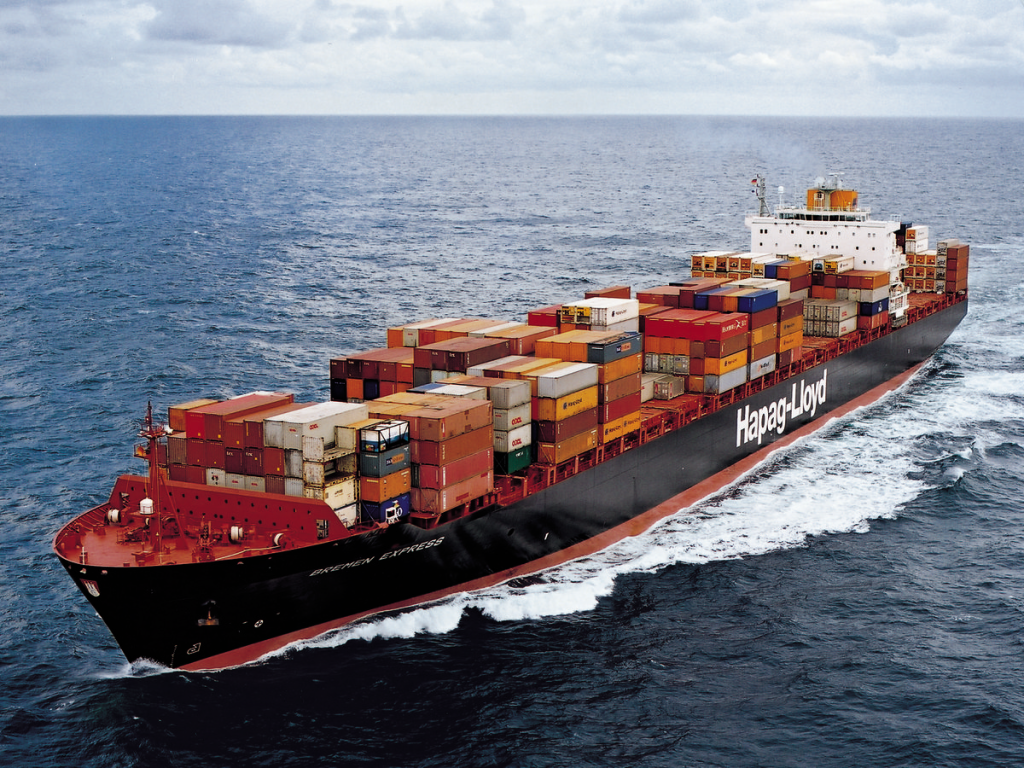
Cost-effective and stable ocean freight service for bulk cargo shipping from China to the USA.
Ideal for businesses seeking lower shipping costs with reliable container shipping and full customs support.
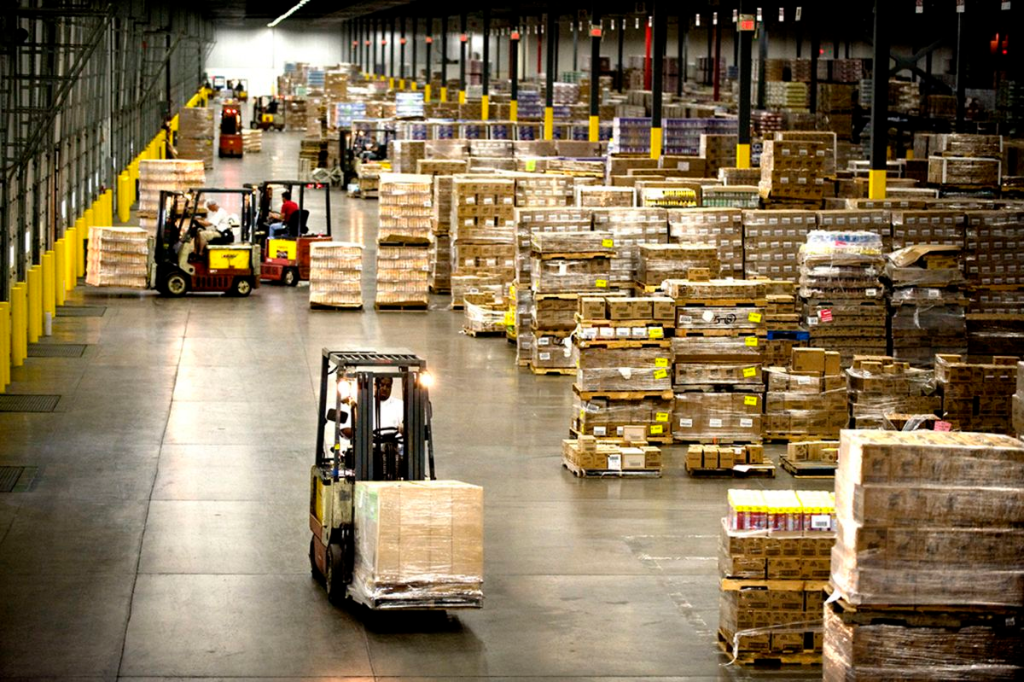
Flexible and secure warehousing solutions to support your global supply chain.
Ideal for businesses needing efficient storage, faster order processing, and smoother international shipping operations.
Reliable short-distance container transport connecting ports, rail yards, and warehouses across the United States.
Ideal for moving containers quickly after ocean freight to ensure smooth customs release and efficient inland delivery.
OPERATIONAL EXCELLENCE
Our Shipping Process
Provide shipment details including weight/volume and routing preferences. We confirm optimal carriers and schedules to ensure lead-time stability.
Cargo is transferred onto contracted flights. We monitor real-time schedules and provide milestone updates throughout the transit phase.
Cargo is collected or received at Velotaclogistics hubs. Our team performs measurement, repacking, and precise labeling while preparing export documentation.
Arrival at U.S. hubs (LAX/SFO/ORD). Bonded handling and coordinated clearance through licensed brokers precede pallet breakdown.
Compliant export filing for all express and special-line shipments, managed through standardized digital workflows to prevent origin delays.
Seamless transition to last-mile carriers. Full visibility remains active from initial pickup to the final milestone at destination.
Shipments are often held due to document inconsistencies, unclear product descriptions, or risk-based inspections triggered by customs algorithms. Even minor mismatches between invoice, packing list, and declared HS codes can cause delays. Using accurate classification and consistent documentation reduces inspection probability significantly in international import processes.
Duty increases usually come from incorrect HS code classification or customs revaluation of declared goods. If U.S. Customs believes the declared value is too low compared to market benchmarks, they may adjust it upward. This leads to higher duties, delays, and possible penalties for repeated undervaluation issues.
Even when paperwork is complete, delays can occur due to customs inspection queues, port congestion, or targeted cargo screening. High-volume periods or flagged product categories often extend clearance time. Coordination between freight forwarders and customs brokers becomes critical to reduce waiting time at entry ports.
Demurrage occurs when containers stay at the port beyond free time, while detention applies when containers are held outside the port too long. Poor coordination in pickup scheduling, customs delays, or trucking shortages often lead to these costly fees in international ocean freight operations.
Cargo splitting happens when containers are overbooked, space is limited, or goods require different handling or inspection categories. Carriers may also separate shipments based on weight distribution or scheduling constraints. This can increase costs and complicate customs clearance and last-mile delivery coordination.
Cargo damage often results from poor packaging, moisture exposure, container shifting, or improper pallet stacking. Ocean freight is especially vulnerable to humidity and pressure changes. Without proper protective materials and secure loading, goods may arrive damaged even when transportation itself is stable.
HS code rejection occurs when product descriptions are vague or incorrectly mapped to tariff categories. Customs officers may reclassify goods if they believe the classification does not match functionality or material composition. This affects duty rates and may require additional documentation or product clarification.
Warehouse receiving errors often come from mislabeled cartons, missing ASN documents, or barcode inconsistencies. When inbound shipments do not match pre-alert data, warehouses may reject or partially receive goods. This disrupts inventory systems and delays downstream distribution and trucking schedules.
Air freight may be downgraded due to space constraints, weight imbalances, or priority allocation to higher-value cargo. During peak seasons, airlines sometimes offload non-urgent shipments to later flights. Proper booking confirmation and carrier agreements help reduce the risk of unexpected rerouting or delays.
ISF (Importer Security Filing) penalties occur when filings are late, incomplete, or inaccurate. Missing container details, seller information, or consignee data can trigger fines. Since ISF must be submitted before vessel departure, timing and accuracy are critical in avoiding U.S. customs compliance issues.