
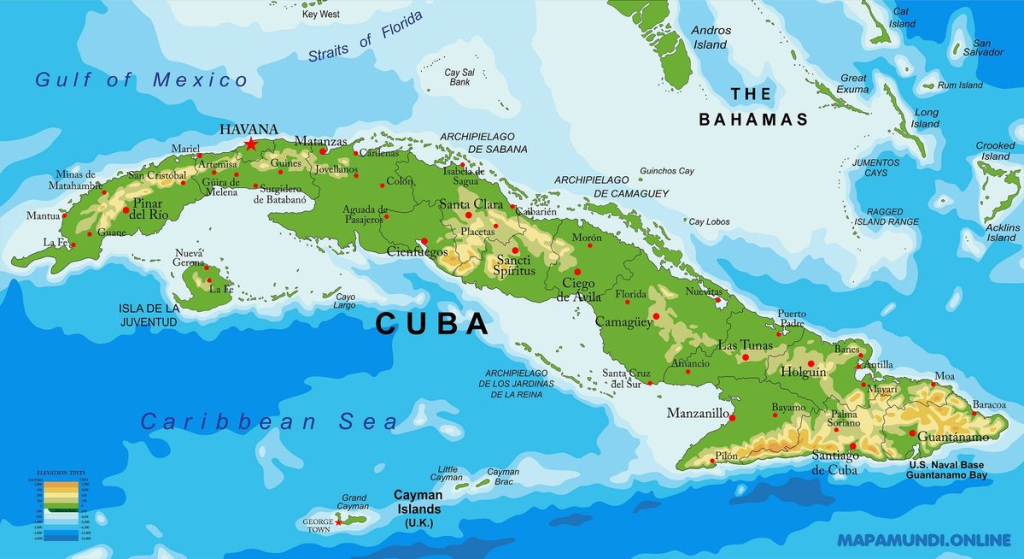
Reliable, cost-effective, and professionally coordinated logistics solutions by Velotac Logistics for shipping from Cuba to the United States.
Velotac Logistics provides door-to-door freight services from major locations in Cuba to destinations across the USA, including ocean freight, air freight, customs clearance, warehousing, drayage, and final delivery.
Supported by strong carrier partnerships and integrated U.S. logistics networks, we ensure stable transit times, secure cargo handling, and flexible shipping solutions tailored to cross-border Cuba–USA supply chain requirements.
Your Logistics Needs, Our Expertise.
Building a Resilient Supply Chain Through Partnership.
Why Choose Velotaclogistics
Worldwide Port Coverage Overview
🚢 Deep-water / Major Container Ports
Port of Mariel
Port of Havana
🚢 Regional Hub Ports
Port of Santiago de Cuba
Port of Cienfuegos
🚢 Industrial Ports
Port of Matanzas
Port of Nuevitas
SERVICE TIERS
Transportation Service Categories

Fast international air shipping service with typical 3–7 business days transit time from Cuba to the United States. Due to limited direct routing, shipments are usually processed through international transit hubs.
Ideal for time-sensitive shipments requiring fast delivery and efficient customs clearance.
Cost-effective ocean freight service for bulk cargo shipping from Cuba to the United States. Routes are typically handled via transshipment through nearby regional hubs before arriving in the USA.
Ideal for businesses seeking low-cost container shipping with stable ocean freight schedules and standard customs clearance support.
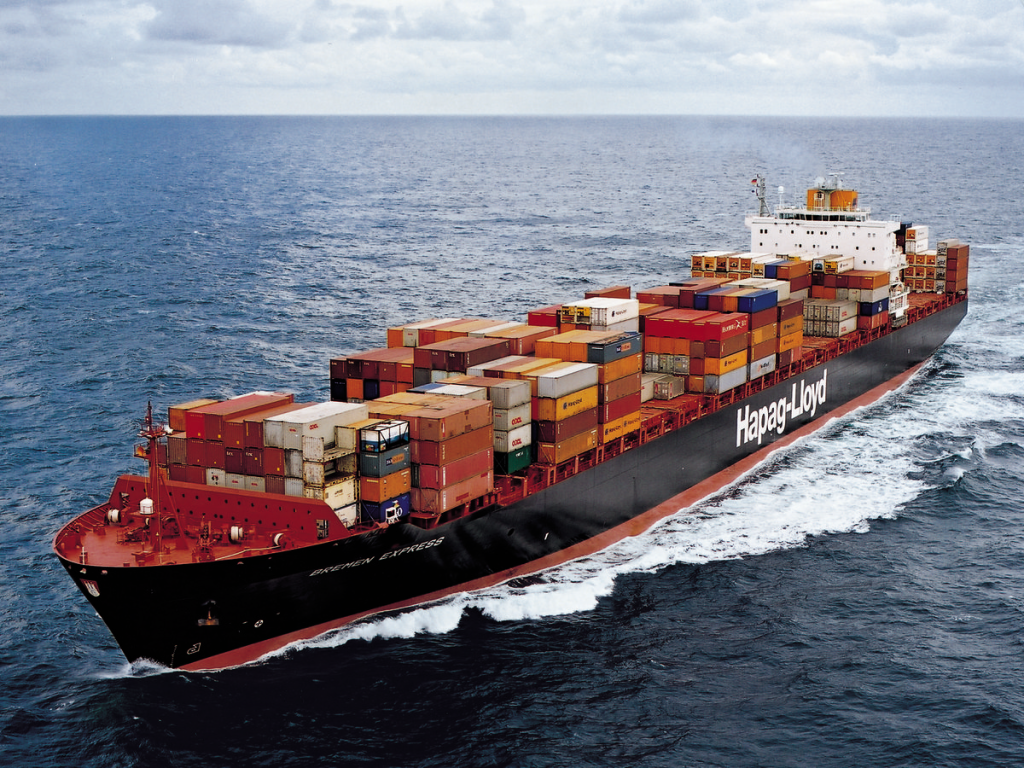
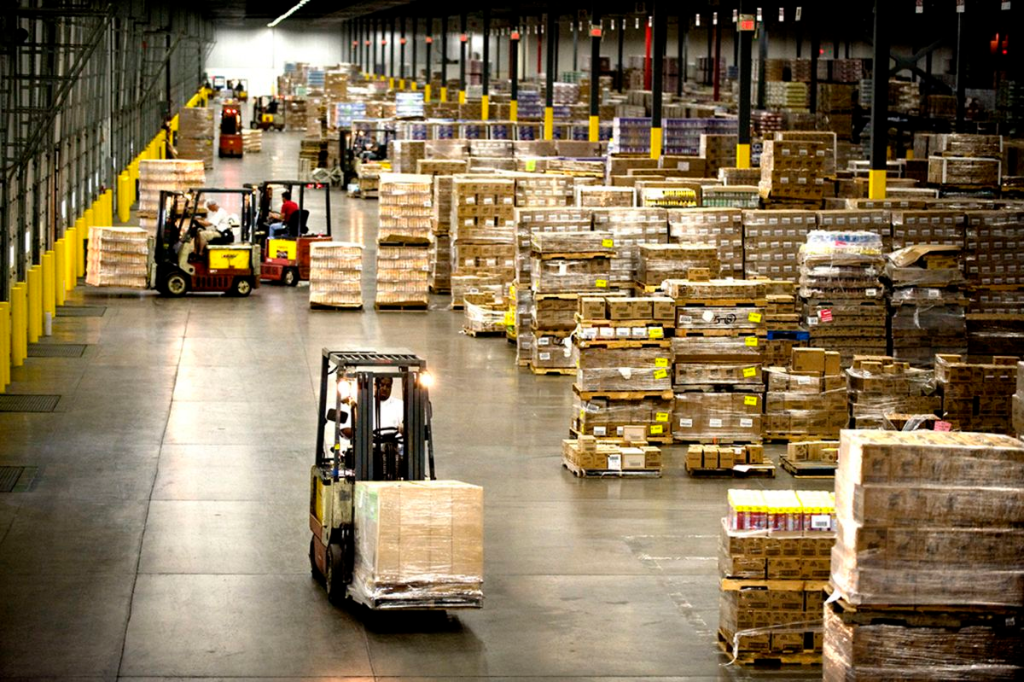
Flexible and secure warehousing solutions supporting Cuba–USA cross-border logistics operations.
Ideal for improving shipment efficiency, reducing handling time, and supporting smoother international freight movement.
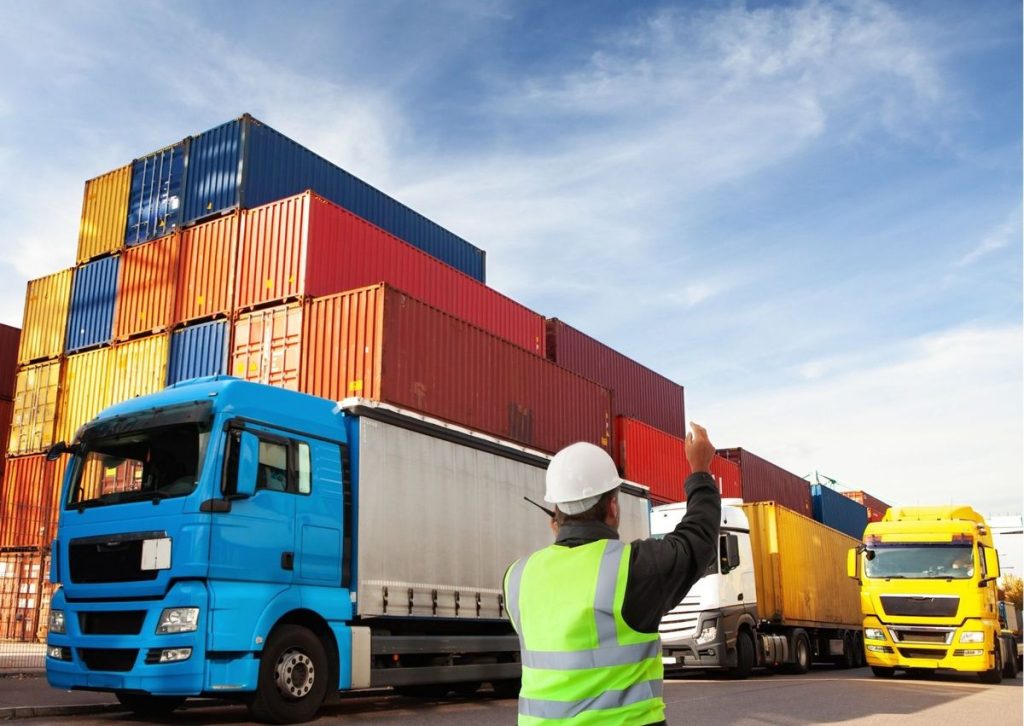
Short-distance container trucking service connecting US ports with nearby warehouses, rail yards, and distribution centers.
Ideal for moving containers quickly after customs release to ensure smooth inland delivery and efficient supply chain flow.
OPERATIONAL EXCELLENCE
Our Shipping Process
Provide shipment details including weight/volume and routing preferences. We confirm optimal carriers and schedules to ensure lead-time stability.
Cargo is transferred onto contracted flights. We monitor real-time schedules and provide milestone updates throughout the transit phase.
Cargo is collected or received at Velotaclogistics hubs. Our team performs measurement, repacking, and precise labeling while preparing export documentation.
Arrival at U.S. hubs (LAX/SFO/ORD). Bonded handling and coordinated clearance through licensed brokers precede pallet breakdown.
Compliant export filing for all express and special-line shipments, managed through standardized digital workflows to prevent origin delays.
Seamless transition to last-mile carriers. Full visibility remains active from initial pickup to the final milestone at destination.
Shipping between Cuba and the United States operates under highly regulated conditions due to strict embargo controls and licensing requirements. Logistics providers must ensure all cargo qualifies under permitted categories such as humanitarian, informational, or authorized commercial goods. Warehouses carefully verify documentation, including export permissions and supporting certificates, before any movement. Any inconsistency can result in shipment holds or rejection at U.S. entry points. Coordination between air, sea, and warehousing services focuses heavily on compliance screening to ensure cargo meets legal entry conditions into the United States.
Export shipments from Cuba require valid government-issued authorization depending on cargo type. If licensing documents are missing or incomplete, shipments may be held in warehouse storage until corrections are made. Logistics providers verify paperwork before loading to ensure alignment with U.S. import restrictions and carrier requirements. Customs brokers may request additional verification of origin, purpose, and end-user details. Without proper licensing, cargo cannot proceed, and warehouses must maintain secure storage until all compliance requirements are fully satisfied.
Yes, due to regulatory constraints, some shipments may pass through third-country consolidation hubs before reaching the United States. This can affect tracking visibility and require enhanced documentation continuity. Logistics providers ensure chain-of-custody records remain intact across all transit points. Warehouses and freight coordinators maintain updated manifests to prevent misclassification or data gaps. Proper coordination across sea and air freight networks is essential to ensure cargo integrity and compliance during multi-leg routing scenarios.
Humanitarian shipments, including medical supplies, food aid, and emergency relief goods, are often prioritized under specific regulatory allowances. Logistics providers expedite warehousing, documentation verification, and carrier coordination for such cargo. Each shipment must still meet compliance requirements and be clearly classified to avoid delays. Warehouses ensure proper labeling and separation from commercial goods. Priority handling ensures faster processing while maintaining strict adherence to U.S. import regulations and oversight requirements.
Pharmaceutical shipments require compliance with both Cuban export controls and U.S. FDA import regulations. Any mismatch in labeling, batch documentation, or certification can cause inspection delays or rejection. Warehouses verify temperature control records, packaging integrity, and licensing documents before shipment. Logistics providers ensure that only approved pharmaceutical categories proceed through air or sea freight channels. Strict handling reduces risk of regulatory non-compliance during customs clearance in the United States.
Yes, Cuba’s tropical climate can lead to humidity-related packaging issues such as mold, swelling, or carton weakening. Warehouse inspections identify these risks before export processing. If damage is detected, goods may be repackaged, dried, or moved into controlled storage environments. Logistics providers implement moisture protection measures during warehousing and transport preparation. This ensures cargo stability during long-distance movement toward the United States under strict handling conditions.
Electronics require careful protection due to humidity, temperature fluctuations, and vibration during inland transport. Warehouses use sealed packaging, anti-static materials, and desiccant protection to safeguard sensitive components. Pre-shipment inspection ensures devices are properly secured before transfer to port facilities. These measures reduce the risk of corrosion or malfunction during air or sea freight movement toward the United States.
U.S. regulations may require clear end-user information for certain categories of goods. If invoices are missing this data, shipments may be held for compliance review. Logistics providers coordinate documentation correction and ensure alignment with export authorization requirements. Warehouses verify that all commercial records are complete before dispatch to avoid customs delays or additional inspection procedures upon arrival in the United States.
Yes, trucking within Cuba’s industrial and port zones requires coordination due to regulatory checkpoints and controlled access areas. Logistics providers schedule pickups carefully to align with export authorization timelines. Warehouses act as consolidation points where cargo is inspected, documented, and staged for export. This ensures smooth inland movement despite operational restrictions and compliance requirements.
Perishable goods require continuous temperature control to maintain safety and quality. If cold-chain systems fail, warehouses immediately assess exposure duration and product condition. Depending on severity, goods may be re-cooled, repackaged, or deemed unsuitable for export. Temperature logs are reviewed to ensure compliance with U.S. food safety standards. Only verified safe products are allowed to proceed through export channels.
Cultural artifacts and commercial goods follow different classification and regulatory pathways. Mixing them in one shipment can create customs delays or inspection requirements. Warehouses separate cargo types, verify documentation accuracy, and ensure proper labeling before export. This reduces compliance risks and ensures smoother processing under U.S. import control systems.
Yes, warehousing services provide secure storage while customs or licensing authorities complete verification processes. Goods remain tracked, sealed, and fully documented during holding periods. This ensures cargo integrity while compliance checks are completed, preventing disruptions in logistics flow across sea and air transport channels.