
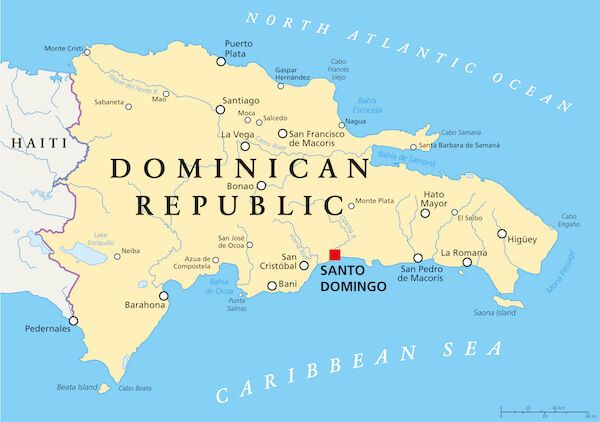
Reliable, cost-effective, and professionally coordinated logistics solutions by Velotac Logistics from the Dominican Republic to the United States.
Velotac Logistics provides door-to-door freight services from major Dominican Republic ports to destinations across the USA, including ocean freight, air freight, customs clearance, warehousing, drayage, and final delivery.
Supported by strong carrier partnerships and integrated U.S. logistics networks, we ensure stable transit times, secure cargo handling, and flexible shipping solutions tailored to global supply chain needs.
Your Logistics Needs, Our Expertise.
Building a Resilient Supply Chain Through Partnership.
Why Choose Velotaclogistics
Worldwide Port Coverage Overview
🚢 Commercial / Main Container Ports
Port of Haina
DP World Caucedo
🚢 Cruise / Tourism Ports
Port of Santo Domingo
Port of Puerto Plata
Port of La Romana
🚢 Industrial / Bulk Cargo Ports
Port of Manzanillo
SERVICE TIERS
Transportation Service Categories

Fast and reliable air freight service with 2–7 days transit time from Dominican Republic to the USA. We work with major carriers such as DHL, FedEx, and UPS to ensure stable and efficient delivery.
Ideal for e-commerce, samples, and time-sensitive cargo requiring fast customs clearance and stable delivery.
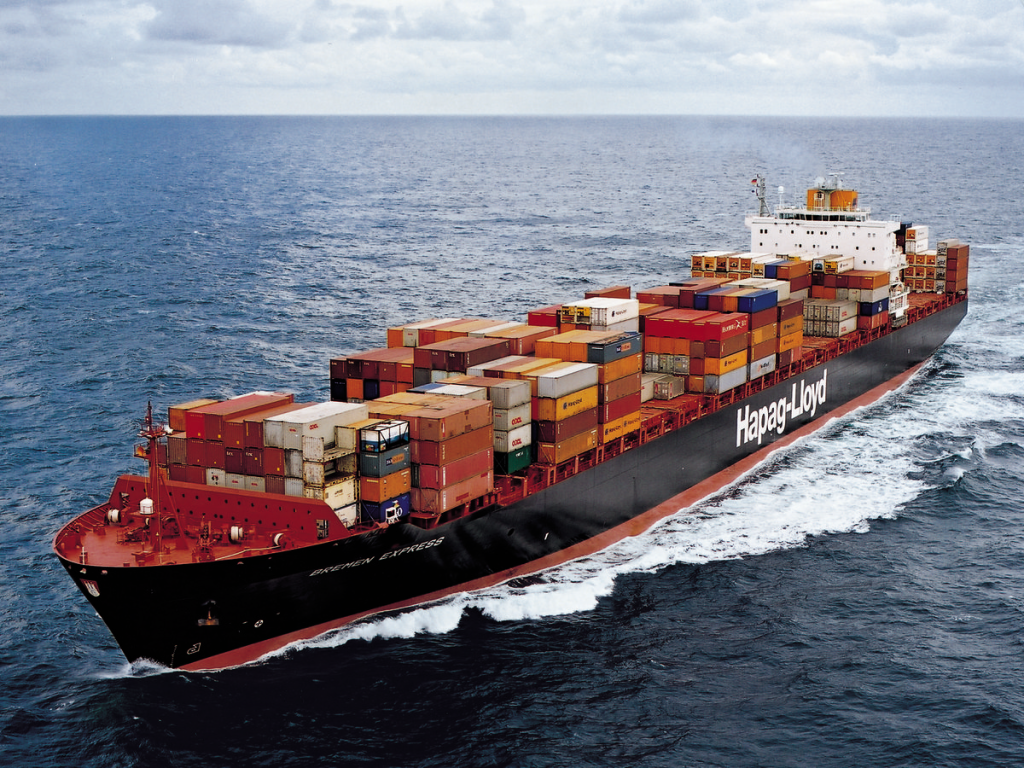
Cost-effective and stable ocean freight service for bulk cargo shipping from Dominican Republic to the USA.
Ideal for businesses seeking lower shipping costs with reliable container shipping and full customs support.
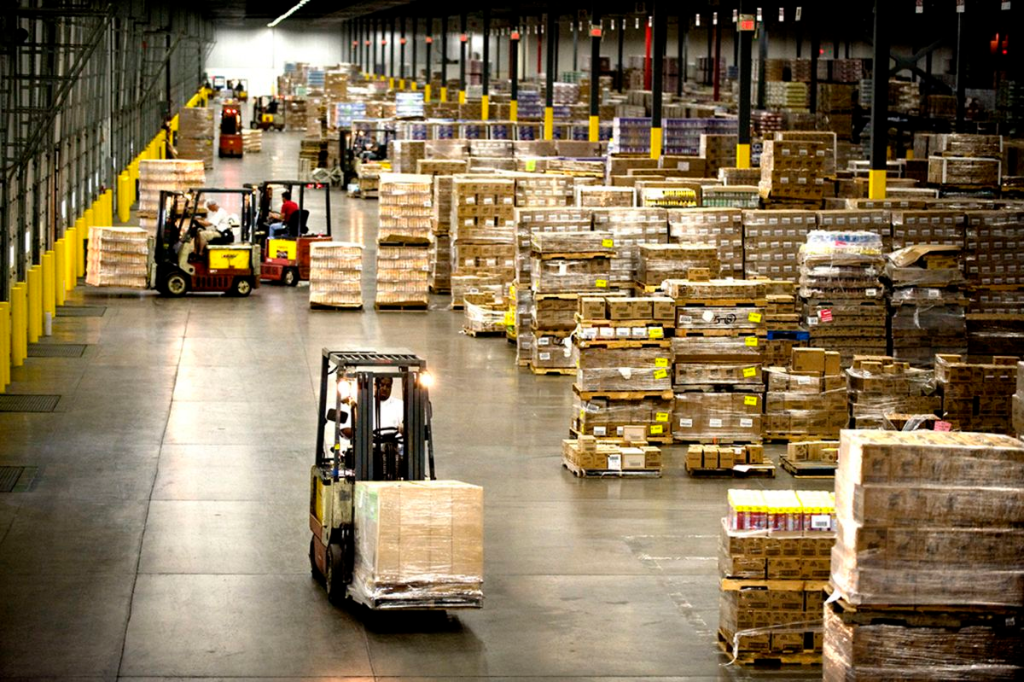
Flexible and secure warehousing solutions to support your global supply chain.
Ideal for businesses needing efficient storage, faster order processing, and smoother international shipping operations.
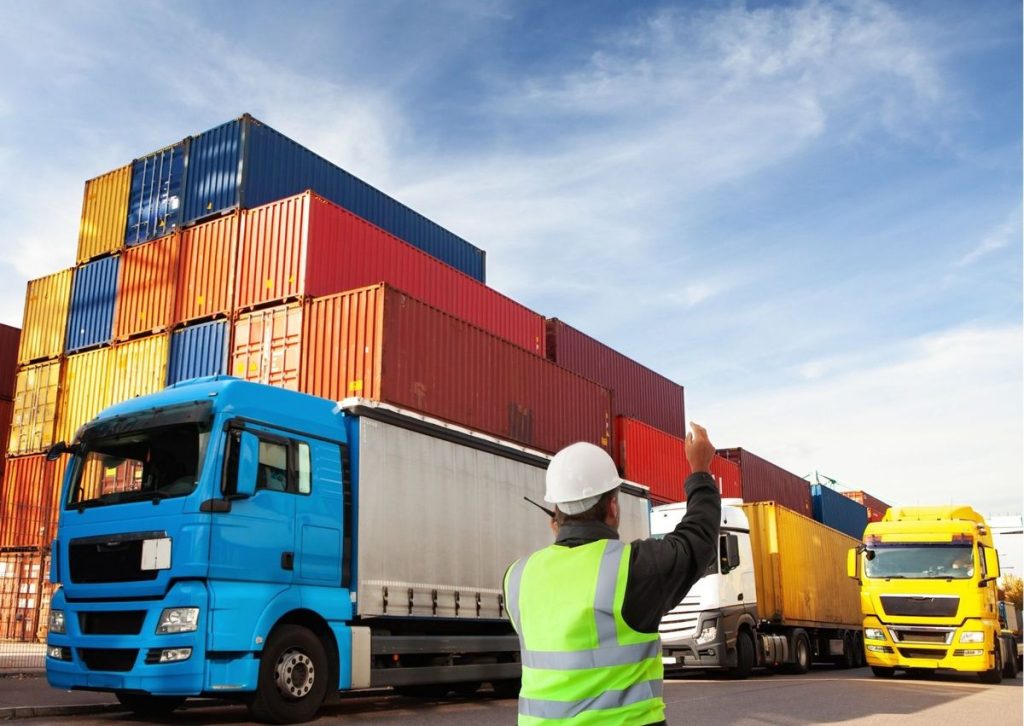
Reliable short-distance container transport connecting ports, rail yards, and warehouses across the United States.
Ideal for moving containers quickly after ocean freight to ensure smooth customs clearance and efficient inland delivery.
OPERATIONAL EXCELLENCE
Our Shipping Process
Provide shipment details including weight/volume and routing preferences. We confirm optimal carriers and schedules to ensure lead-time stability.
Cargo is transferred onto contracted flights. We monitor real-time schedules and provide milestone updates throughout the transit phase.
Cargo is collected or received at Velotaclogistics hubs. Our team performs measurement, repacking, and precise labeling while preparing export documentation.
Arrival at U.S. hubs (LAX/SFO/ORD). Bonded handling and coordinated clearance through licensed brokers precede pallet breakdown.
Compliant export filing for all express and special-line shipments, managed through standardized digital workflows to prevent origin delays.
Seamless transition to last-mile carriers. Full visibility remains active from initial pickup to the final milestone at destination.
Free zone shipments in the Dominican Republic often involve different documentation standards compared with regular export cargo. When inconsistencies appear between free zone certificates, invoices, or customs declarations, U.S. customs may pause clearance for verification. Warehouses help reconcile all records by matching product origin, HS codes, and declared values. They also coordinate with customs brokers to correct paperwork before export departure. Proper alignment ensures cargo retains duty eligibility and avoids delays during U.S. import inspection procedures.
Premium cigar exports require strict humidity and aging documentation to verify quality consistency. If storage logs are missing or incomplete, customs or importers may question product authenticity or handling conditions. Warehouses maintain controlled environment records and verify batch tracking before export. Without these documents, shipments can face inspection delays or buyer rejection. Proper documentation ensures compliance with luxury tobacco import expectations and supports smooth clearance into the United States market.
Yes, agricultural goods can face delays if phytosanitary certificates do not match shipment details such as crop type, origin farm, or packaging format. U.S. authorities may request re-inspection or additional certification if discrepancies are found. Warehousing teams cross-check certificates against physical cargo before export to ensure accuracy. Correct documentation reduces inspection risks and ensures compliance with U.S. agricultural import safety regulations.
Garment exports from multiple factories may sometimes be consolidated without proper batch separation. This can cause issues in size ratios, labeling consistency, and SKU identification. Warehouses separate production lines, verify packing lists, and standardize labeling before export. If not corrected, customs or retailers may reject shipments due to inconsistencies. Proper sorting ensures smooth clearance and accurate distribution in U.S. retail supply chains.
Rum exports require precise alignment between commercial invoices, customs declarations, and alcohol content records. If discrepancies exist, customs authorities may reassess duties or request clarification from suppliers. Warehouses verify labeling, batch numbers, and declared values before export. Ensuring document consistency reduces the risk of customs audits and supports smooth entry into U.S. alcohol import channels.
Yes, warehouse inspections in the Dominican Republic frequently check for humidity-related risks such as mold or packaging degradation. Tropical conditions can accelerate moisture damage if storage is not properly controlled. Warehouses use ventilation systems, dehumidifiers, and protective wrapping to reduce risk. Early detection allows repackaging or treatment before export, ensuring cargo remains compliant with U.S. import quality standards.
Electronics are highly sensitive to humidity and temperature fluctuations during inland transportation. Warehouses use anti-static packaging, sealed containers, and moisture-absorbing materials to protect goods. Before export, inspections confirm that devices are dry and properly secured. These measures prevent corrosion and functional damage during long-distance shipment to the United States.
Invoices containing mixed Spanish and English descriptions can create confusion during customs classification. Authorities may request clarification or reissue of documentation. Warehouses standardize all product descriptions into clear English aligned with HS codes before export. This ensures consistency across invoices, packing lists, and customs declarations, reducing clearance delays.
Yes, trucking services in the Dominican Republic regularly collect agricultural products from rural farms and cooperatives. Cargo is transported to centralized warehouses for inspection, sorting, and consolidation. This process ensures traceability and accurate documentation before export. It also allows small producers to access international markets without direct logistics infrastructure.
Perishable goods require continuous refrigeration, and any failure can affect product quality. Warehouses monitor temperature logs and immediately assess cargo condition if system interruptions occur. Depending on severity, goods may be re-cooled, repacked, or rejected. Proper cold-chain management ensures compliance with U.S. food safety requirements and prevents border rejection.
Processed and raw food products require different classification codes and safety documentation. Mixing them without separation can cause customs delays or inspection requests. Warehouses separate cargo categories, verify labeling, and align documentation before export. This ensures compliance with U.S. import regulations and improves clearance efficiency.
Yes, goods can be held in bonded or secure warehouses while customs documentation is corrected. This allows exporters to fix errors without interrupting the supply chain. Warehouses maintain inventory tracking and security during storage. Once corrections are completed, cargo can proceed through customs clearance without additional handling complications.
Heavy machinery requires technical documentation including weight, dimensions, and operational specifications. Warehouses inspect equipment, prepare protective crating, and verify export compliance before shipment. Proper preparation ensures safe trucking and international transport while reducing inspection risks during U.S. customs entry.
Conflicting origin certifications may trigger customs verification or agricultural inspection delays. Warehouses reconcile supplier records, verify farm documentation, and correct inconsistencies before export. Accurate origin traceability is essential for compliance with U.S. agricultural import regulations and helps avoid clearance issues.