
Velotac Logistics provides door-to-door freight services from major ports and airports in El Salvador to destinations across the United States, including ocean freight, air freight, customs clearance, warehousing, drayage, and final delivery.
Supported by strong carrier partnerships and integrated U.S. logistics networks, we ensure stable transit times, secure cargo handling, and flexible shipping solutions tailored to international supply chain requirements between El Salvador and the USA.
Your Logistics Needs, Our Expertise.
Building a Resilient Supply Chain Through Partnership.
Why Choose Velotaclogistics
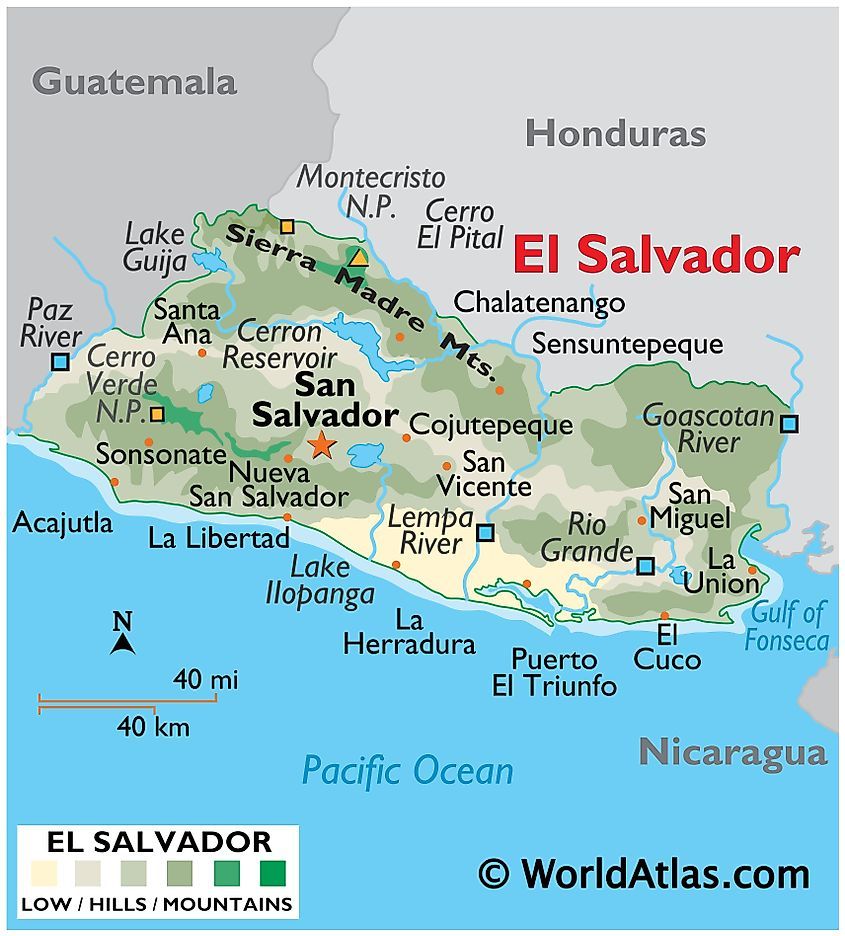
Worldwide Port Coverage Overview
🚢 Commercial / Container Ports
Puerto de Acajutla
Puerto de La Unión
🚢 Tourism / Fishing Ports
Puerto de La Libertad
Puerto El Triunfo
SERVICE TIERS
Transportation Service Categories

Fast and reliable air freight service from El Salvador to the USA with 1–3 days transit time and stable cargo delivery.
Ideal for e-commerce, samples, and time-sensitive cargo requiring fast customs clearance and efficient delivery.
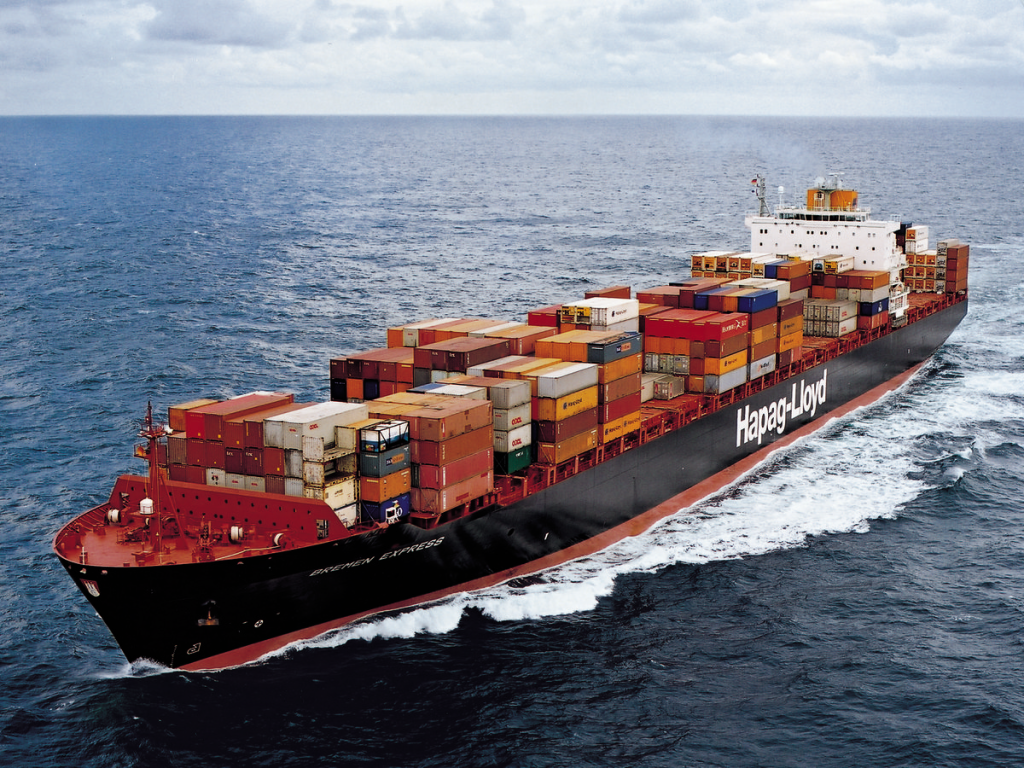
Cost-effective and stable ocean freight service for bulk cargo shipping from El Salvador to the USA.
Ideal for businesses seeking lower shipping costs with reliable container shipping and customs support.
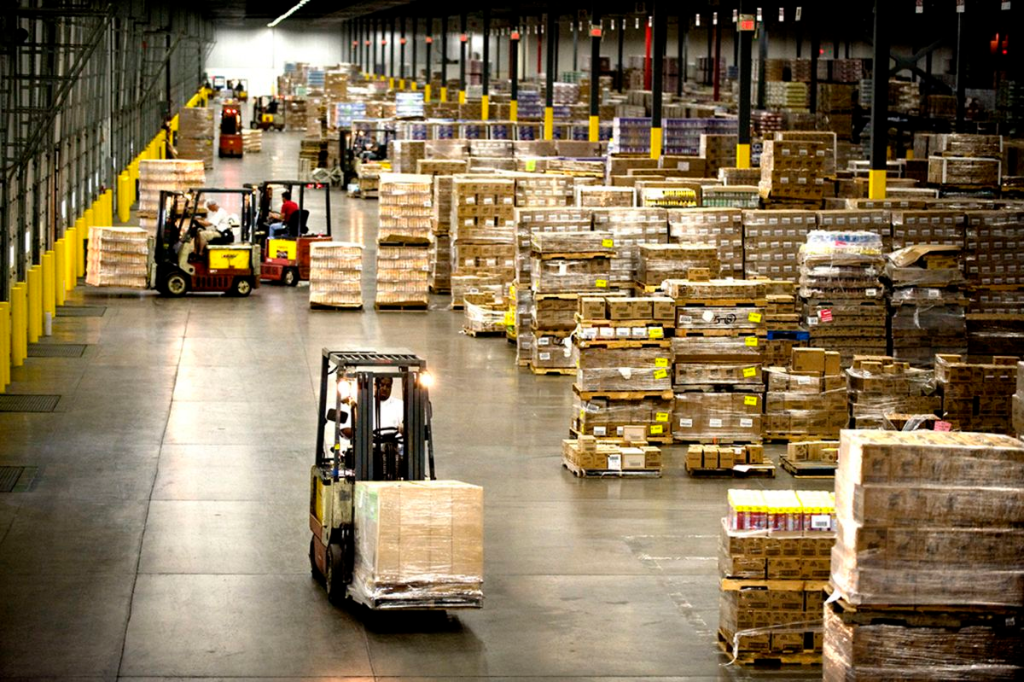
Flexible and secure warehousing solutions supporting international supply chain operations between El Salvador and the USA.
Ideal for businesses needing efficient storage, faster order processing, and smoother logistics flow.
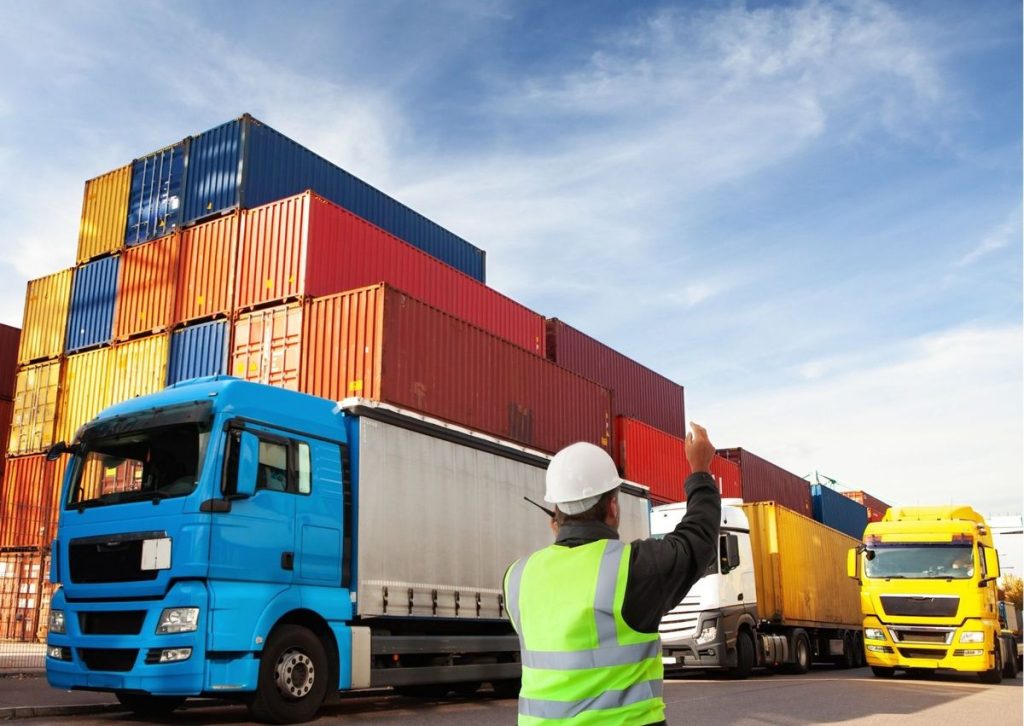
Reliable short-distance container transport connecting ports, rail yards, and warehouses across the United States.
Ideal for moving containers quickly after ocean freight to ensure smooth customs release and efficient inland delivery.
OPERATIONAL EXCELLENCE
Our Shipping Process
Provide shipment details including weight/volume and routing preferences. We confirm optimal carriers and schedules to ensure lead-time stability.
Cargo is transferred onto contracted flights. We monitor real-time schedules and provide milestone updates throughout the transit phase.
Cargo is collected or received at Velotaclogistics hubs. Our team performs measurement, repacking, and precise labeling while preparing export documentation.
Arrival at U.S. hubs (LAX/SFO/ORD). Bonded handling and coordinated clearance through licensed brokers precede pallet breakdown.
Compliant export filing for all express and special-line shipments, managed through standardized digital workflows to prevent origin delays.
Seamless transition to last-mile carriers. Full visibility remains active from initial pickup to the final milestone at destination.
El Salvador coffee exports often require detailed traceability from farm to export lot. Customs or buyers may request farm registry details, processing mill records, and export certification. Warehousing teams verify batch separation and ensure documentation matches physical cargo before shipment. If traceability gaps exist, goods may be held for clarification or reclassification. Proper consolidation and labeling are essential to maintain compliance and preserve premium coffee certification standards for U.S. importers.
El Salvador’s garment industry often produces large volumes across multiple factory lines. When batches are mixed, discrepancies in size, style, or labeling can occur. Warehouse inspection teams separate production lots, verify SKU accuracy, and reconcile packing lists before export. Without proper segmentation, U.S. customs or buyers may reject inconsistent shipments. Accurate batch control ensures smoother clearance and supports retail distribution requirements in the U.S. fashion supply chain.
Yes. Sugar exports require refinery identification, production method details, and quality grading certificates. If documentation is incomplete, U.S. customs may request additional verification or laboratory testing. Warehouses assist by validating packaging labels and ensuring export paperwork matches production records. Proper documentation reduces compliance risks and ensures smooth clearance for bulk agricultural commodities entering the United States.
Agricultural exports from El Salvador may include fruits, vegetables, and processed plant products. These must be separated by category due to differing phytosanitary requirements. Warehouses organize cargo into inspection-ready groups and ensure certification documents match each category. Improper mixing can result in inspection delays or partial shipment rejection. Proper handling ensures compliance with U.S. agricultural import regulations.
Coffee processing machinery may contain residual organic matter that triggers inspection concerns. U.S. customs or agricultural authorities may require cleaning certifications. Warehouses inspect equipment, ensure cleaning compliance, and prepare supporting documentation before export. Failure to meet sanitation requirements may result in delays or additional inspection procedures at the border or port of entry.
Yes. El Salvador’s inland transport routes may expose cargo to vibration, uneven roads, or stacking pressure. Warehouse inspections identify crushed cartons, pallet instability, or weakened packaging. Damaged goods are repackaged or reinforced before export. This helps reduce breakage risk during air freight, ocean freight, or cross-border trucking into the United States.
Humidity in El Salvador can affect electronics during storage and handling. Warehouses use dehumidified storage zones, anti-static packaging, and moisture barrier materials to protect sensitive equipment. Pre-shipment inspection ensures devices are dry, sealed, and properly documented. These precautions help maintain functionality and prevent damage during transit to the U.S. market.
Small suppliers may occasionally use handwritten or informal pricing formats that lack standardized details. Logistics providers convert these into formal commercial invoices with consistent valuation and HS coding. Warehouses verify quantities and product descriptions to ensure accuracy. This reduces customs risks and prevents delays caused by unclear or inconsistent documentation.
Yes. Many exports originate from rural agricultural or manufacturing areas. Trucking services collect cargo from dispersed locations and transport it to central warehouses for consolidation. This system ensures all goods are properly documented and inspected before export. Efficient inland logistics help small producers participate in U.S. supply chains without direct access to port facilities.
Perishable fruit exports require continuous temperature control. If cold-chain interruptions occur, warehouses immediately assess product condition and temperature logs. Depending on severity, cargo may be re-cooled, repacked, or rejected. Proper monitoring ensures compliance with U.S. food safety regulations. Documentation of temperature history is essential for customs and buyer acceptance.
Textile and leather goods require different classification codes and documentation standards. Warehouses separate items, verify material composition, and ensure labeling consistency before export. Mixed shipments without proper segmentation may face customs reclassification or inspection delays. Proper organization ensures smooth clearance and accurate duty assessment in the United States.
Yes. When customs requires additional review, bonded warehouses allow goods to remain securely stored under supervision. This prevents disruption in supply chains while documentation issues are resolved. Logistics providers coordinate with customs brokers to provide required information, ensuring cargo is released efficiently once clearance conditions are met.
Oversized machinery requires dimensional documentation, loading plans, and sometimes special transport permits. Warehouses inspect equipment, prepare crating, and verify weight distribution before export. Proper preparation ensures safe handling during trucking and international transport. Accurate documentation helps avoid delays during U.S. customs inspection of heavy industrial cargo.
Inconsistent translations can lead to confusion during customs inspection. Warehouses standardize product descriptions into clear English terminology aligned with international HS codes. This ensures consistency across labels, invoices, and packing lists. Proper translation reduces classification errors and improves clearance efficiency in the United States.
Logistics providers assist small exporters with warehousing, documentation preparation, cargo inspection, trucking coordination, and customs clearance. These services help businesses comply with U.S. import requirements without internal logistics infrastructure. Support also includes consolidation and labeling standardization, enabling small Salvadoran exporters to compete effectively in U.S. supply chains.