
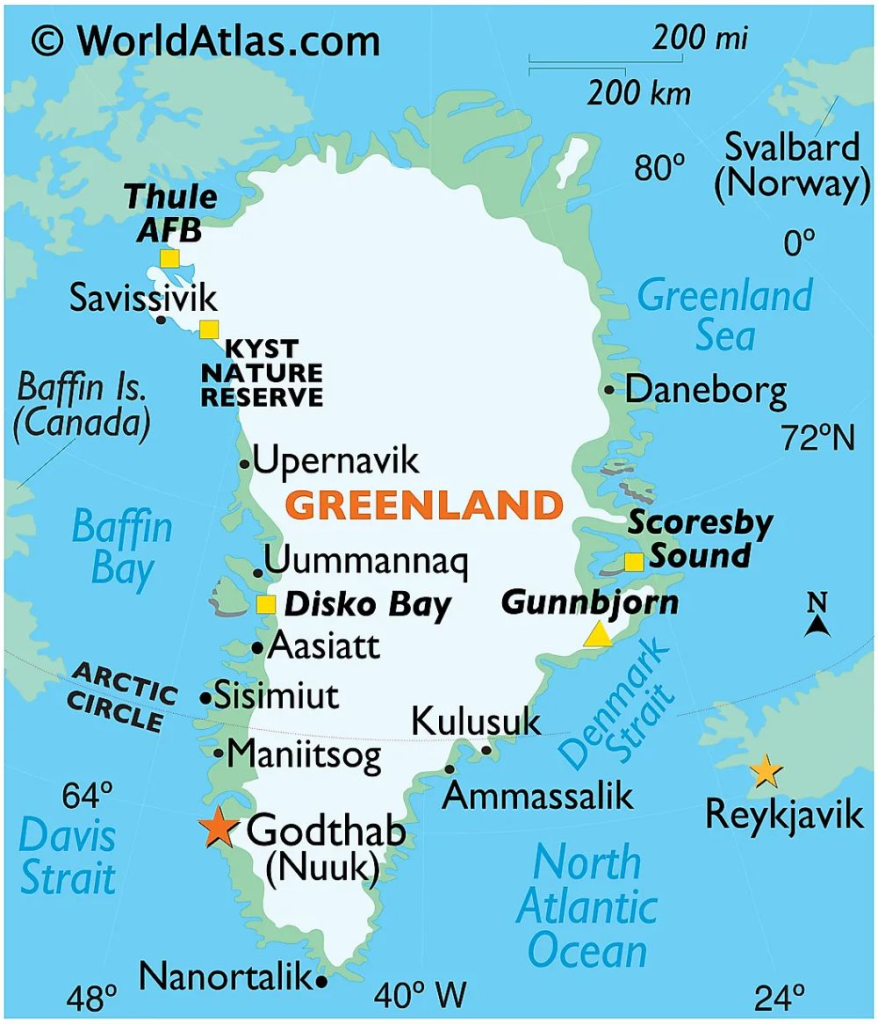
Reliable, cost-effective, and professionally coordinated logistics solutions for Shipping From Greenland To USA.
Velotac Logistics provides door-to-door freight services from Greenland to destinations across the United States, including ocean freight, air freight, customs clearance, warehousing, drayage, and final delivery.
Backed by strong carrier partnerships and an integrated U.S. logistics network, we ensure stable transit times, secure cargo handling, and flexible shipping solutions tailored to global supply chain needs.
Your Logistics Needs, Our Expertise.
Building a Resilient Supply Chain Through Partnership.


Why Choose Velotaclogistics
Worldwide Port Coverage Overview
🚢 Core Commercial Ports
Nuuk Port
Sisimiut Port
🚢 Regional Supply Ports
Aasiaat Port
Qaqortoq Port
🚢 Tourism Port
Ilulissat Port
🚢 Arctic / Remote Ports
Upernavik Port
Nanortalik Port
SERVICE TIERS
Transportation Service Categories

Fast and reliable air freight service with 2–7 days transit time from Greenland to the USA. We work with DHL, FedEx, and UPS to ensure stable and efficient delivery.
Ideal for e-commerce, samples, and time-sensitive cargo requiring fast customs clearance and stable delivery.
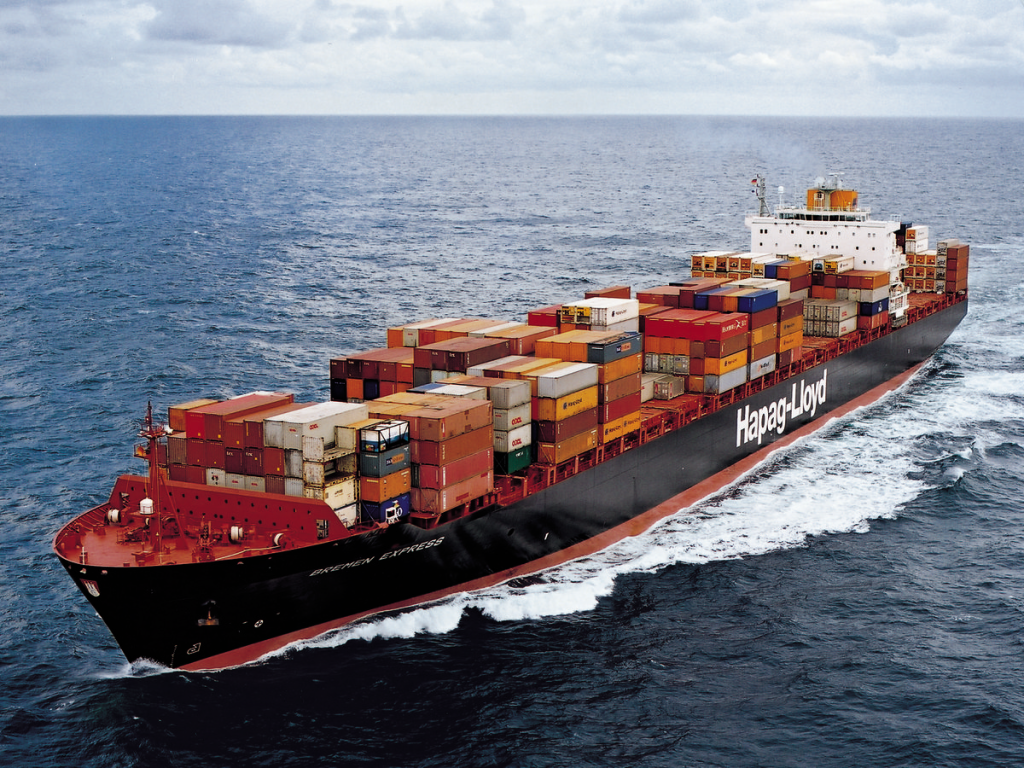
Cost-effective and stable ocean freight service for bulk cargo shipping from Greenland to the USA.
Ideal for businesses seeking lower shipping costs with reliable container shipping and full customs support.
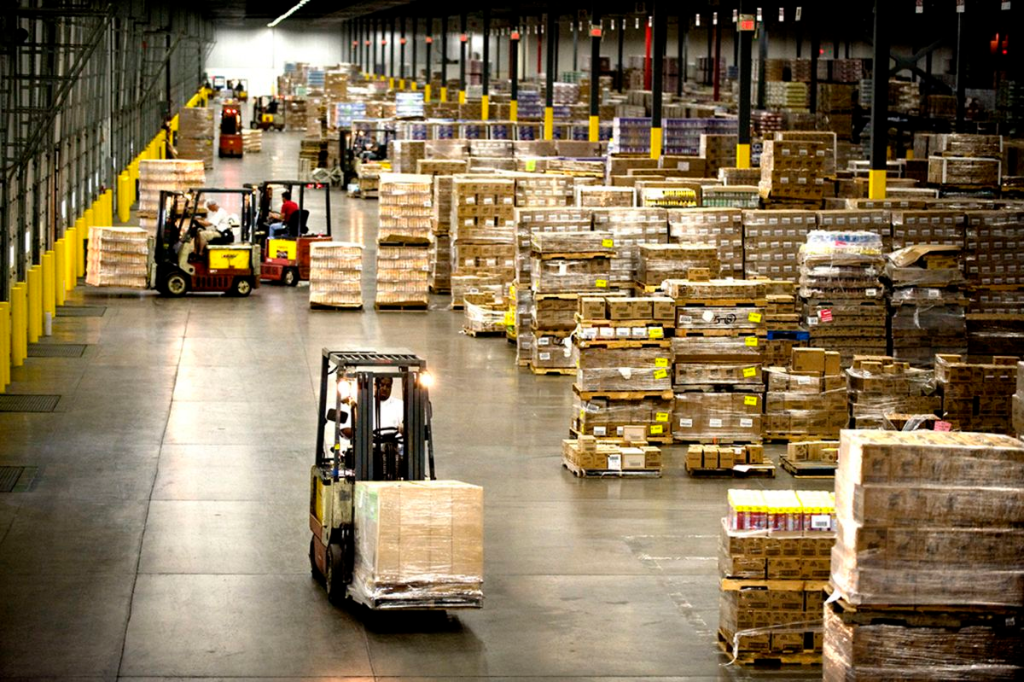
Flexible and secure warehousing solutions to support your global supply chain.
Ideal for businesses needing efficient storage, faster order processing, and smoother international shipping operations.
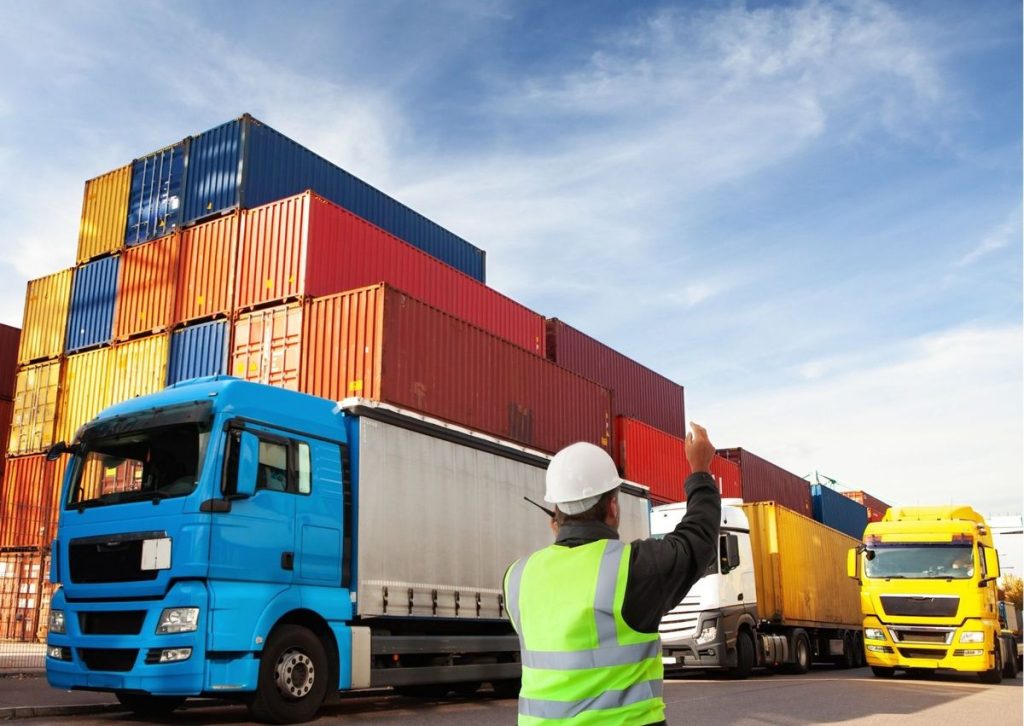
Reliable short-distance container transport connecting ports, rail yards, and warehouses across the United States.
Ideal for moving containers quickly after ocean freight to ensure smooth customs release and efficient inland delivery.
OPERATIONAL EXCELLENCE
Our Shipping Process
Provide shipment details including weight/volume and routing preferences. We confirm optimal carriers and schedules to ensure lead-time stability.
Cargo is transferred onto contracted flights. We monitor real-time schedules and provide milestone updates throughout the transit phase.
Cargo is collected or received at Velotaclogistics hubs. Our team performs measurement, repacking, and precise labeling while preparing export documentation.
Arrival at U.S. hubs (LAX/SFO/ORD). Bonded handling and coordinated clearance through licensed brokers precede pallet breakdown.
Compliant export filing for all express and special-line shipments, managed through standardized digital workflows to prevent origin delays.
Seamless transition to last-mile carriers. Full visibility remains active from initial pickup to the final milestone at destination.
In Greenland, coastal shipping is often affected by sea ice conditions, storms, and limited navigation windows. When vessels cannot operate as scheduled, cargo is held in secure warehouses at regional hubs until transport resumes. Logistics providers coordinate alternative routing through air freight or adjusted sea routes when possible. Warehousing ensures goods remain protected and properly documented during delays, preventing inventory loss and maintaining compliance for eventual export to the United States.
Frozen seafood may experience temperature fluctuations during inland trucking between remote collection points and export facilities. If partial thaw occurs, warehouse teams immediately check temperature logs and assess product suitability. Depending on severity, cargo may be re-frozen, repacked, or rejected based on export standards. Proper cold-chain monitoring and documentation are essential to ensure compliance with U.S. food safety regulations and to prevent rejection upon arrival.
Yes. Goods from small Inuit settlements are often transported to centralized consolidation warehouses before export. Due to geographic isolation, multiple pickup stages may be required using boats, helicopters, or snow-capable vehicles depending on season. Once consolidated, inventory is verified, labeled, and prepared for customs processing. This system allows small communities to participate in international trade while ensuring accurate documentation and efficient export handling to the United States.
Scientific samples collected in Greenland often require documentation explaining purpose, handling method, and destination laboratory. Customs authorities may request additional clarification if samples involve biological, geological, or environmental materials. Warehousing services ensure proper labeling, secure storage, and separation from commercial cargo. Maintaining chain-of-custody records helps researchers avoid compliance issues and ensures samples are processed smoothly upon arrival in the United States.
Extreme seasonal light variations in Greenland can affect logistics scheduling, particularly for remote loading operations. Extended darkness or continuous daylight does not directly affect customs but can impact transportation timing and warehouse operations. Logistics providers rely heavily on tracking systems, scheduled coordination, and controlled warehouse environments to maintain consistency. Proper planning ensures cargo handling remains accurate despite environmental conditions affecting visibility and operational routines.
Yes. When cargo moves from extremely cold Arctic conditions to warmer environments, condensation can form on packaging and goods. Warehouses use controlled temperature transition zones, dehumidification systems, and protective packaging to minimize moisture exposure. This is particularly important for electronics, textiles, and precision instruments. Managing temperature transitions reduces damage risks and ensures products remain compliant with quality expectations during export to the United States.
Fishing quota documentation is often required for marine exports from Greenland. If missing, customs authorities may delay clearance or request verification from regulatory agencies. Logistics providers assist in confirming legal catch records, vessel logs, and quota approvals before shipment. Warehousing teams ensure documentation matches cargo content. Proper preparation helps prevent regulatory violations and ensures marine products comply with international seafood trade requirements.
Mining samples from Greenland’s remote inland regions often require multi-stage transportation using specialized vehicles, including off-road trucks or air transport to coastal hubs. Warehouses act as staging points where samples are cataloged, packaged, and verified before export. Proper handling is critical due to environmental sensitivity and scientific value. Accurate documentation ensures traceability during customs review when shipments arrive in the United States.
Yes. Prolonged exposure to salt air in coastal storage areas can impact metals, machinery, and packaging materials. Warehouses mitigate this risk through sealed storage, anti-corrosion packaging, and controlled humidity environments. Early inspection identifies potential corrosion issues before export. Proper preventive handling ensures cargo integrity during long-distance shipping to the United States.
Food products and industrial goods must be separated due to different regulatory requirements and handling conditions. Warehousing facilities organize cargo into distinct zones, ensuring proper labeling and documentation for each category. This prevents cross-contamination risks and simplifies customs classification. Proper separation also improves efficiency during inspection and reduces the likelihood of delays during U.S. import clearance.
Local terminology may not be easily understood by international customs officials, leading to classification confusion or additional verification requests. Logistics providers standardize documentation into internationally recognized English descriptions. Warehouse teams review and correct labels before shipment. Clear and consistent terminology ensures customs authorities can process cargo efficiently without requiring additional clarification from exporters.
Trucking availability in Greenland varies by season and terrain conditions. In some areas, snow routes, ice roads, or alternative transport such as sled or helicopter may be required. Logistics providers adapt transportation methods based on environmental conditions. Warehousing facilities act as stable collection points, ensuring cargo is securely stored until safe transportation becomes possible for export.
Stone carvings and handcrafted items require careful cushioning, structural reinforcement, and secure packaging to prevent breakage. Warehouses use foam inserts, custom crates, and pallet stabilization techniques. Proper handling ensures artwork survives multiple transport stages including trucking, air freight, and customs inspection. Protecting fragile artisan goods is essential for maintaining cultural and commercial value during export to the United States.
Discrepancies between documentation and physical cargo can lead to customs delays or inspection holds. Warehouse teams conduct pre-shipment audits to verify quantities and correct inconsistencies. If mismatches are found, documents are updated before export. Accurate inventory control ensures compliance and reduces the risk of penalties or clearance issues upon arrival in the United States.