
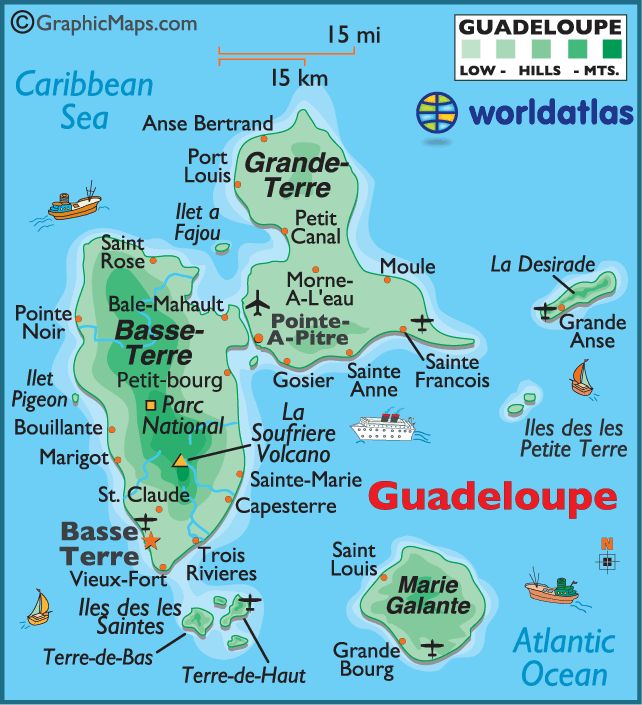
Reliable, cost-effective, and professionally coordinated logistics solutions for Shipping From Guadeloupe To USA.
Velotac Logistics provides door-to-door freight services from Guadeloupe to destinations across the United States, including ocean freight, air freight, customs clearance, warehousing, drayage, and final delivery.
Backed by strong carrier partnerships and an integrated U.S. logistics network, we ensure stable transit times, secure cargo handling, and flexible shipping solutions tailored to global supply chain needs.
Your Logistics Needs, Our Expertise.
Building a Resilient Supply Chain Through Partnership.
Why Choose Velotaclogistics
Worldwide Port Coverage Overview
🚢 Commercial / Container Ports
Port of Pointe-à-Pitre
Port de Jarry
🚢 Administrative / Local Ports
Port de Basse-Terre
🚢 Tourism Ports
Port de Deshaies
🚢 Outer Island Ports
Port de Marie-Galante (Grand-Bourg)
SERVICE TIERS
Transportation Service Categories

Fast and reliable air freight service with 2–7 days transit time from Guadeloupe to the USA. We work with trusted airline partners to ensure stable and efficient cargo delivery.
Ideal for e-commerce shipments, samples, commercial cargo, and time-sensitive freight requiring fast customs clearance and stable delivery.
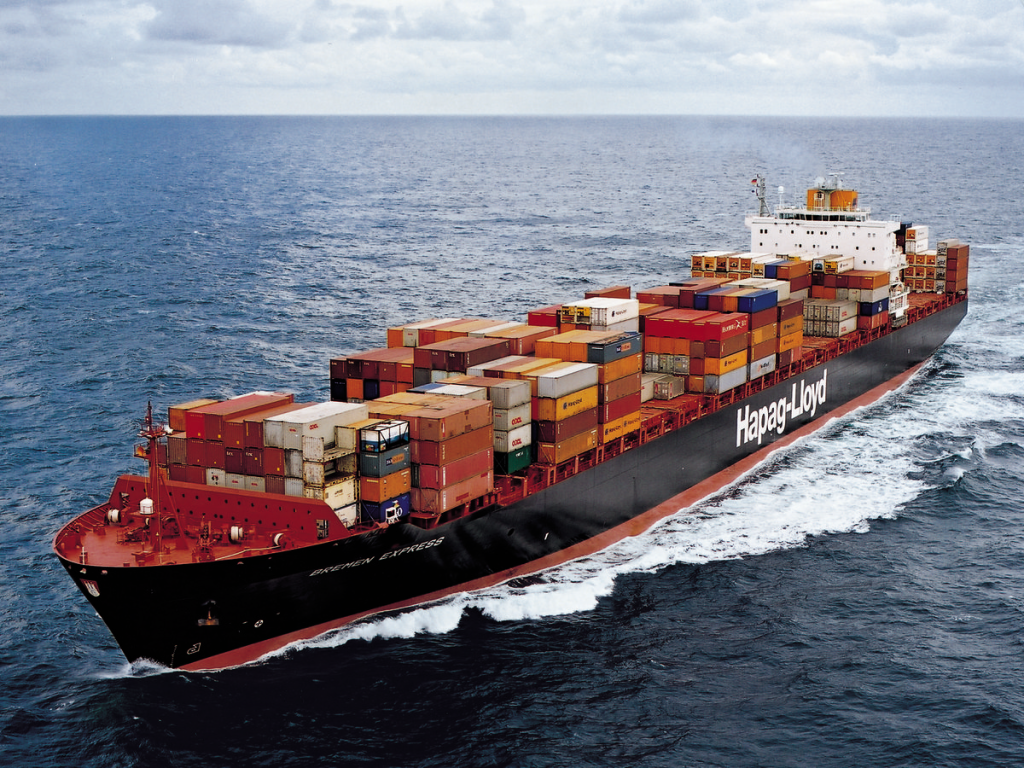
Cost-effective and stable ocean freight service for bulk cargo shipping from Guadeloupe to the USA.
Ideal for businesses seeking lower shipping costs with reliable container shipping, flexible cargo solutions, and full customs clearance support.
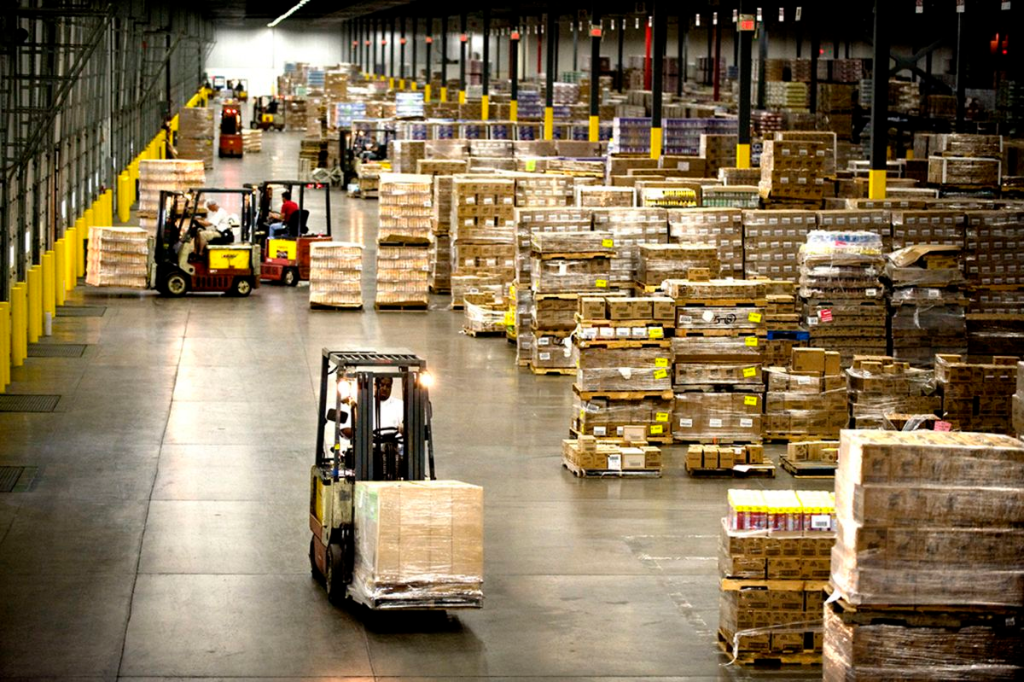
Flexible and secure warehousing solutions supporting cargo shipping from Guadeloupe to the USA and international supply chain operations.
Ideal for businesses needing efficient cargo storage, faster order processing, inventory control, and smoother international shipping operations.
Reliable short-distance container transportation supporting cargo shipping from Guadeloupe to the USA, connecting ports, rail terminals, and warehouses across the United States.
Ideal for moving containers quickly after ocean freight arrival to ensure smooth customs clearance, efficient cargo handling, and stable inland delivery operations.

OPERATIONAL EXCELLENCE
Our Shipping Process
Provide shipment details including weight/volume and routing preferences. We confirm optimal carriers and schedules to ensure lead-time stability.
Cargo is transferred onto contracted flights. We monitor real-time schedules and provide milestone updates throughout the transit phase.
Cargo is collected or received at Velotaclogistics hubs. Our team performs measurement, repacking, and precise labeling while preparing export documentation.
Arrival at U.S. hubs (LAX/SFO/ORD). Bonded handling and coordinated clearance through licensed brokers precede pallet breakdown.
Compliant export filing for all express and special-line shipments, managed through standardized digital workflows to prevent origin delays.
Seamless transition to last-mile carriers. Full visibility remains active from initial pickup to the final milestone at destination.
Guadeloupe relies heavily on inter-island ferry connections for moving cargo between Basse-Terre, Grande-Terre, and nearby islands. When ferry services are suspended due to weather or mechanical issues, cargo is temporarily stored in secure warehouses until transport resumes. Logistics providers adjust trucking schedules and reorganize consolidation plans to prevent delays. Inventory tracking ensures goods remain accounted for during storage transitions. Once services resume, shipments are re-verified and prepared for export with updated documentation for U.S. customs clearance.
Rum exports from Guadeloupe often require strict origin and aging certification due to regulatory and branding protections. If documentation is incomplete, customs authorities may request distillery records, aging proof, or production logs. Warehouse teams help verify labels and documentation before export. Proper certification ensures correct classification and prevents valuation disputes. Without accurate records, shipments may face delays or require additional inspections when entering the United States.
Yes. Agricultural products grown in Guadeloupe’s volcanic soil, such as tropical fruits or specialty crops, may require origin and phytosanitary documentation. Customs authorities may request inspection certificates to confirm safety and compliance with U.S. agricultural import standards. Warehousing teams verify documentation and packaging before export. Accurate records help prevent regulatory delays and ensure smooth clearance for food-related shipments entering the U.S. market.
Pharmaceutical and wellness products must be carefully separated due to different regulatory classifications. Warehouses organize inventory by category, verify labeling accuracy, and ensure compliance with export documentation standards. Improper mixing can lead to customs delays or inspection requests. Consolidation facilities ensure proper documentation alignment and packaging integrity. This helps reduce compliance risks and ensures smooth import processing when goods arrive in the United States.
Handcrafted textiles may vary in materials, dye composition, and production techniques. Customs authorities often require detailed descriptions and material breakdowns for classification. Warehousing teams inspect textiles for labeling consistency and prepare standardized documentation before export. Proper preparation reduces classification disputes and ensures smoother clearance. Without accurate records, shipments may face delays or additional inspection upon arrival in the United States.
Yes. Guadeloupe’s tropical climate creates high humidity levels that can lead to mold development in improperly stored goods. Warehouse inspections detect early signs of moisture damage, mold, or packaging deterioration. If issues are found, goods may be repackaged, treated, or separated before export. This process helps maintain product quality and ensures compliance with U.S. import standards for food, textiles, and other sensitive goods.
Souvenir shipments often include mixed materials such as wood, ceramics, and textiles. Warehouses categorize and label each item type to ensure proper customs classification. Inventory checks ensure accuracy before consolidation. Without proper organization, receiving errors may occur during distribution in the United States. Structured preparation improves shipment efficiency and reduces handling complications during customs inspection.
Currency inconsistencies can create customs valuation issues, especially when exchange rates are not clearly defined. Authorities may request clarification or additional financial documentation. Logistics providers standardize invoices into a single currency format before submission. Warehousing teams also verify documentation consistency. This ensures accurate duty calculation and reduces the risk of customs delays during import processing.
Yes. Trucking services are adapted to Guadeloupe’s road networks and terrain, supporting movement between ports, warehouses, and production sites. Logistics providers coordinate schedules to optimize pickup efficiency and minimize congestion. Proper routing ensures cargo reaches consolidation points on time. This internal transportation system plays a key role in preparing goods for air or sea freight export to the United States.
Medical supply shipments are prioritized through expedited documentation, immediate warehouse handling, and fast customs coordination. Air freight is typically used for urgent deliveries. Warehousing teams ensure proper labeling and compliance with health regulations. Rapid coordination across logistics channels helps ensure critical medical products reach U.S. destinations quickly and without regulatory delays.
Different tropical fruits may have varying shelf-life, temperature requirements, and inspection standards. Warehouses separate fruit types, apply temperature controls, and verify packaging before export. Customs authorities may require phytosanitary certificates for each variety. Proper segregation ensures product quality is maintained and reduces inspection risks upon arrival in the United States.