

Reliable, cost-effective, and professionally coordinated logistics solutions by Velotac Logistics from Martinique to the United States.
Velotac Logistics provides door-to-door freight services from Martinique to destinations across the USA, including ocean freight, air freight, customs clearance, warehousing, drayage, and final delivery.
Supported by strong carrier partnerships and integrated U.S. logistics networks, we ensure stable transit times, secure cargo handling, and flexible shipping solutions tailored to global supply chain needs.
Your Logistics Needs, Our Expertise.
Building a Resilient Supply Chain Through Partnership.
Why Choose Velotaclogistics
Worldwide Port Coverage Overview
🚢 Main Commercial Port
Port of Fort-de-France
🚢 Auxiliary Container Port
Génipa Terminal
🏭 Industrial / Logistics Zone
Port de Lamentin
🚢 Small Local Port
Port de La Trinité
SERVICE TIERS
Transportation Service Categories

Fast and reliable air freight service from Martinique to the United States with 2–5 days transit time. We partner with major international carriers and regional airlines to ensure stable schedules and efficient delivery performance.
Ideal for e-commerce parcels, urgent samples, and time-sensitive cargo requiring fast customs clearance and consistent delivery flow.
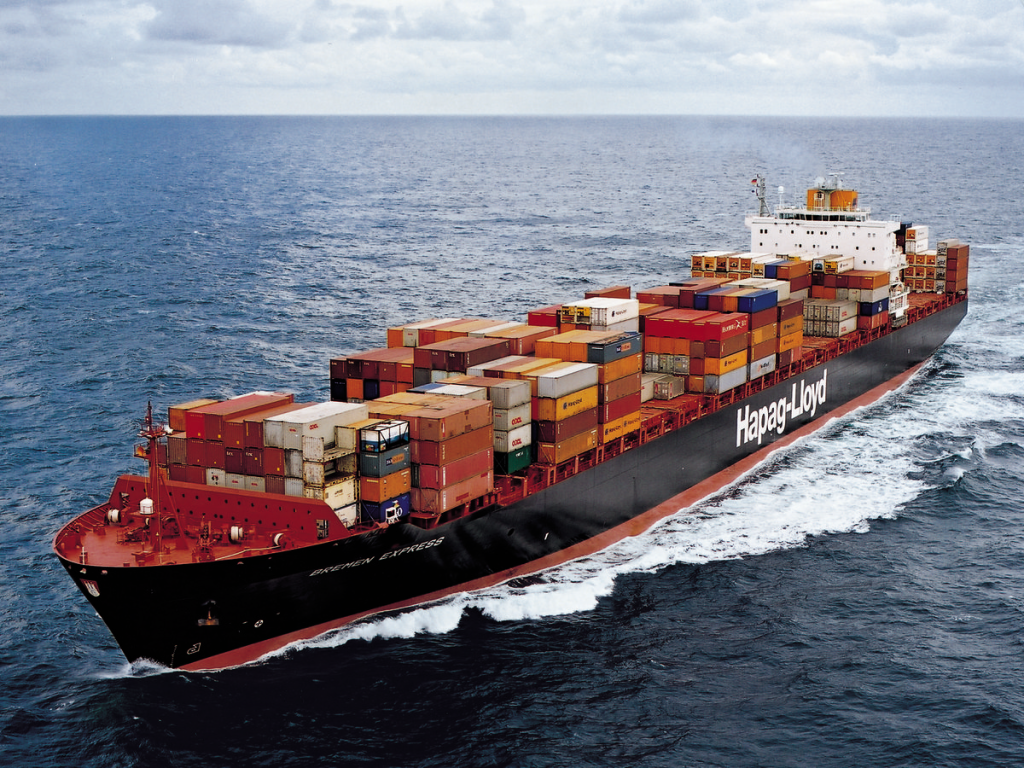
Cost-effective and stable ocean freight service for bulk cargo shipping from China to the United States.
Ideal for businesses seeking lower shipping costs with reliable container shipping, stable vessel schedules, and full customs clearance support.
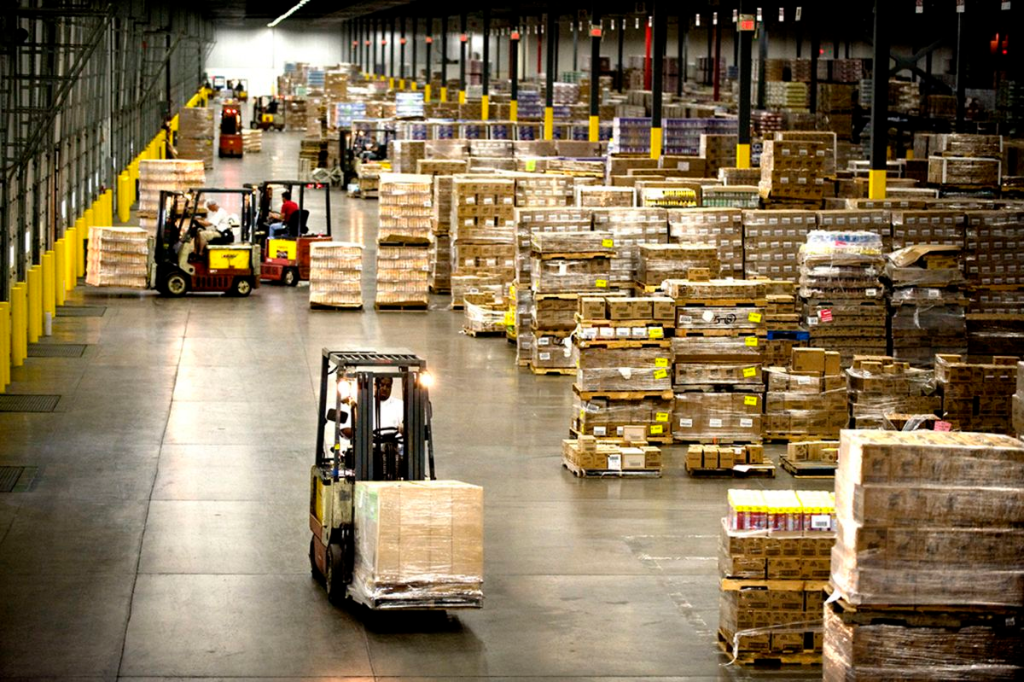
Secure and flexible warehousing solutions to support global supply chains.
Ideal for faster processing, efficient storage, and smoother international logistics operations.
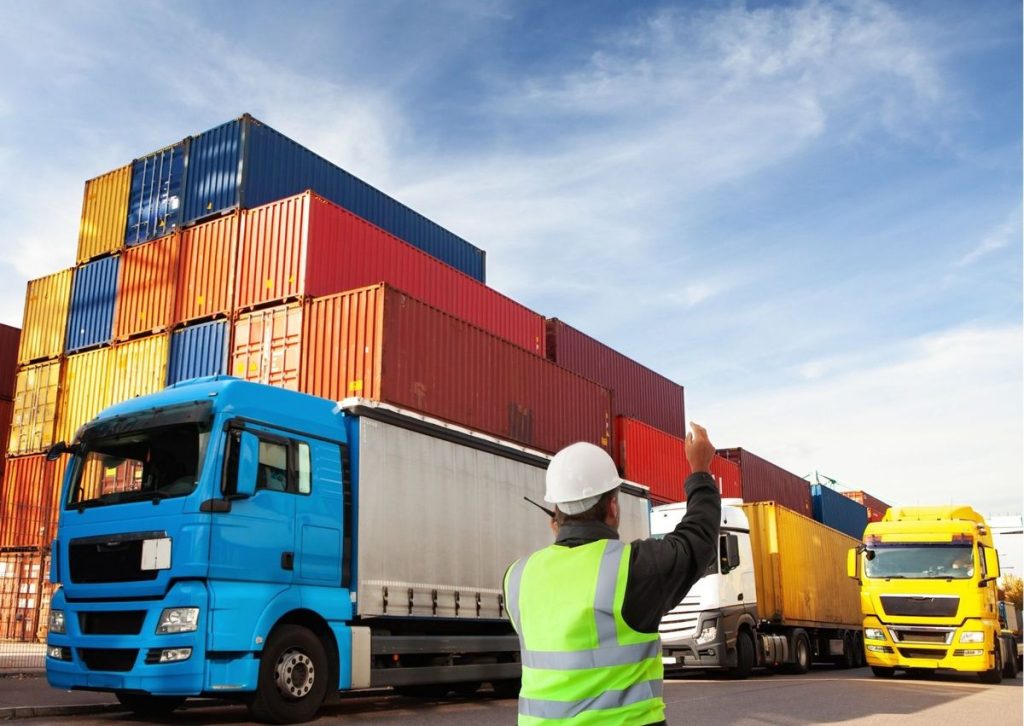
Reliable short-distance container trucking between ports, rail yards, and warehouses across the United States.
Ideal for fast container movement after ocean arrival, ensuring smooth customs clearance and efficient inland transport.
OPERATIONAL EXCELLENCE
Our Shipping Process
Provide shipment details including weight/volume and routing preferences. We confirm optimal carriers and schedules to ensure lead-time stability.
Cargo is transferred onto contracted flights. We monitor real-time schedules and provide milestone updates throughout the transit phase.
Cargo is collected or received at Velotaclogistics hubs. Our team performs measurement, repacking, and precise labeling while preparing export documentation.
Arrival at U.S. hubs (LAX/SFO/ORD). Bonded handling and coordinated clearance through licensed brokers precede pallet breakdown.
Compliant export filing for all express and special-line shipments, managed through standardized digital workflows to prevent origin delays.
Seamless transition to last-mile carriers. Full visibility remains active from initial pickup to the final milestone at destination.
Yes. However, differences between ordered specifications and actual packaging should be reviewed before shipment. U.S. customs generally focuses on product classification and documentation, but buyers may encounter inventory disputes if packaging dimensions, materials, or labeling differ from purchase agreements. Warehouse inspection services can verify packaging details before departure, allowing corrections or repacking when necessary. This extra step helps prevent customer complaints, reduces return risks, and ensures smoother inventory management after cargo reaches the United States.
Mixed product models packed within the same shipment can create receiving and inventory challenges. Importers should request detailed packing lists showing quantities, SKU numbers, and carton allocations. Warehouse verification before export can confirm that products match supplier documentation. Accurate records help customs clearance proceed more efficiently and make downstream distribution easier. Without proper segregation and identification, businesses may face inventory counting errors, fulfillment delays, or difficulties allocating stock to customers after arrival in the United States.
Yes. Warehousing facilities can provide value-added logistics services before cargo enters U.S. distribution channels. Common preparations include palletization, carton labeling, barcode application, inventory sorting, repacking, and shipment consolidation. These services help ensure products meet retailer or fulfillment center requirements before transportation begins. Completing preparation work at origin often reduces handling costs later and allows businesses to move inventory directly into sales channels rather than performing additional processing after customs clearance in the United States.
When shortages are discovered, warehouse records, loading photographs, inventory reports, and shipping documents are typically reviewed. Warehouse inspection programs before export can establish documented proof of loaded quantities, helping determine whether discrepancies originated at the supplier, warehouse, carrier, or receiving facility. Detailed inventory controls reduce uncertainty during claims investigations. Businesses that routinely ship high-volume cargo often benefit from independent quantity verification services to improve accountability throughout the transportation and customs clearance process.
It can, but additional precautions are often recommended. Sensitive machinery may require custom crating, shock-resistant packaging, moisture protection, and specialized loading procedures. Combining fragile equipment with heavier cargo without adequate separation can increase damage risks during handling. Warehouse teams can evaluate packaging suitability and reinforce protection before export. Proper preparation not only protects equipment value but also minimizes operational disruptions if the machinery is intended for immediate installation or commercial use upon arrival.
Many issues stem from incomplete product descriptions, inconsistent invoice values, incorrect harmonized codes, or missing supporting records. Customs authorities rely on accurate information to determine duties and regulatory requirements. Even small discrepancies between invoices, packing lists, and shipping documents can trigger requests for clarification. Customs clearance specialists often review documentation before departure to identify potential concerns early. This process reduces the likelihood of administrative delays, compliance questions, and unexpected expenses during the import procedure.
Yes. Warehousing solutions allow businesses to hold inventory before final distribution decisions are made. This approach can be useful when products arrive ahead of seasonal demand, customer commitments, or retail launch schedules. Stored inventory remains available for later transportation through trucking networks once purchase orders are confirmed. Strategic warehousing provides flexibility, improves stock control, and reduces pressure to move cargo immediately after customs clearance, allowing businesses to better align inventory with market demand.
Products subject to different duty classifications should be documented clearly and separated accurately within shipping records. Detailed invoices, packing lists, and item descriptions help customs authorities assess duties correctly. Mixing multiple categories without proper identification can complicate customs review and increase the likelihood of questions. Customs specialists often recommend verifying classifications before export. Careful preparation improves compliance, minimizes reclassification risks, and provides greater visibility into landed costs for budgeting and inventory planning purposes.
Damaged pallets do not always indicate product damage, but the shipment should be inspected immediately. Warehouse receiving teams may document pallet conditions, verify carton integrity, and assess whether repalletization is necessary before onward transportation. Detailed inspection reports can support insurance claims if handling damage occurred during transit. Taking corrective action promptly helps prevent additional risks during storage or trucking operations and ensures inventory remains suitable for distribution to customers or retail locations.
Yes. Consolidation can simplify inventory management, reduce handling events, and improve documentation efficiency. Rather than processing separate customs entries and transportation arrangements for multiple shipments, businesses can combine cargo at a warehouse facility before export. Consolidation also allows quality checks across all purchase orders before loading. This strategy can improve shipment visibility, streamline logistics coordination, and support more organized receiving procedures once inventory reaches the United States.