
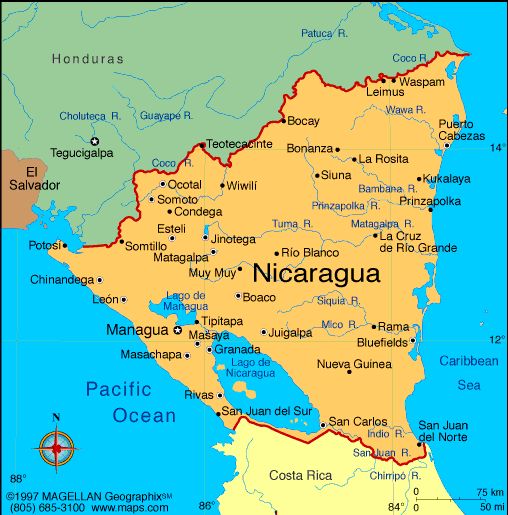
Reliable, cost-effective, and professionally coordinated logistics solutions for Shipping From Nicaragua To USA.
Velotac Logistics provides door-to-door freight services from Nicaragua to destinations across the USA, including ocean freight, air freight, customs clearance, warehousing, drayage, and final delivery.
Supported by strong carrier partnerships and integrated U.S. logistics networks, we ensure stable transit times, secure cargo handling, and flexible shipping solutions tailored to global supply chain needs.
Your Logistics Needs, Our Expertise.
Building a Resilient Supply Chain Through Partnership.
Why Choose Velotaclogistics
Worldwide Port Coverage Overview
🚢 Major Pacific Ports
Port of Corinto
🚢 Industrial / Energy Ports
Puerto Sandino
🚢 Caribbean Ports
El Bluff Port
Bluefields Port
Puerto Cabezas (Bilwi)
SERVICE TIERS
Transportation Service Categories

Reliable and cost-effective international freight solutions from Nicaragua to the USA with stable transit schedules and full logistics support.
Ideal for businesses requiring fast customs clearance, secure handling, and efficient door-to-door delivery across the United States.
Cost-effective and stable ocean freight service for bulk cargo shipping from China to the USA.
Ideal for businesses seeking lower shipping costs with reliable container shipping and full customs support.
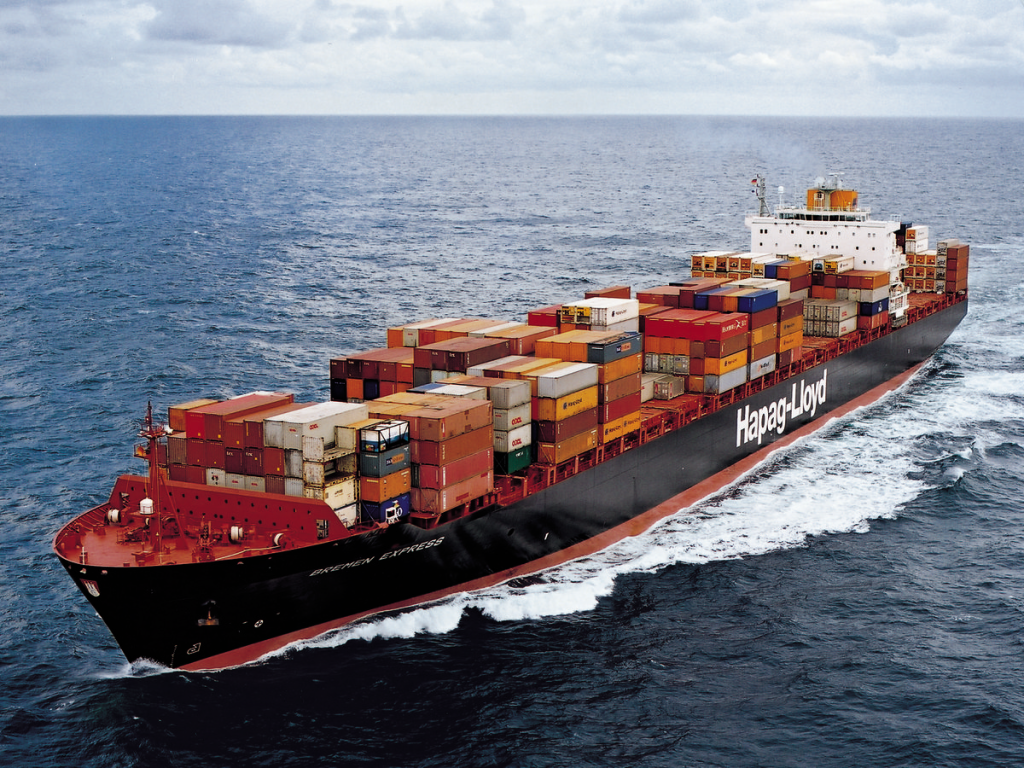
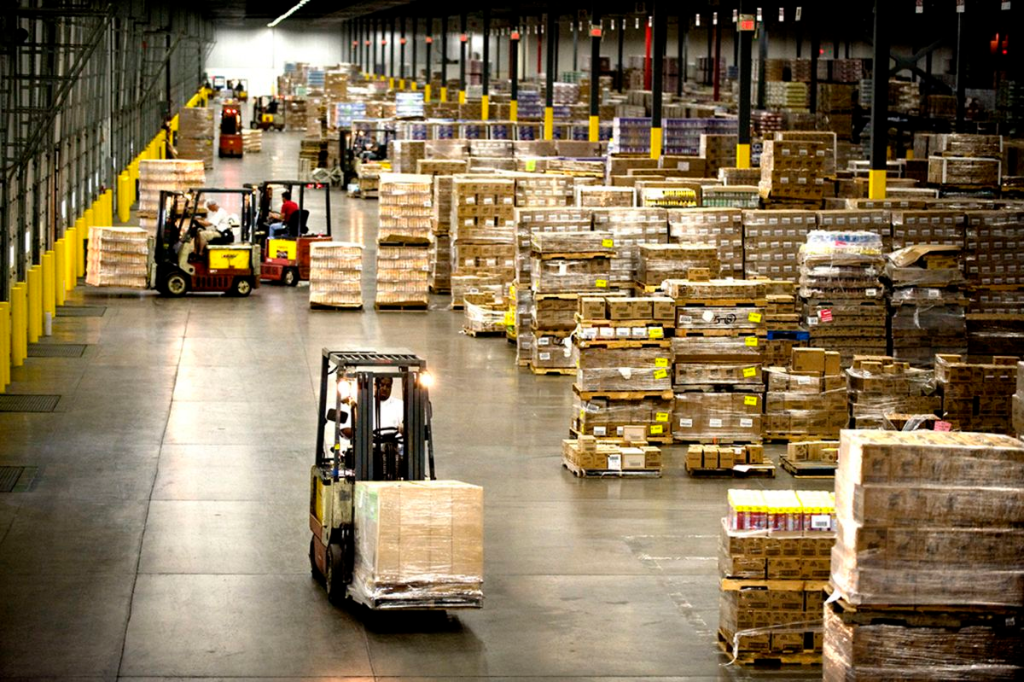
Flexible and secure warehousing solutions to support your global supply chain.
Ideal for businesses needing efficient storage, faster order processing, and smoother international shipping operations.
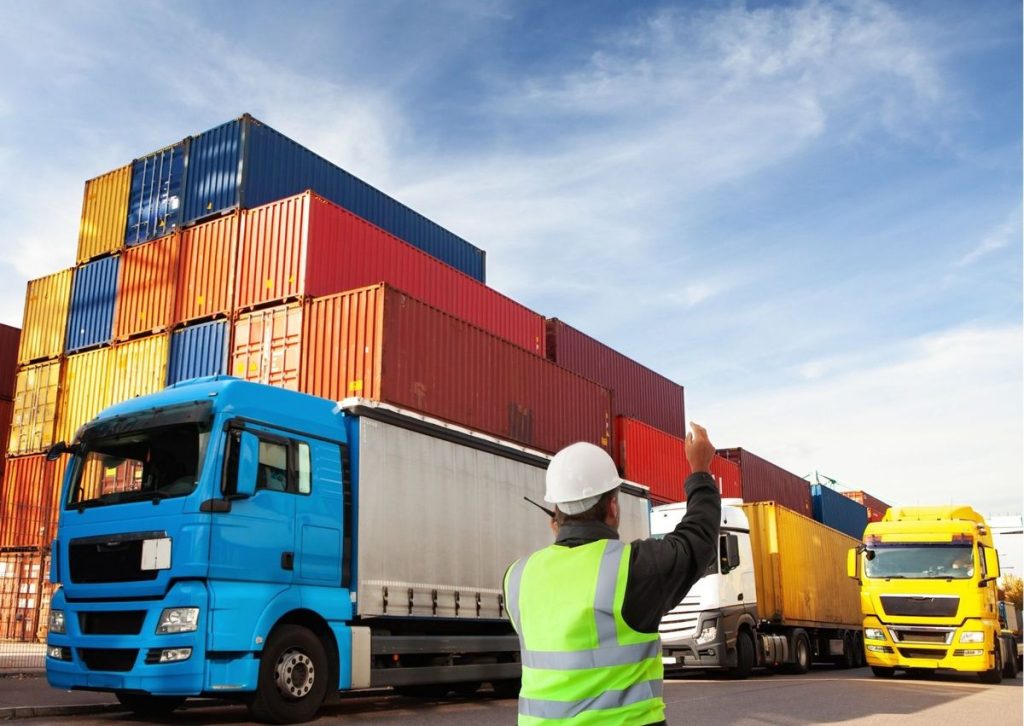
Reliable short-distance container transport connecting ports, rail yards, and warehouses across the United States.
Ideal for moving containers quickly after ocean freight to ensure smooth customs release and efficient inland delivery.
OPERATIONAL EXCELLENCE
Our Shipping Process
Provide shipment details including weight/volume and routing preferences. We confirm optimal carriers and schedules to ensure lead-time stability.
Cargo is transferred onto contracted flights. We monitor real-time schedules and provide milestone updates throughout the transit phase.
Cargo is collected or received at Velotaclogistics hubs. Our team performs measurement, repacking, and precise labeling while preparing export documentation.
Arrival at U.S. hubs (LAX/SFO/ORD). Bonded handling and coordinated clearance through licensed brokers precede pallet breakdown.
Compliant export filing for all express and special-line shipments, managed through standardized digital workflows to prevent origin delays.
Seamless transition to last-mile carriers. Full visibility remains active from initial pickup to the final milestone at destination.
In Nicaragua, rural road conditions and seasonal rainfall can impact inland pickup schedules, especially for agricultural or factory-origin cargo. When trucks cannot access supplier locations, goods are often temporarily stored at regional warehouses until transport becomes possible. This prevents damage and avoids rushed loading once roads reopen. Logistics providers may reroute vehicles or adjust consolidation schedules. Proper planning ensures cargo remains secure while maintaining alignment with export documentation and eventual customs processing requirements for U.S. entry.
Coffee exports from Nicaragua require precise grading and classification because quality level directly affects customs valuation and buyer expectations. Misclassification can trigger customs questions or commercial disputes upon arrival. Authorities or importers may request sampling records, certification documents, or supplier verification. Warehousing inspection before export helps confirm correct grading, labeling, and packaging. Accurate classification ensures smooth customs clearance and reduces risks of pricing adjustments or rejected shipments in the U.S. market.
Yes, in certain regions, volcanic activity or airborne dust can affect storage conditions, especially for uncovered or improperly sealed cargo. Warehousing facilities mitigate this risk by using enclosed storage, air filtration, and protective packaging. Sensitive goods such as food, textiles, or electronics are kept in controlled environments. Proper storage ensures that environmental exposure does not compromise product quality before export, and reduces inspection issues when goods arrive in the United States.
Many small exporters in Nicaragua rely on manual invoicing or informal records, which can lead to inconsistencies during customs review. Logistics providers typically standardize documents into compliant formats, including commercial invoices, packing lists, and HS code assignments. Warehouse intake checks help identify missing or unclear information before export. This process reduces customs delays, ensures regulatory compliance, and helps small exporters meet U.S. import requirements without facing unnecessary shipment holds or rejections.
Handmade leather goods often vary in material type, craftsmanship, and product consistency, making classification difficult for customs. Authorities may request additional details such as material composition, production methods, or origin verification. Improper documentation can lead to valuation disputes or inspection delays. Warehousing inspection helps verify product consistency and prepare standardized labeling. This ensures smoother customs processing and reduces risks of classification errors when entering the U.S. market.
Yes, but careful separation and documentation are required because agricultural goods and manufactured products follow different customs regulations. Each category must be clearly labeled with accurate descriptions and HS codes. Warehousing consolidation helps organize cargo into distinct sections before export. Without proper segregation, customs may request additional clarification or impose delays. Proper handling ensures compliance and simplifies inspection procedures during U.S. import processing.
Labor strikes can disrupt loading schedules and container movement at Nicaraguan ports. In such cases, cargo is typically held in secure warehouse facilities until operations resume. Logistics providers may also reroute shipments through alternative ports if available. Warehousing ensures goods remain protected and prevents demurrage charges caused by port congestion. Coordination between carriers and customs brokers helps reschedule export timing without requiring full documentation reprocessing.
Agricultural exports such as fruits, coffee, or plants often require pesticide residue certificates or phytosanitary documentation. Missing certifications can result in customs holds or rejection at the destination. Logistics providers typically verify compliance before shipment and coordinate with certification authorities when needed. Warehousing inspection ensures documents are complete before export, reducing risks of non-compliance with U.S. food safety and agricultural import regulations.
Mixed textile shipments require clear identification of fabric composition, weight, and intended use. Different fabric types may fall under separate tariff classifications, affecting customs duties. Warehousing services help sort and label textiles before export to ensure accuracy. Without proper separation, customs may request additional inspection or reclassification. Proper preparation improves clearance efficiency and reduces the risk of disputes regarding product categorization in the U.S. import process.
Yes, bonded warehouses allow goods to be stored under customs supervision without immediate duty payment. This is useful when buyers in the U.S. have not yet confirmed final purchase quantities or delivery schedules. Cargo remains secure while businesses finalize distribution decisions. This flexibility supports cash flow management and reduces pressure on immediate shipment release, especially for exporters dealing with uncertain or fluctuating demand.
Mixed-grade seafood requires strict separation and labeling due to quality variations and regulatory requirements. Improper classification may lead to customs scrutiny or rejection by importers. Cold-chain warehousing ensures proper segregation and temperature control before export. Documentation must clearly define grade, origin, and handling conditions. Failure to maintain consistency can result in spoilage risks or compliance issues during U.S. food inspection processes.
Oversized agricultural equipment requires dismantling, crating, and specialized loading procedures. Logistics teams evaluate dimensions, weight distribution, and transport route restrictions. Warehousing facilities may assist with pre-shipment assembly checks and protective packaging. Customs documentation must clearly describe equipment specifications. Proper preparation ensures safe movement through trucking networks and reduces the risk of damage or regulatory delays during cross-border transport into the United States.