

Shipping From Trinidad And Tobago To USA

Reliable, cost-effective, and professionally coordinated logistics solutions by Velotac Logistics from China to the United States.

Velotac Logistics provides door-to-door freight services from major China ports to destinations across the USA, including ocean freight, air freight, customs clearance, warehousing, drayage, and final delivery.
Supported by strong carrier partnerships and integrated U.S. logistics networks, we ensure stable transit times, secure cargo handling, and flexible shipping solutions tailored to global supply chain needs.

Your Logistics Needs, Our Expertise.

Building a Resilient Supply Chain Through Partnership.

Why Choose Velotaclogistics

Worldwide Port Coverage Overview

Point Lisas Industrial Port

Point Lisas Industrial Port serves as the nation's core port for industrial and energy exports.
πŸ“ŒIt primarily handles bulk cargo, such as petrochemicals, fertilizers, and steel.
πŸ“ŒIt features a high volume of liquid and industrial goods transport.
πŸ“ŒIt supports the energy export value chain.
πŸ“ŒIt is not a traditional container port.
Key Characteristic: Industrial/Energy-focused Port

Port-of-Port-of-Spain

The Port of Port of Spain is Trinidad and Tobago's most important comprehensive commercial port.
πŸ“ŒThe nation's primary port for containerized imports and exports.
πŸ“ŒHandles general trade cargo (FCL / LCL).
πŸ“ŒServes shipping routes connecting the Caribbean and the U.S. East Coast.
πŸ“ŒFeatures the most comprehensive port facilities.
Key Feature: The country's central hub for foreign trade.

Pointe-a-Pierre-Port

Pointe-Γ -Pierre Port is a major oil-related port.
πŸ“ŒAn energy port integrated with a refinery
πŸ“ŒTransport of crude oil and refined petroleum products
πŸ“ŒA specialized industrial port
πŸ“ŒDoes not handle general container traffic
Key Feature: Dedicated Energy Port

Scarborough-Port

Scarborough Port is the principal port on the island of Tobago.
πŸ“ŒIt primarily handles ferry services and small-scale cargo operations.
πŸ“ŒIt facilitates inter-island transport (Trinidad ↔ Tobago).
πŸ“ŒIt is relatively small in scale.
πŸ“ŒIt serves a dual function, catering to both tourism and the supply of daily necessities.

Key Feature: Primarily focused on inter-island transportation.

OTHER PORTS

🚒 Commercial Container Port
Port of Port of Spain
🏭 Industrial / Energy Ports
Point Lisas Industrial Port
Pointe-Γ -Pierre Port
🚒 Tobago Island Port
Scarborough Port

SERVICE TIERS

Transportation Service Categories

πŸ“AIR FREIGHT

Fast and reliable air freight service from Trinidad and Tobago to the USA, offering efficient transit options for urgent and time-sensitive cargo. We work with major international carriers such as DHL, FedEx, and UPS to ensure stable, secure, and timely delivery.

  • Transit Time: 2–5 Days (Express Courier) / 3–7 Days (Standard Air Freight)
  • Visibility: Full end-to-end tracking
  • Best For: Urgent, high-value, and lightweight shipments
  • Coverage: Trinidad and Tobago (POS / TAB airports) to all major US destinations

Ideal for e-commerce parcels, samples, documents, and time-sensitive cargo requiring fast customs clearance and reliable last-mile delivery across the United States.

πŸ“SEA FREIGHT

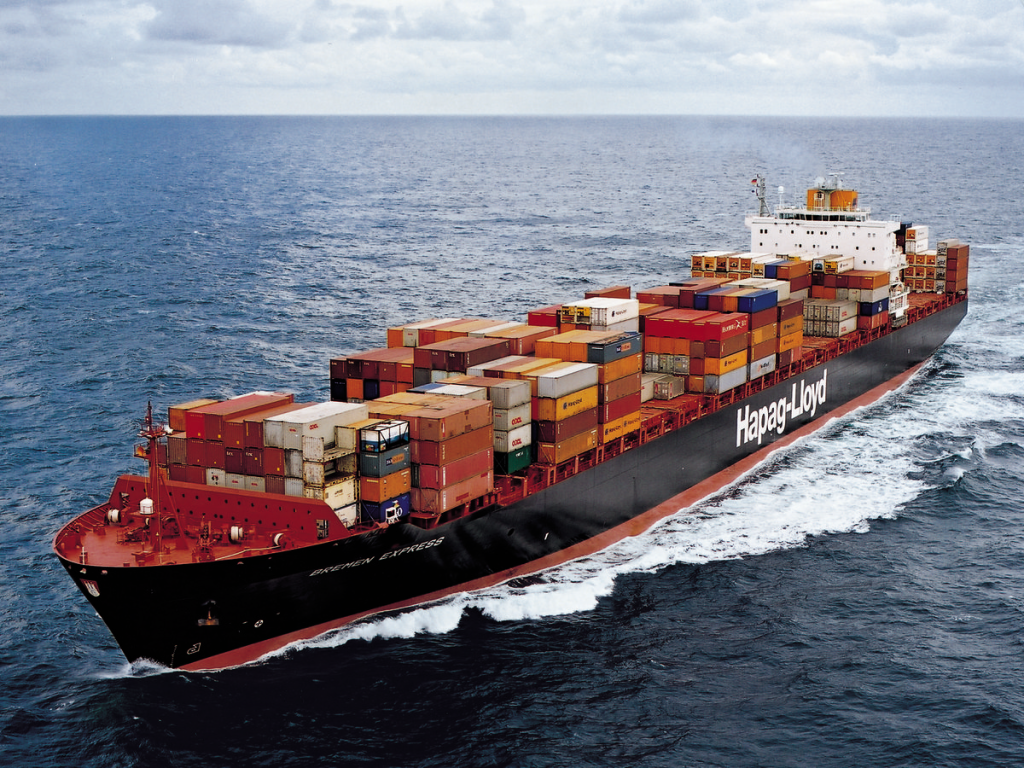
Cost-effective and stable ocean freight service for bulk cargo shipping from Trinidad and Tobago to the USA, designed for businesses and individuals moving larger or heavier shipments.

  • Transit Time: 20–35 Days (Port to Port, depending on routing)
  • Shipping Options: FCL / LCL available
  • Best For: Bulk cargo, heavy goods, large-volume shipments, non-urgent freight
  • Coverage: Port of Spain (POS) and other Trinidad & Tobago ports to major US ports (Los Angeles, New York, Houston, Miami, etc.)

Ideal for importers and exporters seeking lower shipping costs with reliable container transport, consolidated cargo options, and full customs clearance support on both ends.

πŸ“WAREHOUSING

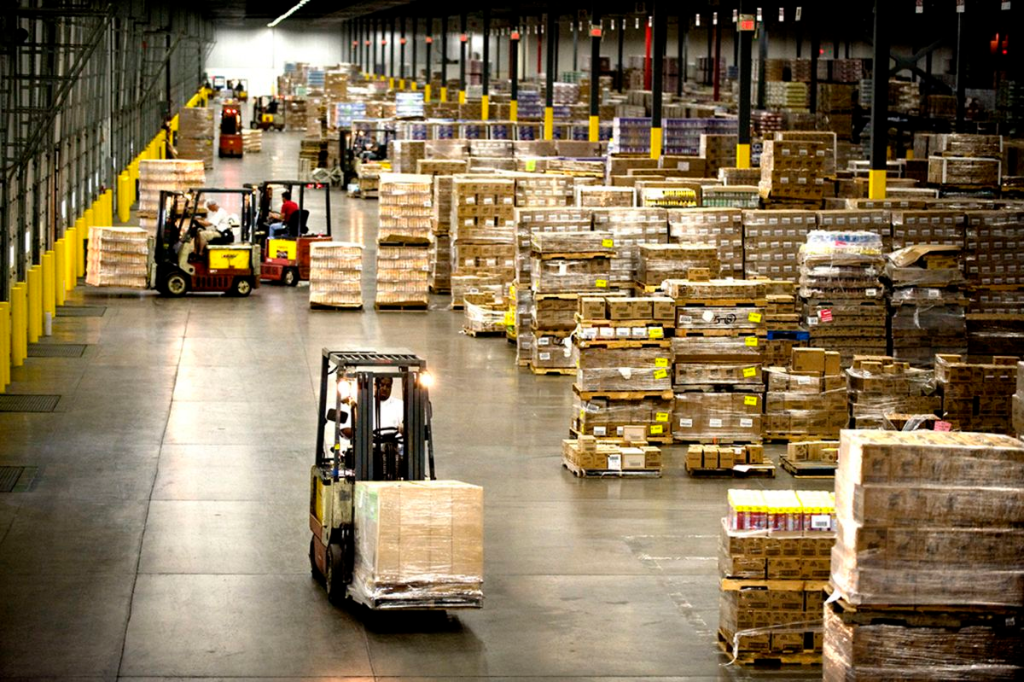
Flexible and secure warehousing solutions supporting global supply chain operations between Trinidad and Tobago, China, and the USA.

  • Services: Storage, labeling, picking & packing, consolidation
  • Visibility: Real-time inventory management with shipment tracking integration
  • Best For: E-commerce fulfillment, bulk distribution, cross-border logistics, and order consolidation
  • Locations: Strategic warehouse hubs in China and major logistics centers in the USA

Ideal for businesses needing efficient inventory control, faster order processing, and seamless international shipping coordination from origin to final delivery.

πŸ“DRAYAGE Service (Port Trucking USA)

Reliable short-distance container transportation connecting major ports, rail terminals, and warehouses across the United States.

  • Service Scope: Port β†’ Warehouse / Rail Terminal β†’ Warehouse / Port Transfers
  • Speed: Same-day or next-day pickup available (depending on port congestion and appointment scheduling)
  • Best For: Import containers, FCL shipments, inland freight movement after ocean arrival
  • Coverage: Major US ports and key inland logistics hubs

Ideal for ensuring fast container pickup after ocean freight arrival, helping reduce demurrage costs, accelerate customs clearance flow, and support efficient inland distribution.

OPERATIONAL EXCELLENCE

Our Shipping Process

β‘ Β  Β Booking & Planning

Provide shipment details including weight/volume and routing preferences. We confirm optimal carriers and schedules to ensure lead-time stability.

β‘£Β  Transportation

Cargo is transferred onto contracted flights. We monitor real-time schedules and provide milestone updates throughout the transit phase.

β‘‘Β  Pickup & Consolidation

Cargo is collected or received at Velotaclogistics hubs. Our team performs measurement, repacking, and precise labeling while preparing export documentation.

β‘€Β  Overseas Clearance & Breakbulk

Arrival at U.S. hubs (LAX/SFO/ORD). Bonded handling and coordinated clearance through licensed brokers precede pallet breakdown.

β‘’Β  Export Declaration

Compliant export filing for all express and special-line shipments, managed through standardized digital workflows to prevent origin delays.

β‘₯ Final Delivery & Visibility

Seamless transition to last-mile carriers. Full visibility remains active from initial pickup to the final milestone at destination.

You might be interested in learning more about...

Differences occur because exporters and consignees often interpret shipment requirements from completely different perspectives and business priorities. Exporters focus on operational feasibility and resource limitations, while consignees focus on commercial intent and final delivery expectations. In Trinidad trade environments, this mismatch leads to repeated clarification cycles until both sides align on a shared interpretation of the original agreement and its practical execution conditions.

Internal disagreement happens because different departments apply different definitions of β€œreadiness” based on their functional responsibilities. Sales teams may consider a shipment ready once commercial confirmation is received, while operations teams require full physical preparation and supporting documentation. In Trinidad businesses, this mismatch creates internal conflict and delays alignment on whether a shipment is genuinely ready for execution.

Exporters frequently re-evaluate customer priority when new business opportunities arise or when existing clients change order behavior unexpectedly. In Trinidad markets, limited customer bases mean each client carries significant financial importance, so priority decisions are continuously adjusted based on revenue contribution, relationship value, and urgency, even after initial agreements have already been confirmed and acknowledged.

Informal communication increases the risk of misinterpretation because key details may not be fully documented or standardized across all parties involved. In Trinidad export contexts, verbal instructions or loosely written messages can be understood differently by each stakeholder, leading to execution outcomes that deviate from the original intent and requiring additional clarification or corrective coordination later.

Exporters sometimes accept conflicting instructions because rejecting them could damage customer relationships or delay ongoing operations. In Trinidad environments, multiple stakeholders such as buyers, internal teams, and intermediaries may provide different directives, and exporters often attempt to balance these inputs rather than strictly enforcing one version, which leads to compromise-based execution decisions.

Agreed shipment terms are often revised when new commercial information, operational constraints, or customer requirements emerge after initial confirmation. In Trinidad trade settings, evolving business conditions frequently force exporters to reassess previously accepted terms, resulting in multiple rounds of adjustment before final execution alignment is achieved across all involved parties.

Overlapping responsibilities reduce decision clarity because multiple individuals may assume partial ownership of the same task without clearly defined boundaries. In Trinidad organizations, this leads to situations where different team members provide inconsistent instructions or interpretations, creating confusion in execution and requiring additional coordination to establish a single authoritative direction.

Consistency becomes difficult when communication responsibilities are distributed across multiple team members handling different clients simultaneously. In Trinidad export environments, variations in experience, workload, and communication style can result in inconsistent messaging, where customers receive slightly different information depending on who responds, leading to confusion and repeated clarification requests.

Limited operational capacity forces exporters to prioritize certain commitments over others, which can affect the reliability of previously agreed arrangements. In Trinidad environments, constrained resources such as labor, equipment, or scheduling availability require continuous adjustment of commitments, making it difficult to maintain absolute consistency across all planned activities simultaneously.

Exporters may revisit decisions due to internal reassessment of risk, profitability, or feasibility, even when external conditions remain unchanged. In Trinidad business environments, decision-making is often dynamic, and new internal evaluations or strategic reflections can trigger changes in previously settled plans without any external trigger or market disruption occurring.