
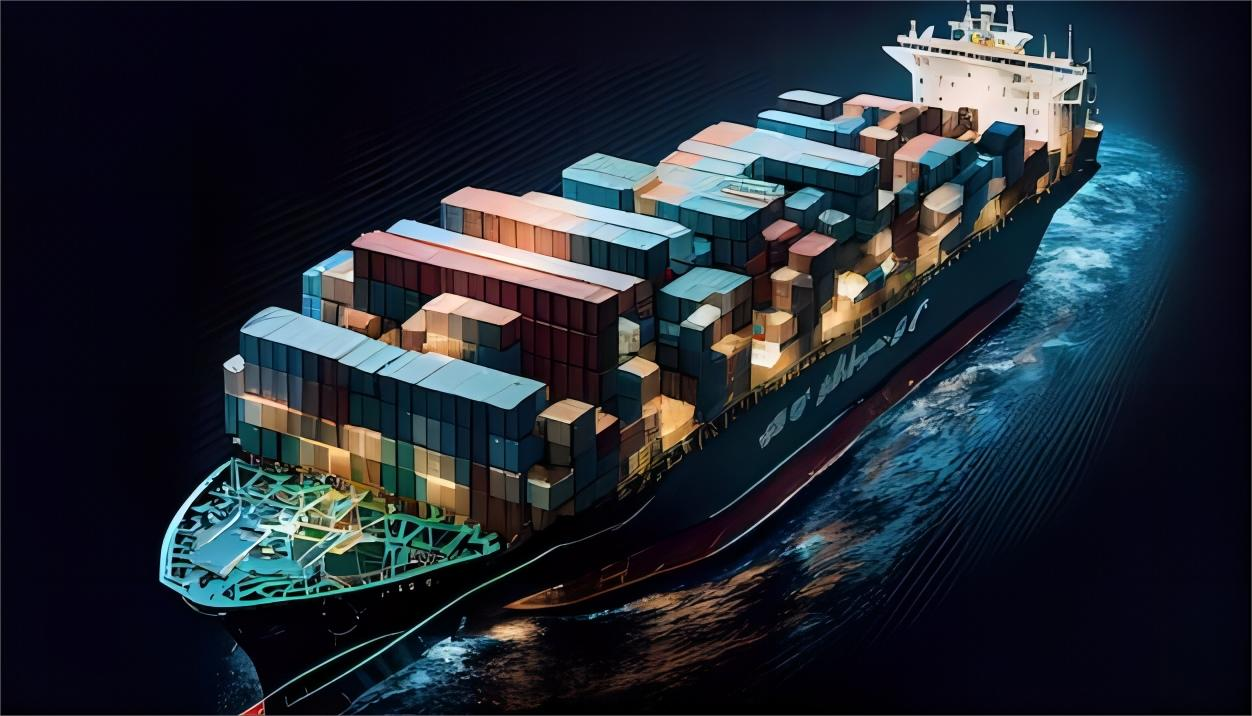
Shipping from USA to Dominican Republic: A 2026 Logistics Guide
Navigating the complexities of shipping from USA to Dominican Republic often reveals significant gaps between quoted transit times and actual cargo delivery dates. These discrepancies usually stem from misaligned Incoterms, incomplete documentation, or a failure to account for specific port-to-port dwell times. By partnering with an experienced provider like VeloTactics Logistics, businesses can transform fragmented carrier quotes into a transparent, auditable supply chain strategy. This 2026 handbook outlines the critical checkpoints, compliance requirements, and landed-cost variables necessary to maintain a predictable flow of goods across this vital Caribbean trade lane.
Key Takeaways
Standard ocean transit from major US ports like Miami or Newark to Haina/Caucedo typically ranges from 5 to 12 days depending on direct vs. transshipment service.
A 40HQ container provides approximately 65–70 CBM of usable space; ensure your cargo volume is optimized to avoid paying for empty air.
Commercial Invoices must explicitly state HS codes and the country of origin to prevent customs holds at Dominican ports of entry.
Air freight chargeable weight is calculated as the greater of actual gross weight or volumetric weight (L x W x H in cm / 6000).
Always confirm free time at destination (demurrage/detention) in writing to prevent unexpected costs if customs clearance encounters administrative delays.
What Should Buyers Know First About USA to Dominican Republic?
Buyers must first recognize that the Dominican Republic market relies heavily on specific port infrastructure, primarily Caucedo and Haina, which dictate the flow of both LCL and FCL cargo.
Understanding that this lane is highly sensitive to seasonal demand fluctuations—particularly during peak Caribbean retail cycles—is essential for securing reliable space.
For more insights on optimizing your sea freight operations, our team provides tailored analysis for this specific corridor.
Common mistake: Neglecting to verify the specific terminal handling requirements at the destination port.
Risk alert: Failure to align cargo-ready dates with weekly vessel schedules leads to avoidable port dwell charges.
How Do Routing and Gateway Choices Affect This Lane?
Gateway selection in the USA, such as choosing between Miami (MIA) for speed or the Northeast (NY/NJ) for consolidation, directly impacts your total transit lead time.
Most consistent sailings for this corridor originate from the US East Coast, leveraging proximity to the Caribbean basin to minimize transshipment risks.
Our logistics services include strategic gateway selection to ensure your cargo follows the most efficient path.
| US Gateway | Primary Mode | Est. Transit (Days) | Frequency |
|---|---|---|---|
| Miami/Port Everglades | Ocean | 3-5 | Daily/Weekly |
| New York/New Jersey | Ocean | 7-10 | Weekly |
| Houston | Ocean | 8-12 | Bi-Weekly |
| Miami International | Air | 1-2 | Daily |
Common mistake: Assuming all US ports offer the same frequency of direct sailings to Santo Domingo.
Risk alert: Transshipment through third-party hubs adds significant risk of delay during peak season.
Critical Checklist: Documents and Compliance on This Lane
Compliance on this lane hinges on the accuracy of the Commercial Invoice, Packing List, and the Bill of Lading, which must precisely match the physical cargo manifests.
Documentation errors are the leading cause of customs fines in the Dominican Republic; ensure every document is reviewed for data integrity before the vessel departs.
Proper documentation is a cornerstone of our professional approach to international trade.
Common mistake: Failing to provide a detailed packing list, leading to manual inspection holds.
Risk alert: Customs authorities in the Dominican Republic strictly enforce manifest accuracy; discrepancies often result in immediate cargo seizure.
What Transit Timeline Should You Expect?
Expect a total door-to-door transit time of between 8 and 18 days for standard ocean shipments, accounting for both ocean transit and inland customs processing.
Air shipments can condense this timeline to 3–5 days, though they remain significantly more expensive per kilogram.
Always factor in a 'buffer week' during peak seasons to account for potential carrier roll-overs or port congestion.
| Service Level | Mainhaul Days | Customs/Dwell | Total Lead Time |
|---|---|---|---|
| Standard Ocean | 6-9 | 3-5 | 9-14 |
| Expedited Ocean | 5-7 | 2-3 | 7-10 |
| Air Freight | 1-2 | 2-3 | 3-5 |
Common mistake: Confusing 'port-to-port' transit with 'door-to-door' total lead time.
Risk alert: Customs clearance times are highly variable; plan for the upper end of the estimate during holiday periods.
How Are Landed Costs Typically Built?
Landed costs are calculated by aggregating the ocean freight rate, origin drayage, destination terminal handling charges (THC), and applicable duties or taxes.
Many buyers overlook the 'hidden' costs of destination storage, which can accumulate rapidly if the consignee is not prepared for arrival.
For detailed cost breakdowns, consult our freight blog for recent market updates.
Field note: Freight rates are subject to change based on carrier capacity, fuel costs, market demand, and seasonal fluctuations. Contact VeloTactics Logistics for an up-to-date quotation.
Common mistake: Forgetting to include local port fees and documentation processing costs in the initial budget.
Risk alert: Unmanaged demurrage is the single largest source of landed-cost inflation on this lane.
Which Documents and Compliance Checks Apply?
Beyond standard transport documents, importers must verify if their goods require specific permits from the Dominican Ministry of Public Health or Ministry of Agriculture.
Compliance checks also include verifying that the importer of record is properly registered in the Dominican tax system to facilitate duty payments.
We assist in navigating these regulatory requirements to ensure a seamless entry process.
| Document / Filing | Mandatory Cut-Off | Responsible Party | Risk if Missing |
|---|---|---|---|
| AES / EEI Export Declaration | Before departure from US port | US Exporter / Forwarder | CBP export hold & penalty |
| Commercial Invoice & Packing List | Pre-vessel loading | Shipper | Destination customs delay |
| Ocean Bill of Lading / Sea Waybill | At carrier booking confirmation | NVOCC / Carrier | Cargo release blocked at POD |
| Destination import registration | Pre-arrival at Caribbean/LATAM POD | Consignee broker | Terminal dwell & storage fees |
Common mistake: Assuming all goods are exempt from special import permits.
Risk alert: Missing import permits will lead to cargo being sent to a bonded warehouse, triggering significant daily storage fees.
How Do Peak Seasons Affect Capacity and Pricing?
Peak season, typically running from late Q3 through the end of the year, causes a surge in demand that frequently leads to capacity shortages and premium pricing.
During these windows, it is common to see ocean freight rates increase by 20% to 40% as carriers prioritize high-yield cargo.
Early booking is the primary defense against peak season volatility.
Common mistake: Waiting until the last minute to book during the peak season, leading to forced reliance on expensive last-minute spot rates.
Risk alert: Carrier 'blank sailings' become more frequent during peak volatility, disrupting established delivery schedules.
What Is the Step-by-Step Process from Quote to Delivery?
The process begins with an accurate shipment profile, followed by mode selection, booking, and rigorous document preparation.
Once cargo is in transit, milestone tracking allows for proactive management of any potential exceptions.
Final delivery is contingent upon the timely settlement of destination charges and completion of customs clearance formalities.
Common mistake: Failing to confirm the 'free time' allowance before the booking is finalized.
Risk alert: Communication breakdowns between the origin shipper and destination consignee are the most frequent cause of delivery failure.
Decision Framework
By volume: Capture CBM/kg first; under ~2 CBM often fits express/air, mid volumes need LCL/FCL comparison, and oversized lots require dedicated equipment quotes.
By speed: Urgent windows under ~7 days favor air/express; standard replenishment can use ocean or multimodal once cargo-ready timing is locked.
By cargo profile: Flag DG, temperature-control, or oversized handling before award—these change both documentation and carrier acceptance paths.
Execution Checklist for Shipping from USA to Dominican Republic
Use this guide as a foundation for your logistics planning, ensuring that every data point—from CBM to HS code—is locked before moving to the booking phase. Success on this trade lane requires proactive documentation management and a clear understanding of the specific port-to-door requirements in the Dominican Republic.
Confirm free time, Incoterms, and delivery constraints in writing to protect your project schedules. When you are ready to move from research to execution, reach out to our team for a scoped proposal that accounts for your specific commodity and volume needs.
Process and Checkpoints
Shipment Profile Capture
Confirm cargo-ready date, CBM/weight, commodity, HS code, and Incoterms.
Mode & Service Scope Selection
Compare air / LCL / FCL (or specialty) against transit and landed-cost targets.
Documentation & Compliance Gate
Align commercial invoice, packing list, and any specialty filings before booking.
Space Booking & Cut-off Lock
Reserve carrier/co-loader space and confirm export cut-off windows in writing.
Mainhaul & Milestone Tracking
Monitor departure, arrival, and exception alerts against the awarded transit plan.
Destination Release & Delivery
Clear destination formalities and complete final-mile delivery to the agreed door.
Confirm the right route for your shipment
Ready for a scoped proposal on your next shipment? Share your origin/destination, cargo-ready date, CBM/weight, and Incoterms to receive an itemized proposal. Request a Scoped Proposal
Request a route reviewFrequently Asked Questions
How does the 1:167 volumetric ratio affect LCL freight invoices?
Carriers bill the greater of actual weight or volumetric weight using about 167 kg per CBM. Light cartons often pay on volume.
What happens if supplier cargo arrives after the CFS consolidation cut-off?
Late lots are typically rolled to the next consolidation cycle, accruing storage and risking split shipments.
How can multi-supplier shippers prevent CFS dead-space penalties during consolidation?
Declare stackability, use ISPM-15 pallets, and share carton dimensions early so CFS can plan density.
Which shipping marks must match the house Bill of Lading for LCL cargo?
Carton and pallet marks must match the house B/L description exactly to avoid relabel fees.
When should buyers switch from CFS LCL to a dedicated FCL buy-out?
Around 15 CBM and above, an FCL buy-out often beats shared CFS unit costs—especially with non-stackable freight.
Where does the forwarder take custody of multi-supplier cargo at origin?
Custody usually transfers at CFS receiving after piece count and mark checks.
Rates and surcharges fluctuate; request an itemized quote.
Informational only; not binding legal/tax/customs advice.
Benchmarks reflect standard 2026 practice for this corridor.