
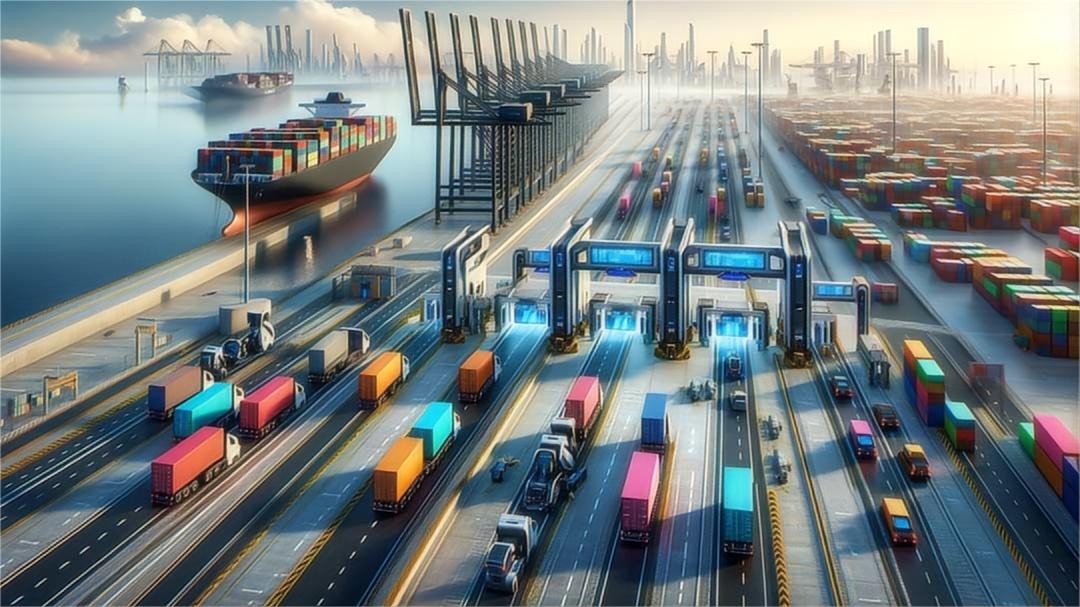
Understanding 40HC Shipping from China to USA Cost: A 2026 Operational Guide
Key Procurement Takeaways
- A standard 40HC container provides an optimal utilization target of approximately 65–70 CBM for general cargo.
- Ocean freight base rates represent only 50–60% of the total landed cost when factoring in destination THC, chassis splits, and drayage.
- Importer Security Filing (ISF) must be submitted at least 24 hours prior to vessel loading at Chinese ports to avoid a USD 5,000 penalty.
- Peak-season surcharges and General Rate Increases (GRI) are currently impacting the corridor, with volatility bands ranging from USD 300 to USD 800 per container.
- Total port-to-door transit times currently average 28–42 days, accounting for port dwell and destination CFS processing.
What Core Components Make Up 40hc Shipping from China to USA Cost in 2026?
The total cost is a composite of the ocean base rate, bunker adjustment factors (BAF), and mandatory destination port charges.
While base rates reflect the cost of port-to-port transit, the landed cost includes terminal handling charges (THC), container cleaning, and fuel indices that fluctuate monthly.
Importers must also account for the sea freight component, which remains the most volatile variable in the 2026 container market.
What Hidden Surcharges and Accessorials Inflate This Lane’s Quote?
Hidden accessorials like chassis splits, pier pass fees, and emergency bunker surcharges frequently inflate the final invoice.
At US ports such as Los Angeles or Savannah, drayage operators often apply additional fees for ‘tri-axle’ requirements or wait times exceeding two hours.
These costs, while seemingly minor, can aggregate into thousands of dollars if not managed by a proactive logistics provider.
| Accessorial / Surcharge Item | Typical Cost Band (USD) | Trigger Scenario | Financial Impact if Unmanaged |
|---|---|---|---|
| Customs Exam Hold (VACIS/CET) | $300 – $1,200 / entry | Random CBP customs physical inspection or X-ray hold | Unplanned exam and bonded yard demurrage fees |
| HS Code Tariff Discrepancy | Variable (10%–25% tax) | Factory misclassified HS code, triggering higher duties | Immediate customs penalty and bond suspension |
| Liftgate / Residential Drayage | $75 – $185 / drop | Final-mile address lacks loading dock or forklift | Re-delivery surcharges from domestic linehaul carriers |
| Single Entry Bond Shortfall | $65 – $150 / entry | Declared commercial invoice value exceeds bond limit | Cargo held until continuous bond supplement is filed |
| Demurrage During Tax Review | $150 – $300 / day | Importer of Record (IOR) VAT/Duty tax verification delay | Compound port storage while awaiting tax release |
All-In vs Itemized Billing: Which Quote Structure Fits Your Budget?
All-in pricing provides transparency but may hide premium margins, whereas itemized billing allows for granular cost control.
For high-volume shippers, an itemized structure is preferable as it allows for the benchmarking of individual services like drayage and customs clearance.
Our about page explains how we help clients navigate these structures to optimize bottom-line performance.
Illustrative Shipment Snapshots
Key metrics only — labeled illustrative scenarios for this corridor.
Home Goods Import: Shanghai to New York/New Jersey
A home goods shipper moved home décor and houseware assortments from Shanghai, China to New York/New Jersey on a scoped ocean lane.
Medical Devices Import: Guangzhou to Savannah
A medical devices shipper moved FDA-regulated medical device SKUs from Guangzhou, China to Savannah on a scoped ocean lane.
Strategic Gateway Routing for USA Cost Cargo
Strategic routing involves selecting the US POD that minimizes the total inland drayage distance to your final destination warehouse.
Imports moving to the Midwest are often better served by rail from West Coast ports (LA/LB) to avoid long-haul trucking costs and congestion.
For East Coast distribution, Savannah and NY/NJ remain the primary gateways, though they carry different cost structures for container handling.
| Document / Filing | Lead Time | Owner | Failure Mode |
|---|---|---|---|
| ISF 10+2 (US ocean) | ≥24h before load | Importer / broker | USD 5,000 CBP penalty |
| VGM verified gross mass | Before CY gate-in | Shipper / forwarder | Container barred from vessel |
| Telex / express release | Before arrival | Carrier / shipper | Cargo stuck at terminal |
| Commercial invoice B/L match | Pre-booking | Exporter | Customs hold / amendment fees |
End-to-End Transit Milestones and Dwell Times
Total door-to-door transit includes origin stuffing, ocean transit, customs clearance, and terminal dwell time.
In 2026, the average dwell time at major US terminals is approximately 4–6 days, which must be factored into your inventory planning.
Tracking these milestones through our blog resources can help you anticipate bottlenecks before they happen.
How Do Duty, GST/VAT, and Broker Fees Enter the True Landed Cost?
Duties are calculated based on the HTS code and the commercial value declared on the entry summary.
In the US, there is no VAT, but Merchandise Processing Fees (MPF) and Harbor Maintenance Fees (HMF) are mandatory for all ocean imports.
Professional customs clearance services are essential to ensure these costs are calculated accurately to avoid post-entry audits.
Mandatory Compliance and Document Checklist on This Lane
Compliance requires an accurate Bill of Lading, Commercial Invoice, and Packing List for every shipment.
For US imports, the Importer Security Filing (ISF) is the most critical pre-arrival document requirement.
Failure to provide these documents in time leads to cargo being held in bond, incurring significant daily costs.
Capacity Disruptions, GRI, and Peak-Season Management
Capacity disruptions often lead to GRI, where carriers increase rates mid-quarter to protect margins.
Peak season (typically July to October) sees the highest freight rates and lowest equipment availability.
Working with a dedicated partner allows you to secure space allocations in advance, mitigating the impact of these seasonal surges.
Decision Framework
Quote per CBM/kg must state whether origin CFS, ocean/air, and destination THC are included.
Faster modes raise surcharge stack—compare total landed, not base rate alone.
DG, oversized, or high-duty HS chapters shift accessorial and duty lines materially.
Landed-Cost Action Plan for 40hc Shipping from China to USA Cost
Credible 40hc Shipping from China to USA Cost analysis separates base rates from surcharges, duties, and destination fees on the China to USA trade lane.
Document excluded accessorials before award to avoid invoice shock after arrival and ensure your supply chain remains both predictable and cost-efficient in 2026.
Standard Operating Logistics Workflow
Scope & Incoterm Capture
Define EXW/FOB/DDP scope and what the quote must include.
Line-Item Rate Build
Separate base freight, surcharges, customs, and delivery bands.
Duty & Tax Estimate
Apply HS-driven duty and destination tax assumptions.
Scenario Comparison
Compare at least two modes or service levels with the same scope.
Quote Validation
Reconcile packing list weights/volumes against quoted bands.
Award & Booking
Lock awarded lane and document excluded accessorials in writing.
Need a Customized Quote?
Need an itemized, transparent landed-cost breakdown for your next shipment? Share your commercial details and destination requirements with our team to secure a competitive, all-in freight quote.
Get Instant Quote