USA Freight Forwarder for International Cargo Shipping: A 2026 Logistics Guide
“Choosing a reliable USA freight forwarder for international cargo shipping is a critical strategic decision for businesses looking to scale their global operations in 2026. As supply chain complexities rise, VeloTactics Logistics LLC provides the expertise required to navigate international trade lanes with precision, ensuring that your goods move seamlessly from origin to destination. Whether you are managing high-volume container loads or time-critical air freight, our team specializes in optimizing transit times and reducing overhead costs for importers and exporters alike. By partnering with a dedicated logistics provider, companies can mitigate the risks associated with port congestion and fluctuating carrier capacity. Our comprehensive approach integrates advanced tracking technology with local regulatory knowledge to keep your business ahead of market disruptions. This guide explores the essential components of efficient international logistics and how to leverage professional forwarding services to gain a competitive edge in today’s global economy. Published by VeloTactics Logistics LLC logistics research team.”
✦What Is USA freight forwarder for international cargo shipping and Who Is It For?
A USA freight forwarder for international cargo shipping acts as the primary orchestrator of your supply chain, managing the complex movement of goods across international borders. Unlike a carrier that only handles transport, a forwarder manages the entire logistics lifecycle, including documentation, customs filing, and carrier negotiations. This role is vital for businesses that lack the internal infrastructure to manage intricate global trade regulations and multi-modal transport transitions. Choose express shipping for samples and urgent replenishment under tight cutoffs.
Our services are designed specifically for importers, manufacturers, and e-commerce brands that require consistent reliability. For an Amazon seller, this means ensuring inventory arrives at fulfillment centers without delay. For a manufacturer, it means coordinating the delivery of raw materials to maintain production schedules. By delegating these responsibilities to a professional, you gain access to global networks that would otherwise be inaccessible to independent shippers.
The primary beneficiaries of these services are businesses that value transparency and risk management. As global trade conditions evolve, having an advocate who understands the nuances of the FMC and international maritime law provides a significant advantage. We help clients navigate the complexities of international trade, ensuring that every shipment is handled with the highest standards of care and efficiency.
Transport Mode Selection and Route Gateway Logic for USA freight forwarder for international cargo shipping
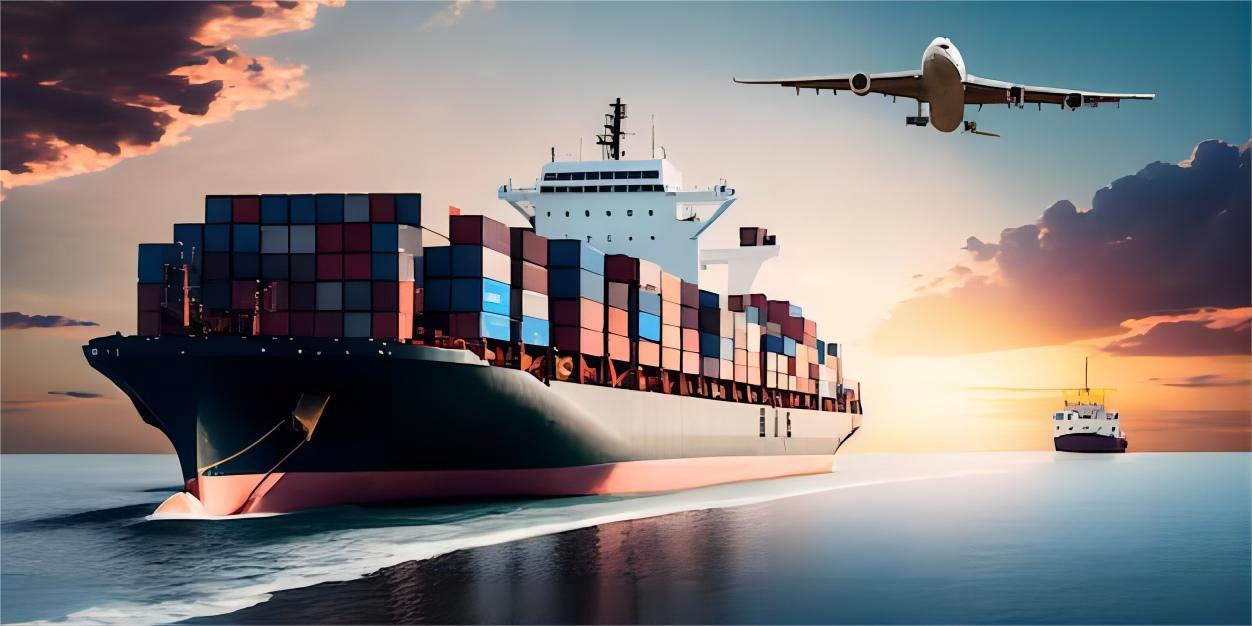
Selecting the correct transport mode is foundational to logistics success. Ocean freight remains the most cost-effective solution for high-volume, non-urgent cargo, utilizing major gateways like Los Angeles, Long Beach, and Savannah. Air freight, while significantly more expensive, is the preferred choice for high-value or time-sensitive goods that require rapid deployment to market.
Route gateway logic involves evaluating port congestion levels and inland connectivity. In 2026, many shippers are diversifying their entry ports to avoid bottlenecks at major hubs. Our services include strategic routing analysis to ensure that your cargo takes the most efficient path, balancing transit speed against overall expenditure. We work closely with carriers to secure space during peak seasons, providing stability when market capacity tightens.
Understanding the trade-offs between these modes is essential for long-term planning. While ocean freight offers lower rates per unit, air freight provides superior speed, which can be critical for new product launches or emergency restocks. We assist our clients in developing a hybrid logistics strategy that leverages the strengths of both modes to optimize both budget and delivery timelines.
Shipping Method Comparison
| Method | Cost | Transit Time | Best For |
|---|---|---|---|
| Ocean FCL | Low | 20-40 Days | High Volume |
| Ocean LCL | Medium | 25-45 Days | Small Shipments |
| Air Freight | High | 3-7 Days | Time Sensitive |
| Sea-Air | Medium-High | 12-18 Days | Urgent/Balanced |
FCL vs LCL and Cargo Configuration Breakdown
Full Container Load (FCL) shipping is typically the most economical choice for large shipments that fill an entire 20ft or 40ft container. By securing an entire unit, shippers benefit from reduced handling risks and faster transit, as the container remains sealed from the point of origin until it reaches the final destination. This method is ideal for manufacturers and large-scale distributors.
Less than Container Load (LCL) is the preferred alternative for smaller shipments that do not require an entire container. By consolidating your cargo with other shipments, you only pay for the specific space your goods occupy. While LCL is cost-effective, it requires additional handling at consolidation and deconsolidation points, which can introduce minor delays in the overall transit timeline.
Our services include expert guidance on how to best configure your cargo for maximum space utilization. We analyze your shipping volume to determine if FCL or LCL is the more efficient choice, helping you avoid unnecessary fees associated with improperly documented weights or dimensions while ensuring your goods are protected during transit.
Transit-Time Architecture and Port-to-Port Delivery Matrix
Transit time is a multifaceted metric influenced by carrier schedules, port congestion, and customs processing times. In 2026, market data suggests that transit times have stabilized compared to previous years, yet seasonal demand surges still cause periodic delays. A professional forwarder provides accurate lead-time forecasting to help you manage your inventory levels effectively.
The port-to-port matrix below outlines general expectations for major global routes. These estimates are based on typical direct shipping lanes and do not account for unforeseen weather events or industrial actions at major ports. We maintain constant communication with carriers to provide real-time updates on your cargo tracking, ensuring you are always aware of your shipment status.
Effective planning requires factoring in both the transit time and the time required for drayage and final distribution. By aligning your delivery schedule with anticipated arrival times, you can minimize warehouse storage costs and ensure that your products are ready for market exactly when needed. Our team monitors these variables daily to provide the most accurate shipping projections.
Transit Time by Destination (Approximate)
| Route | Method | Days | Notes |
|---|---|---|---|
| China to USA West Coast | Ocean | 18-25 | Direct Service |
| China to USA East Coast | Ocean | 30-40 | Via Panama Canal |
| Vietnam to USA | Ocean | 25-35 | Emerging Lane |
| Mexico to USA | Truck | 2-5 | Cross-Border |
Landed Cost Anatomy and Destination Port Surcharges
Calculating the total landed cost is essential for accurate pricing and profitability. This includes the freight rate, fuel surcharges, documentation fees, and destination port charges. Understanding these components helps importers avoid unexpected expenses that can erode margins. In 2026, fuel surcharges remain a significant variable due to energy market fluctuations.
We provide detailed cost breakdowns to our clients, ensuring transparency at every stage of the shipping process. By identifying potential surcharges early, we help you prepare your financial projections. Our about page details our commitment to integrity in all fee structures, ensuring that you are never caught off guard by hidden costs during the import process.
Beyond the base freight, other factors such as port congestion surcharges or war risk premiums may apply depending on the specific route. We monitor these industry-wide trends to offer advice on when to book shipments to avoid peak-season surcharges. Proactive management of these costs is a hallmark of an effective supply chain strategy and a core focus of our logistics operations.

Customs Clearance, Regulatory Compliance, and Required Documents
Customs clearance is often the most complex hurdle in international shipping. Compliance with U.S. Customs and Border Protection (CBP) regulations is mandatory, and errors in documentation can lead to significant delays or heavy fines. Our team manages the entire filing process, ensuring that all required paperwork is accurate and submitted in a timely manner.
Essential documents include the Commercial Invoice, Packing List, Bill of Lading, and any specific certificates required for the product type. We guide you through the process of obtaining these documents from your suppliers, verifying their accuracy against the cargo manifest. This rigor ensures that your goods pass through customs with minimal intervention or inspection.
Regulatory compliance is not just about avoiding fines; it is about ensuring the smooth flow of your goods into the domestic market. We keep updated on the latest changes in trade policy and tariff classifications, providing you with the peace of mind that your business is operating within the legal framework. Proper preparation is the best way to prevent customs-related bottlenecks.
Required Customs Documents
| Document | Required | Purpose |
|---|---|---|
| Commercial Invoice | Yes | Value/Origin Proof |
| Packing List | Yes | Content Breakdown |
| Bill of Lading | Yes | Contract of Carriage |
| ISF Filing | Yes | Security Compliance |
Seasonality, Carrier GRI, and Peak Disruption Management
The shipping industry is prone to seasonal cycles, particularly during the pre-holiday peak season when demand for container space skyrockets. General Rate Increases (GRI) are often implemented by carriers during these periods, leading to higher costs for shippers. We advise clients to plan their shipments well in advance to secure favorable rates and space allocations.
Disruption management is a critical component of our service. Whether it is port strikes, severe weather, or carrier capacity issues, we have contingency plans in place to keep your supply chain moving. By utilizing our blog, clients stay informed about industry trends and potential disruptions that could impact their shipping schedules in the coming months.
Our logistics strategy emphasizes building relationships with multiple carriers, which provides us with greater flexibility when disruptions occur. Instead of relying on a single channel, we can pivot to alternative routes or modes to maintain your delivery schedule. This adaptability is crucial for businesses that operate in highly competitive markets where speed and reliability are non-negotiable.
Strategic Decision Framework: Choosing Your Ideal Shipping Route
Choosing the ideal shipping route involves a strategic evaluation of your specific business needs. For high-value goods, the priority is often speed and security, which points toward air freight or premium ocean services. For mass-market commodities, the focus should be on minimizing landed costs through optimized ocean freight and consolidated FCL loads.
Your decision framework should also consider the nature of your cargo. Perishable or sensitive items require specific handling protocols and faster transit times, while durable goods may be more flexible. We work with you to categorize your inventory and develop a routing profile for each product line, ensuring that your logistics strategy is as efficient as possible.
Manufacturers and distributors should also evaluate their origin and destination points for potential inland transit efficiencies. By using rail-to-port connections (IPI), you can often reduce drayage costs and improve transit stability. We assist in mapping these options to create a logistics plan that supports your overarching company goals and growth objectives for the 2026 fiscal year.
Partnering for Success
Securing a professional USA freight forwarder for international cargo shipping is more than just a logistical necessity; it is a vital investment in your company’s growth. By leveraging expert knowledge, strategic routing, and robust customs compliance, you can insulate your business from market volatility and ensure consistent customer satisfaction.
At VeloTactics Logistics LLC, we are committed to providing the transparency, reliability, and innovation required to navigate the complexities of global trade. We invite you to contact us today to discuss your shipping requirements and discover how our tailored solutions can optimize your supply chain in 2026 and beyond.