
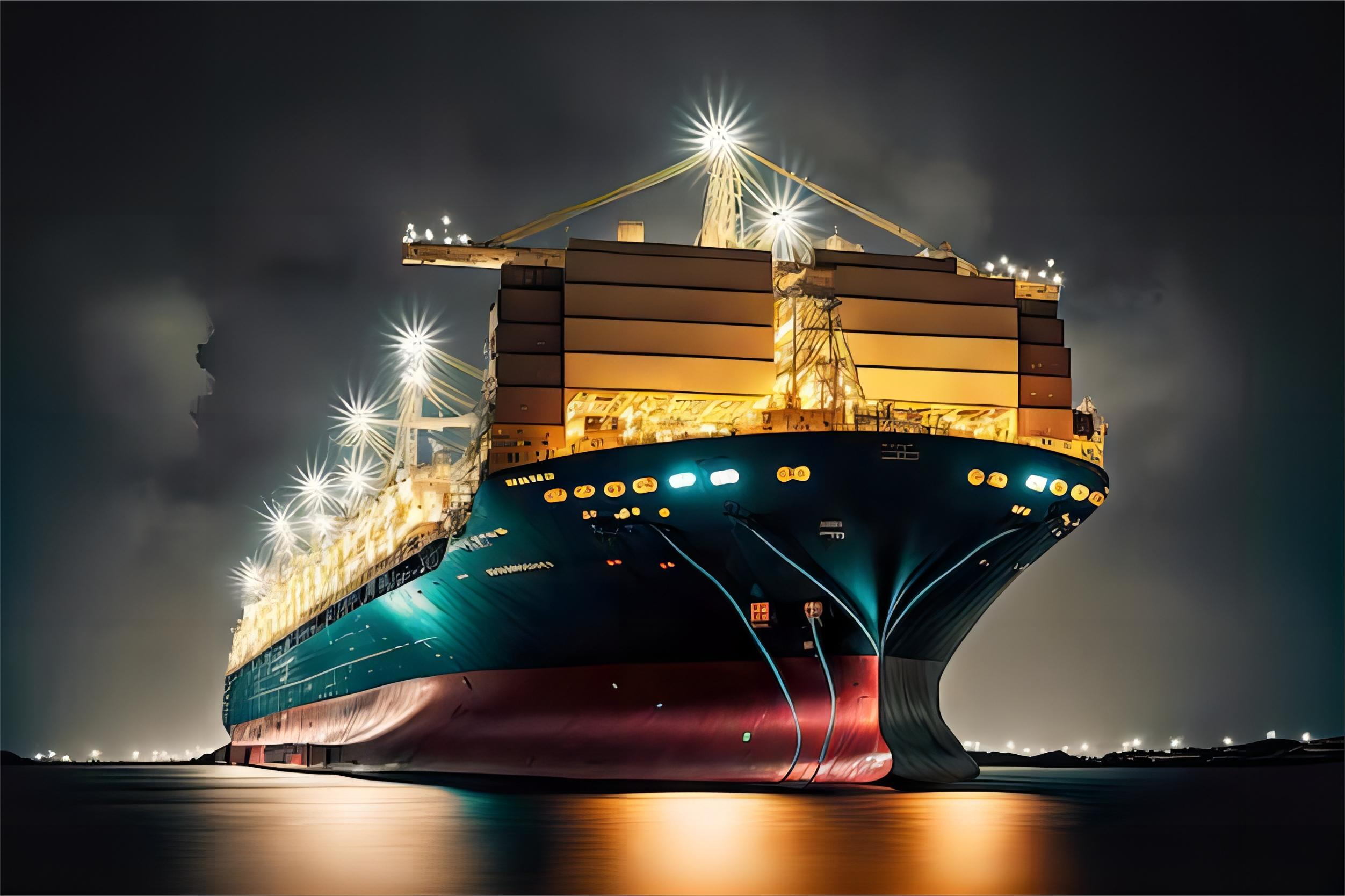
Warehouse Returns Management for Online Businesses: A 2026 Strategy
“Effective warehouse returns management for online businesses is no longer just a customer service requirement; it is a critical pillar of profitable supply chain operations in 2026. At VeloTactics Logistics, we help e-commerce brands navigate the complexities of reverse logistics to maintain margins and brand reputation. Visit the VeloTactics Logistics homepage at https://velotaclogistics.com/ to learn how we integrate seamless return workflows into your existing distribution network.”
❖
What Is Warehouse Returns Management for Online Businesses?
❖
Warehouse returns management for online businesses refers to the systematic process of handling, inspecting, and disposing of products returned by customers. It encompasses everything from the initial return authorization to the final disposition of the item, whether that is restocking, refurbishment, or recycling.
A robust reverse logistics strategy prevents inventory leakage and reduces the impact of mounting shipping costs. By partnering with a professional logistics provider, companies can streamline their import logistics and ensure that returned inventory is processed with the same speed as outbound shipments.
❖
Why Is Effective Reverse Logistics Vital in 2026?
❖
The 2026 freight market shows that consumer expectations for easy returns are at an all-time high. Failure to manage these returns efficiently leads to bloated warehouse storage and dead stock that eats into your bottom line.
When you leverage expert distribution services, you gain better visibility into your supply chain. This visibility allows for faster recovery of high-value goods, which is essential for maintaining competitive freight rates and overall operational health.
❖
Warehouse Returns Management Comparison: In-House vs. Outsourced
❖
Deciding between managing returns in-house or outsourcing to a 3PL involves weighing fixed overhead costs against variable service fees. For many growing brands, outsourcing provides the scalability needed to handle seasonal spikes in return volume.
The table below highlights the key differences in operational focus.
| Feature | In-House Management | Outsourced 3PL |
|---|---|---|
| Cost Structure | High Fixed Overhead | Variable/Scalable |
| Expertise | Internal Training Required | Industry Best Practices |
| Scalability | Limited by Facility Size | Highly Scalable |
| Technology | Manual Tracking Risks | Automated WMS Integration |

❖
Key Strategies for Reducing Return Processing Costs
❖
Minimizing return costs starts with accurate product descriptions and high-quality imagery to manage consumer expectations. When returns do occur, efficient drayage transportation and consolidation can significantly lower total logistics expenses.
Consider implementing a centralized hub for returns to reduce transit time and improve customs clearance efficiency for international imports. Our team at VeloTactics Logistics specializes in tailored supply chain solutions that address these specific pain points.
Optimizing Your Returns for Future Success
Mastering warehouse returns management for online businesses is essential for long-term scalability. By integrating professional logistics support, you can transform a cost center into a competitive advantage.
VeloTactics Logistics provides the expertise you need to optimize your distribution services and maintain a lean supply chain. Visit our https://velotaclogistics.com/services/ page to learn how we can support your business growth, or check our https://velotaclogistics.com/about/ page to see our commitment to global logistics excellence. For more insights, visit our https://velotaclogistics.com/blog/ or contact us directly at https://velotaclogistics.com/contact/.
Ready to streamline your logistics?
Need to streamline your reverse logistics? Request a free freight quote at https://velotaclogistics.com/send-inquiry/ to discuss your shipping costs, transit time, and customs clearance requirements with an expert logistics consultation team.
Frequently Asked Questions
What is the biggest challenge in reverse logistics?
How can I reduce the rate of customer returns?
Does outsourcing returns affect freight forwarding costs?
Why is drayage important for returned goods?
Can a 3PL help with Amazon FBA returns?
How does cargo insurance apply to returns?
What is the role of a warehouse management system in returns?
How do I handle international returns?