
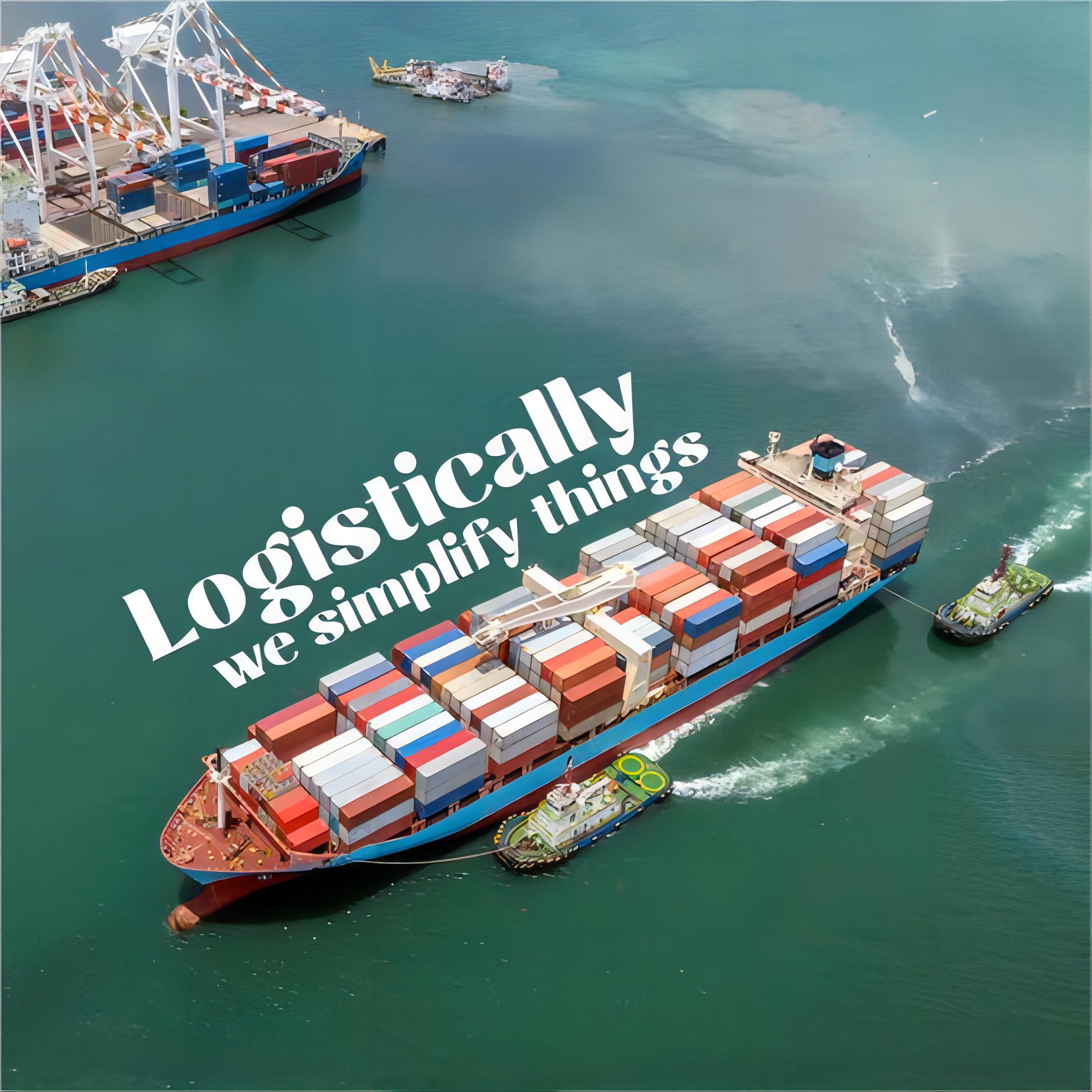
Shipping from USA to Australia Door to Door Shipping: A 2026 Guide
“When expanding your business reach, mastering the complexities of shipping from USA to Australia door to door shipping is essential for maintaining supply chain integrity. As a premier VeloTactics Logistics LLC logistics partner, we specialize in bridging the distance between North American suppliers and Australian markets. Whether you are moving commercial inventory or industrial equipment, our door-to-door solutions ensure your cargo moves seamlessly from the point of origin in the U.S. to your final destination in cities like Sydney, Melbourne, or Brisbane. By leveraging advanced services, businesses can optimize their transit times while minimizing the risks associated with international freight. Navigating these long-haul routes requires a deep understanding of regulatory compliance and carrier capacity. Published by VeloTactics Logistics LLC logistics research team. Last updated: August 18, 2026.”

What Is shipping from USA to Australia door to door shipping and Who Is It For?
❖Door-to-door shipping is a comprehensive logistics model where a single service provider manages the entire movement of goods from the consignor’s warehouse in the USA to the consignee’s facility in Australia. This eliminates the need for importers to coordinate with multiple vendors, such as drayage companies, freight forwarders, and destination customs agents. It provides a unified tracking experience and greater accountability throughout the journey.
This service is primarily designed for high-volume importers, manufacturers, and e-commerce brands that require predictable supply chain performance. By utilizing integrated logistics, companies reduce the administrative burden of manual coordination. It is particularly beneficial for businesses that lack an extensive internal logistics department but need to maintain a competitive edge in the Australian retail or industrial sectors through consistent, timely deliveries.
Furthermore, this model supports businesses that prioritize security and risk mitigation. Since the logistics provider oversees the cargo at every handoff point, the likelihood of miscommunication or documentation errors is significantly reduced. This is a critical factor for companies dealing with high-value goods or strict inventory turnover requirements where delays could lead to significant financial loss.
Transport Mode Selection and Route Gateway Logic for shipping from USA to Australia door to door shipping
❖Choosing the right transport mode depends heavily on the urgency of your shipment and the nature of your cargo. Ocean freight remains the most cost-effective solution for bulk goods, while air freight is reserved for high-value or time-sensitive items. Strategic routing through major gateways like Los Angeles or Long Beach to major Australian ports such as Port Botany or Port of Melbourne is standard practice for 2026.
The selection process involves analyzing the trade-offs between speed and expenditure. Air freight offers rapid transit, usually arriving within days, whereas ocean freight can take several weeks. Logistics planners must evaluate the total landed cost, including inland transportation, terminal handling charges, and potential warehousing fees, to determine the most viable route for their specific operational budget.
Our team evaluates route efficiency based on carrier schedules and port congestion levels. By maintaining strong relationships with major ocean carriers and air cargo operators, we ensure that your freight moves through the most reliable gateways, minimizing the risk of disruptions during peak transit periods.
| Method | Cost Level | Transit Time | Best For |
|---|---|---|---|
| Ocean Freight | Low | 25-45 Days | Bulk / Heavy Cargo |
| Air Freight | High | 3-7 Days | Urgent / High Value |
| Sea-Air | Moderate | 15-22 Days | Balanced Needs |
FCL vs LCL and Cargo Configuration Breakdown
❖Full Container Load (FCL) shipping is the preferred method for large shipments that fill an entire 20ft or 40ft container. This provides the most security, as the container is sealed at the origin and remains unopened until it reaches the destination facility. For businesses scaling their operations, FCL offers the best price-per-unit ratio for long-distance international transit.
Less than Container Load (LCL) is the alternative for smaller shipments that do not require a full container. In this configuration, your cargo shares space with other shippers’ goods. While LCL is more economical for smaller volumes, it involves additional handling at consolidation and deconsolidation points, which can slightly increase the risk of delays or damage compared to FCL.
We assist clients in determining the optimal container utilization to avoid ‘dead air’ or wasted space. By utilizing professional services for load planning, businesses can ensure their cargo is safe, compliant with international weight standards, and cost-optimized for the specific route to Australia.
Transit-Time Architecture and Port-to-Port Delivery Matrix
❖Transit time is a critical component of supply chain management. When shipping from the US West Coast to Australia, the typical transit time for ocean freight ranges from 20 to 35 days depending on the carrier schedule and port congestion. It is important to account for inland transit time from your US manufacturing facility to the gateway port before the main voyage begins.
Delays can occur due to various factors, including adverse weather, port strikes, or unexpected equipment shortages. Our logistics experts provide real-time updates and proactive planning to mitigate these risks. By analyzing industry benchmarks for 2026, we help clients set realistic delivery expectations for their customers, ensuring transparency throughout the shipping process.
For businesses requiring faster alternatives, air freight reduces transit time to under a week. However, this comes at a significantly higher cost. We often recommend a hybrid strategy for businesses with diverse product lines: using ocean freight for core inventory and air freight for seasonal spikes or emergency stock replenishment.
| Route | Method | Est. Transit Time |
|---|---|---|
| LA to Sydney | Ocean FCL | 22-28 Days |
| LA to Melbourne | Ocean FCL | 25-32 Days |
| NYC to Sydney | Air Freight | 4-6 Days |

Landed Cost Anatomy and Destination Port Surcharges
❖The landed cost includes every expense incurred until the cargo arrives at the final destination. This encompasses freight rates, port fees, customs duties, insurance, and local delivery charges. Understanding these components is vital for accurate financial planning, especially when dealing with fluctuating fuel surcharges and carrier capacity issues common in the 2026 freight market.
Destination charges in Australia can be significant if not properly anticipated. These include wharfage fees, terminal handling charges, and potential biosecurity inspection fees, which are strictly enforced by the Australian Department of Agriculture. Failure to account for these can lead to unexpected costs and shipment holds at the port of entry, causing costly delays for your distribution network.
We provide comprehensive cost analysis to help you avoid surprises. By leveraging our expertise in services, we ensure that your landed cost estimates are accurate and that you are prepared for all regulatory and operational expenses associated with importing into Australia.
Customs Clearance, Regulatory Compliance, and Required Documents
❖Customs clearance is the most critical hurdle in international logistics. Australia has stringent import regulations, particularly concerning biosecurity and prohibited items. Ensuring your documentation is accurate and submitted on time is essential to prevent cargo seizure or heavy fines. Our team manages the entire about the complexities of customs, ensuring compliance with both US export laws and Australian import requirements.
Commonly required documents include the commercial invoice, packing list, bill of lading, and, depending on the nature of the goods, certificates of origin or fumigation certificates. For goods made of wood or agricultural products, specific biosecurity declarations are mandatory. Our experts guide you through the process, ensuring every piece of paperwork meets the standards of the Australian Border Force.
Proactive compliance management reduces the risk of inspection-related delays. By working with a knowledgeable partner, you ensure that your documentation is reviewed long before the cargo reaches the port, allowing for a smooth transition through the customs clearance phase.
| Document | Purpose | Requirement |
|---|---|---|
| Commercial Invoice | Valuation/Tax | Mandatory |
| Packing List | Inventory Detail | Mandatory |
| Bill of Lading | Ownership/Contract | Mandatory |
| Cert. of Origin | Duty Assessment | Conditional |
Seasonality, Carrier GRI, and Peak Disruption Management
❖The freight market is highly seasonal, with demand peaking before holidays and major promotional events. During these times, carrier capacity is often strained, leading to General Rate Increases (GRI) and potential equipment shortages. Planning your shipping schedule months in advance is the best defense against these market pressures.
In 2026, we have observed that proactive capacity booking is the key to maintaining a consistent supply chain. When market data suggests an upcoming peak, our team works to secure space on vessels early, protecting your business from the volatility of spot market pricing. This strategic approach is a cornerstone of our services.
We also monitor port operational data to anticipate potential congestion. Whether it is labor negotiations at major hubs or seasonal weather events, having a contingency plan is part of our commitment to your success. By staying informed on global logistics trends, we minimize the impact of external disruptions on your door-to-door delivery schedule.
Step-by-Step Logistics SOP: From Factory Booking to Final Delivery
❖The logistics process begins with a detailed booking that captures the specific requirements of your shipment. We coordinate the collection of cargo from your US facility, ensuring that all items are properly palletized and labeled for international transit. This initial stage is crucial for ensuring that the cargo can withstand the rigors of ocean travel.
Once the cargo is in transit, we provide constant visibility through our blog and tracking tools. You will receive updates as the shipment moves through the port of origin, crosses the ocean, and arrives at the Australian port of entry. Our team handles the customs clearance process in parallel, ensuring that all duties and taxes are settled before arrival.
After the goods are cleared, the final leg of the journey involves drayage and local distribution to your warehouse or retail outlet. This final mile is just as important as the ocean voyage, as it determines the final arrival time at your facility. We coordinate with local Australian transport partners to ensure that the goods are delivered safely and in accordance with your specified schedule.
Strategic Decision Framework: Choosing Your Ideal Shipping Route
❖When deciding on your shipping strategy, consider your primary objective: is it cost-efficiency or speed? High-value electronics may justify the expense of air freight, whereas heavy industrial components are almost always better suited for ocean freight. This framework helps you align your logistics choice with your broader business goals.
Consider the frequency of your shipments. Consistent, smaller shipments might benefit from LCL consolidation, while larger, sporadic shipments are ideal for FCL. By evaluating your inventory turnover rates, we can help you design a shipping cadence that keeps your warehouse costs low and your stock levels optimal.
Finally, assess your risks. If your business depends on zero-downtime, investing in comprehensive cargo insurance and utilizing premium carrier services is a prudent decision. Our logistics consultants are available to help you weigh these factors and build a custom strategy that supports your long-term growth in the Australian market.
Secure Your Supply Chain to Australia
Successfully managing shipping from USA to Australia door to door shipping requires a partner who understands the nuances of international trade and the specific requirements of the Australian regulatory environment. By choosing a professional logistics provider, you ensure that your cargo is handled with precision and that your transit times remain predictable.
VeloTactics Logistics LLC is dedicated to providing the expertise and infrastructure needed to support your expansion. From customs clearance to final delivery, we are committed to optimizing your logistics operations for 2026 and beyond. Contact us today to discuss your shipping requirements and discover how our solutions can drive your business forward.