
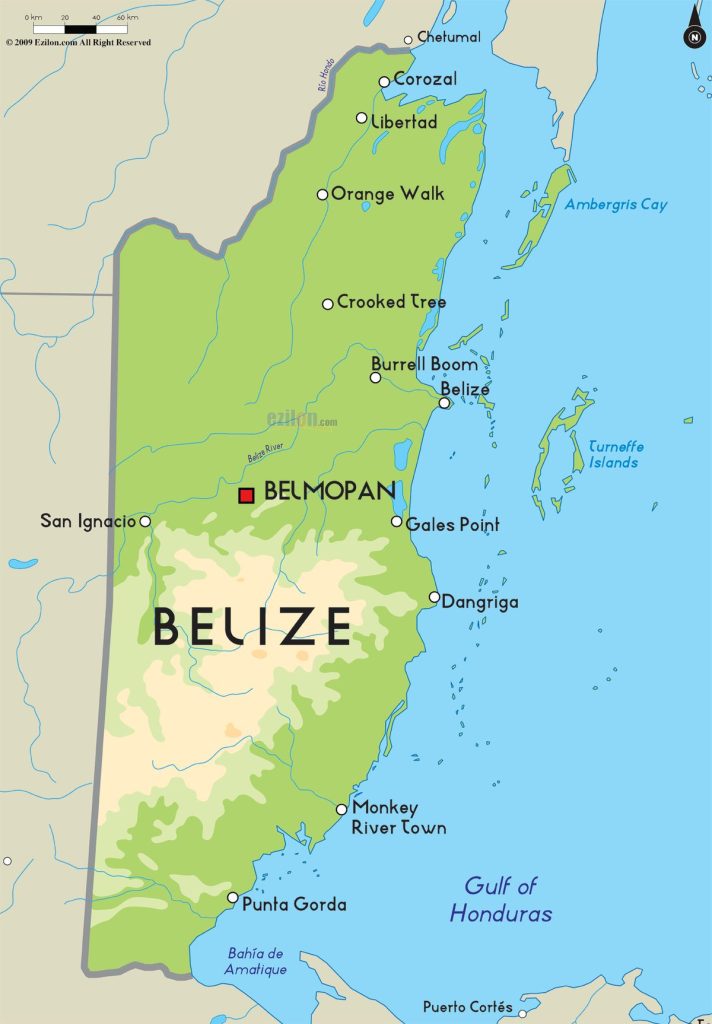
Reliable, cost-effective, and professionally coordinated logistics solutions for Shipping From Belize To USA.
Velotac Logistics provides door-to-door freight services from Belize to destinations across the USA, including ocean freight, air freight, customs clearance, warehousing, drayage, and final delivery.
Supported by strong carrier partnerships and integrated U.S. logistics networks, we ensure stable transit times, secure cargo handling, and flexible shipping solutions tailored to global supply chain needs.
Your Logistics Needs, Our Expertise.
Building a Resilient Supply Chain Through Partnership.

Why Choose Velotaclogistics
Worldwide Port Coverage Overview
🚢 Primary Commercial Port
Port of Belize City
🚢 Industrial / Agricultural Port
Big Creek Port
🚢 Local Minor Ports
Commerce Bight Port
Dangriga Port
🚢 Fishing Port
Sarteneja Port
SERVICE TIERS
Transportation Service Categories

Fast and reliable air freight service with 2–7 days transit time from Belize to the USA. We work with DHL, FedEx, and UPS to ensure stable and efficient delivery.
Ideal for e-commerce, samples, and time-sensitive cargo requiring fast customs clearance and stable delivery.
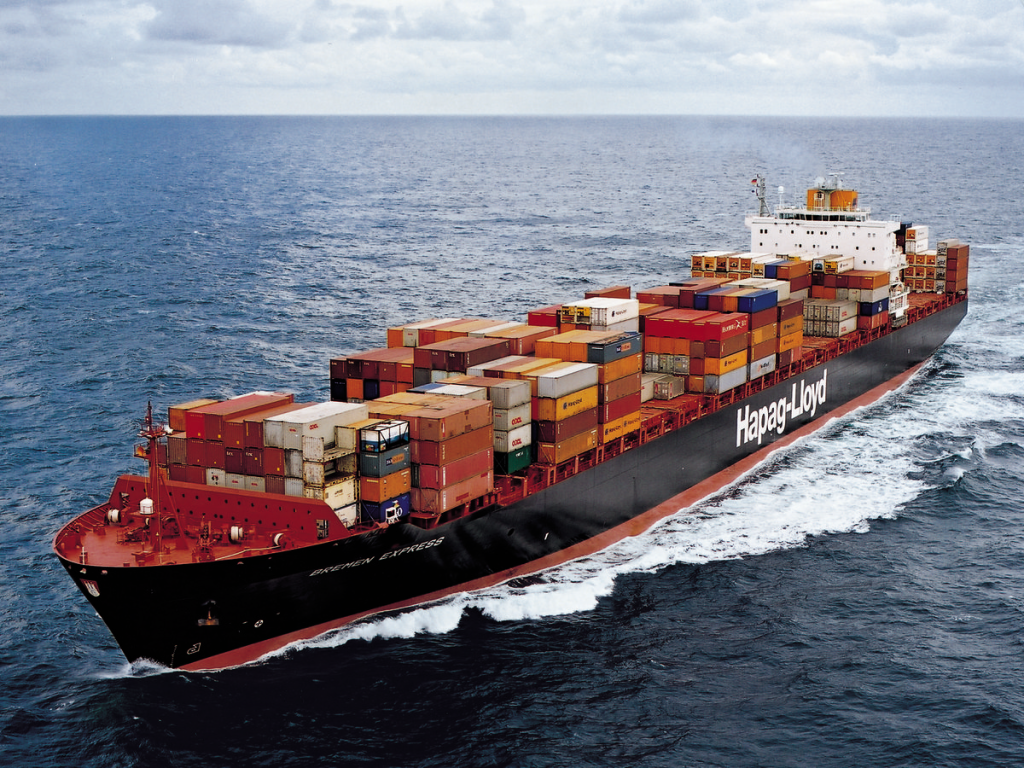
Cost-effective and stable ocean freight service for bulk cargo shipping from Belize to the USA.
Ideal for businesses seeking lower shipping costs with reliable container shipping and full customs support.
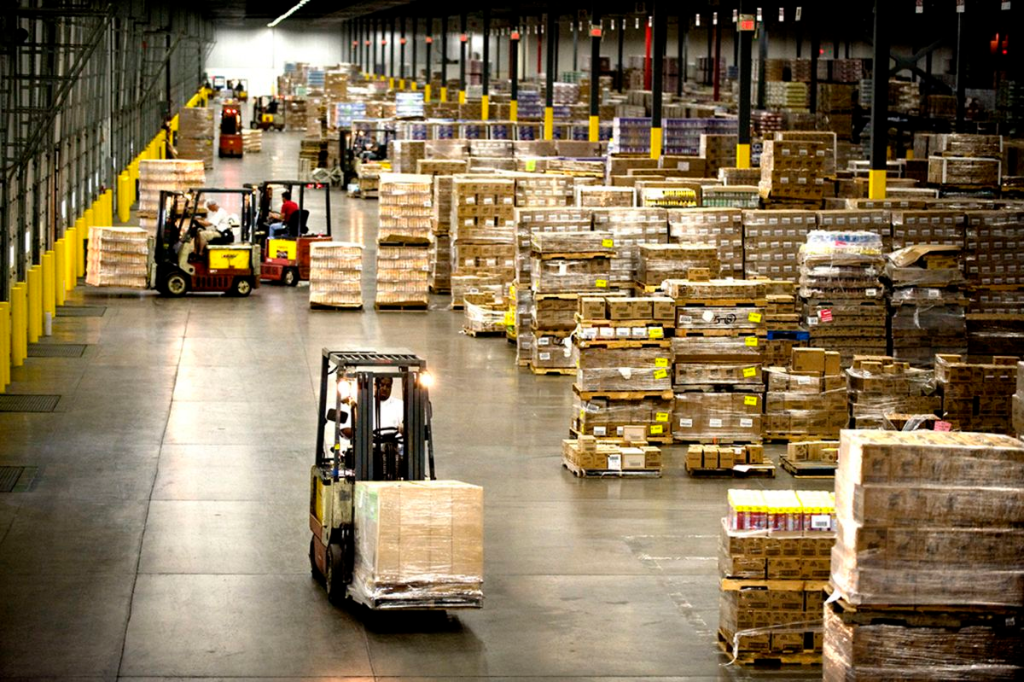
Flexible and secure warehousing solutions to support your global supply chain from Belize to the USA.
Ideal for businesses needing efficient storage, faster order processing, and smoother international shipping operations.
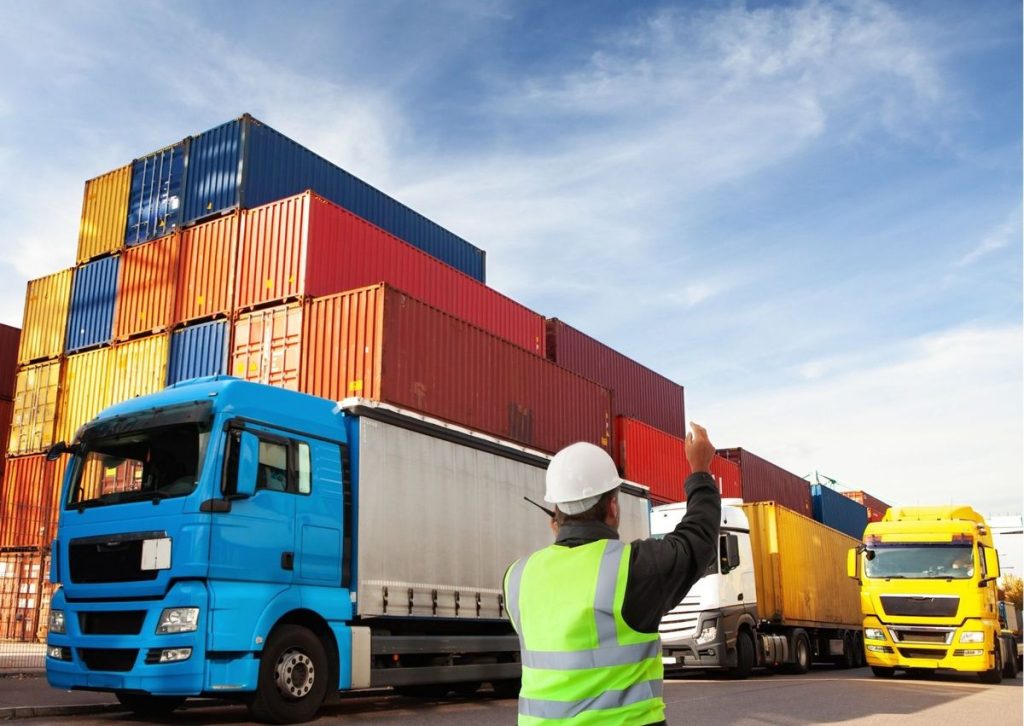
Reliable short-distance container transport connecting US ports, rail yards, and warehouses after ocean freight from Belize.
Ideal for moving containers quickly after sea freight from Belize to ensure smooth customs release and efficient inland delivery across the United States.
OPERATIONAL EXCELLENCE
Our Shipping Process
Provide shipment details including weight/volume and routing preferences. We confirm optimal carriers and schedules to ensure lead-time stability.
Cargo is transferred onto contracted flights. We monitor real-time schedules and provide milestone updates throughout the transit phase.
Cargo is collected or received at Velotaclogistics hubs. Our team performs measurement, repacking, and precise labeling while preparing export documentation.
Arrival at U.S. hubs (LAX/SFO/ORD). Bonded handling and coordinated clearance through licensed brokers precede pallet breakdown.
Compliant export filing for all express and special-line shipments, managed through standardized digital workflows to prevent origin delays.
Seamless transition to last-mile carriers. Full visibility remains active from initial pickup to the final milestone at destination.
When product specifications are missing or incomplete, customs clearance can be delayed due to classification uncertainty. Authorities may request additional technical descriptions, material details, or supplier confirmations. Logistics providers typically conduct pre-document reviews to ensure accuracy before export. Warehouse teams may also inspect goods to verify specifications. Resolving these issues early helps avoid customs holds, reduces misclassification risks, and ensures smoother coordination across shipping, trucking, and import clearance processes into the United States.
Yes. Consolidation is commonly used when importing from several suppliers across Belize. Goods are typically collected at a warehouse, inspected, and combined into a single export shipment. This reduces transportation costs and simplifies customs documentation. However, each supplier’s goods must remain clearly identified through labeling and inventory tracking. Proper consolidation also improves cargo space utilization and allows better control over customs declarations when entering the U.S. logistics system.
Missing export permits can stop cargo from leaving the country or cause delays at customs. Authorities may require corrections, additional approvals, or supporting documentation before release. Logistics providers often assist in verifying permit requirements based on cargo type. Warehousing services may hold goods securely until paperwork is completed. Ensuring permits are accurate and submitted early helps prevent disruptions and ensures compliance with both Belize export regulations and U.S. import requirements.
Fragile seafood products require strict cold-chain management, including refrigerated storage, insulated packaging, and temperature-controlled transport. Warehouses often pre-chill goods before dispatch, and carriers monitor conditions during transit. Maintaining consistent temperature is essential to preserve product quality and meet U.S. food import standards. Any temperature fluctuation can lead to spoilage, rejection, or compliance issues. Proper coordination between warehousing, air or sea transport, and customs clearance is critical for safe delivery.
Yes. Warehousing in the United States allows imported goods to be stored temporarily before final distribution decisions are made. This is useful when demand is uncertain or sales channels are still being arranged. Goods remain secure while businesses plan trucking routes or retail allocations. Warehousing also allows labeling, repacking, or sorting if needed. This flexibility helps importers manage inventory efficiently and align logistics with market demand.
Common issues include inconsistent invoice values, missing HS codes, incomplete consignee details, and unclear product descriptions. These errors can trigger customs inquiries or shipment delays. Logistics providers typically review all documents before submission to ensure consistency across invoices, packing lists, and declarations. Warehouse inspections may also help verify product details. Accurate documentation is essential for reducing customs risks and ensuring smooth import clearance into the United States.
If goods are found damaged during inspection, warehouse teams document the condition, take photographs, and assess whether repackaging or replacement is needed. This helps prevent damaged products from entering the shipping process. Suppliers may be notified for corrective action before export. Proper inspection reduces disputes, improves shipment quality, and supports insurance claims if damage occurred before or during handling in Belize.
Yes. Trucking services are used to collect cargo from multiple inland locations and deliver it to consolidation warehouses or ports. This includes pickups from factories, farms, and commercial facilities. Route planning ensures efficient collection and minimizes delays. Coordinated trucking also helps ensure all goods arrive together for inspection and export preparation. This is especially important for shipments involving multiple suppliers or time-sensitive cargo.
Mixed cargo requires careful separation due to different storage and handling requirements. Perishable goods may need refrigeration, while dry goods require standard conditions. Improper separation can lead to spoilage or contamination risks. Warehousing services often segregate cargo before export to maintain product integrity. Customs documentation must also clearly distinguish product categories to ensure proper classification and compliance during U.S. import processing.
Random inspections involve physical examination, document verification, or scanning by customs authorities. During this process, shipment release may be delayed while officials review compliance. Proper documentation and accurate declarations significantly reduce complications. Logistics providers assist by preparing all required records in advance. Warehouse inspection reports and product photos can also help speed up resolution if additional clarification is requested during inspection.
Yes. Warehousing services in the U.S. often include repackaging, relabeling, palletizing, and sorting. This is useful when products need to meet retail or distribution standards. Repackaging may also be required if packaging was damaged during transit or if inventory must be reorganized for different sales channels. This process improves distribution efficiency and ensures products are ready for final delivery to customers or retail locations.