
Reliable, cost-effective, and professionally coordinated logistics solutions by Velotac Logistics from Dominica to the United States.
Velotac Logistics provides door-to-door freight services from major ports in Dominica to destinations across the USA, including ocean freight, air freight, customs clearance, warehousing, drayage, and final delivery.
Supported by strong carrier partnerships and integrated U.S. logistics networks, we ensure stable transit times, secure cargo handling, and flexible shipping solutions tailored to global supply chain needs.
Your Logistics Needs, Our Expertise.
Building a Resilient Supply Chain Through Partnership.
Why Choose Velotaclogistics
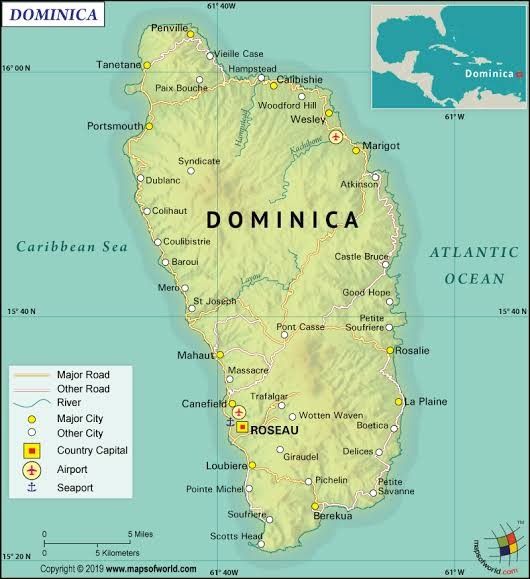
Worldwide Port Coverage Overview
 Tourism + Yacht Marina
Small-scale Cargo and Resupply
Serving the Northern Economy
Tourism + Yacht Marina
Small-scale Cargo and Resupply
Serving the Northern Economy
🚢 Core Commercial Ports
Port of Roseau
Woodbridge Bay Port
🚢 Regional Port
Port of Portsmouth
🚢 Small Local Ports
Soufrière Bay
Scott’s Head Landing
SERVICE TIERS
Transportation Service Categories

Fast and reliable air freight service with 2–7 days transit time from Dominica to the USA. We work with major international carriers such as DHL, FedEx, and UPS to ensure stable and efficient delivery.
Ideal for e-commerce, samples, and time-sensitive cargo requiring fast customs clearance and stable international delivery.
Cost-effective and stable ocean freight service for bulk cargo shipping from China to the USA.
Ideal for businesses seeking lower shipping costs with reliable container shipping and full customs support.
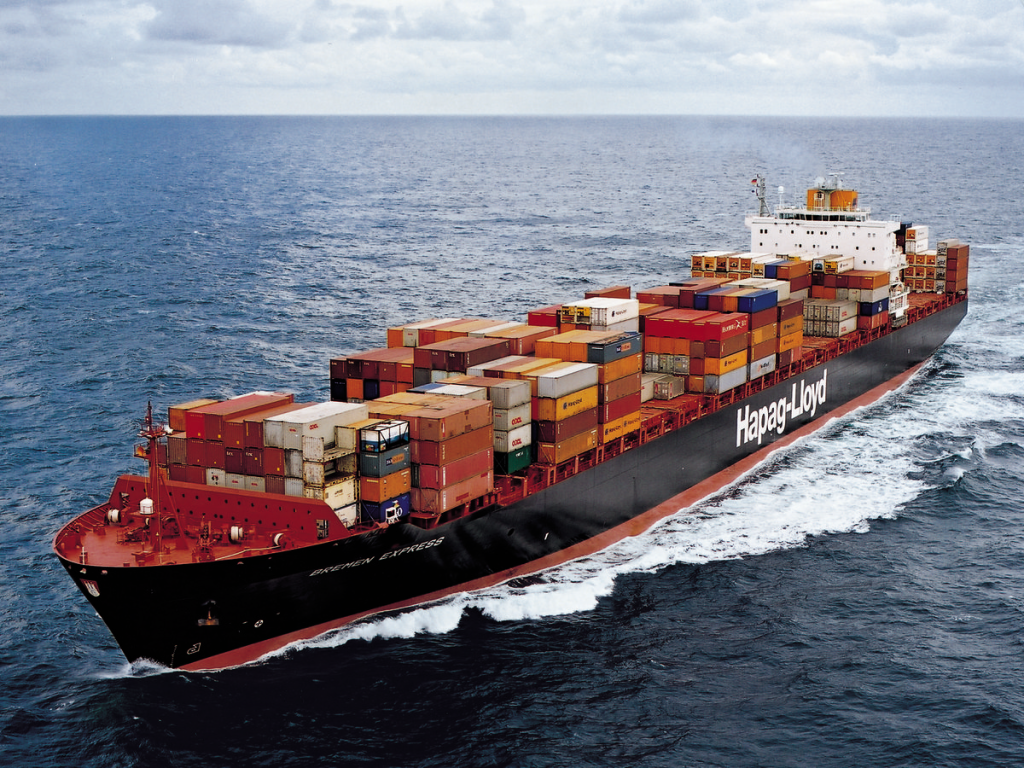
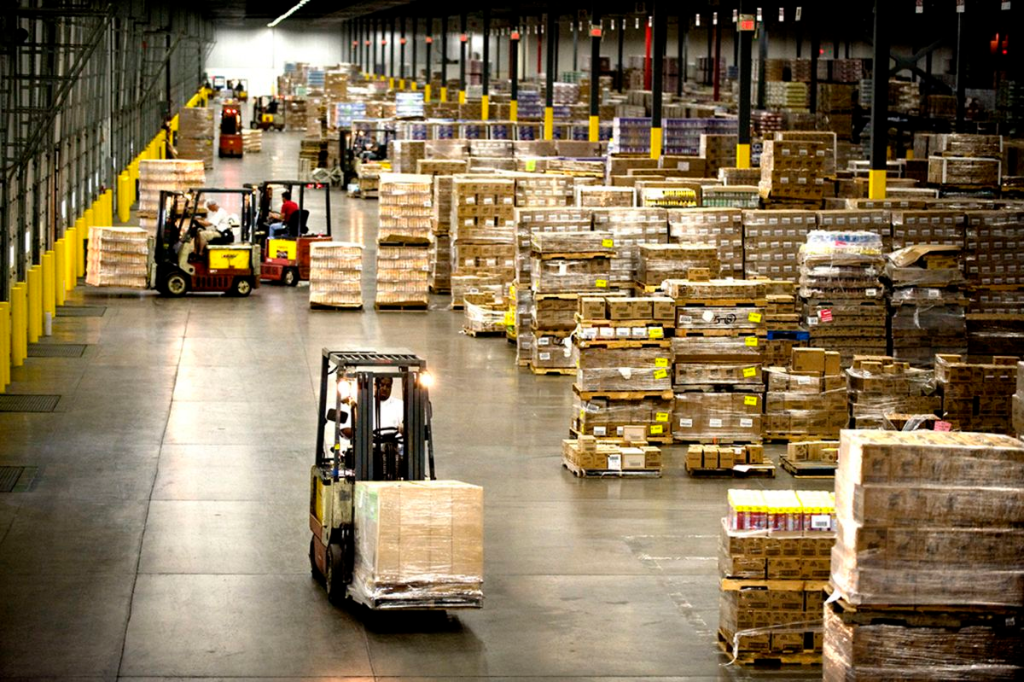
Flexible and secure warehousing solutions to support your global supply chain.
Ideal for businesses needing efficient storage, faster order processing, and smoother international shipping operations.
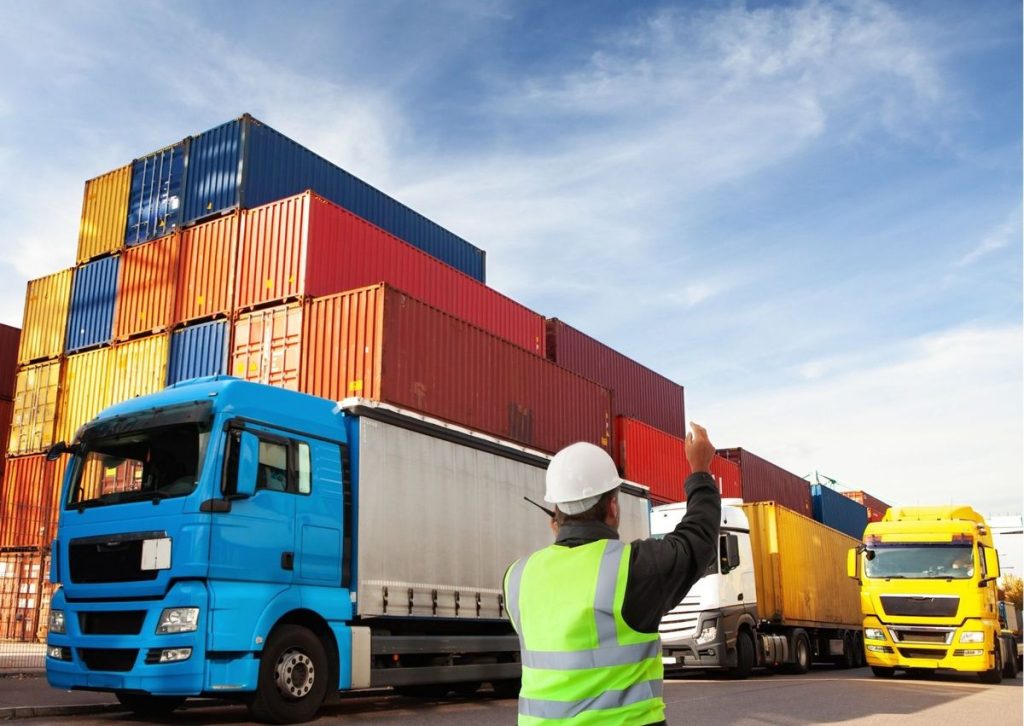
Reliable short-distance container transport connecting ports, rail yards, and warehouses across the United States.
Ideal for moving containers quickly after ocean freight to ensure smooth customs release and efficient inland delivery.
OPERATIONAL EXCELLENCE
Our Shipping Process
Provide shipment details including weight/volume and routing preferences. We confirm optimal carriers and schedules to ensure lead-time stability.
Cargo is transferred onto contracted flights. We monitor real-time schedules and provide milestone updates throughout the transit phase.
Cargo is collected or received at Velotaclogistics hubs. Our team performs measurement, repacking, and precise labeling while preparing export documentation.
Arrival at U.S. hubs (LAX/SFO/ORD). Bonded handling and coordinated clearance through licensed brokers precede pallet breakdown.
Compliant export filing for all express and special-line shipments, managed through standardized digital workflows to prevent origin delays.
Seamless transition to last-mile carriers. Full visibility remains active from initial pickup to the final milestone at destination.
Dominica’s mountainous volcanic terrain creates logistical challenges for inland trucking, especially when roads are narrow, steep, or affected by heavy rainfall. Cargo may need to be transferred using smaller vehicles or staged at intermediate points before reaching central warehouses. Logistics providers coordinate carefully scheduled pickups to avoid bottlenecks. Warehouses ensure goods are consolidated once all segments arrive. This system helps maintain inventory accuracy and ensures shipments are fully prepared for export processing to the United States without loss or misrouting during inland transport.
Agricultural products grown in Dominica’s volcanic soil often require origin certification to verify authenticity and compliance with U.S. import regulations. If documentation is incomplete or inconsistent, customs may request additional verification or delay clearance. Warehouses verify farm origin records, match certificates with physical cargo, and ensure traceability before export. Proper documentation helps confirm product authenticity and prevents classification disputes during U.S. agricultural inspection procedures.
Yes, Dominica relies on coastal port systems for cargo movement, and ferry or small vessel disruptions can impact consolidation timing. Weather conditions such as tropical storms or rough seas may delay inter-port transfers. Logistics providers adjust trucking schedules and warehouse intake plans accordingly. Cargo is securely stored until all components arrive for consolidation. Once complete, shipments are verified and prepared for export to the United States through air or ocean freight channels.
Agricultural exports from Dominica may include fruits, herbs, and root crops that require strict phytosanitary separation. Warehouses categorize products by type, verify treatment certificates, and ensure labeling consistency before export. Improper mixing can lead to inspection delays or partial shipment rejection. Structured separation ensures compliance with U.S. agricultural import standards and reduces the risk of quarantine or additional inspection at destination ports.
Cocoa exports require detailed fermentation and drying documentation to ensure quality grading and traceability. If records are inconsistent, customs or buyers may question product classification or premium certification status. Warehouses verify batch logs, align documentation with physical cargo, and ensure consistency before export. This prevents disputes and ensures smooth clearance within U.S. specialty food import channels.
Yes, Dominica’s tropical climate can lead to high humidity exposure, which may affect packaging integrity and product quality. Warehouse inspections identify mold risk, moisture damage, and carton weakening before export. If issues are found, goods may be repackaged or treated with protective materials. This ensures cargo remains stable and compliant during long-distance transport to the United States.
Electronics transported across Dominica’s mountainous terrain are exposed to vibration, humidity, and temperature fluctuations. Warehouses use anti-static packaging, sealed containers, and moisture-absorbing materials to protect sensitive goods. Pre-shipment inspections confirm that devices are properly secured. These measures help prevent damage during trucking and subsequent international transport to U.S. mainland destinations.
Local agricultural suppliers may use informal measurement units that are not compatible with international standards. Logistics providers convert all data into standardized metric units before export documentation is finalized. Warehouses verify quantities and ensure consistency across invoices, packing lists, and customs declarations. This prevents classification errors and ensures accurate duty calculation during U.S. import processing.
Yes, trucking services in Dominica regularly collect agricultural goods from remote farming regions. Due to limited road infrastructure, logistics providers coordinate carefully scheduled pickups and transfer cargo to central warehouses. This ensures proper documentation, inspection, and consolidation before export. It allows small farmers to participate in international trade without direct access to port facilities.
Perishable goods require continuous refrigeration to maintain quality. If cooling systems fail, warehouses immediately assess exposure time and product condition. Depending on severity, cargo may be re-cooled, repackaged, or rejected. Temperature logs are reviewed to ensure compliance with U.S. food safety standards. This process ensures only safe and compliant goods proceed to export channels.
Processed and raw agricultural goods require different classification codes and safety documentation. Mixing them without separation can cause customs delays or inspection requests. Warehouses separate cargo categories, verify labeling accuracy, and ensure documentation consistency before export. This ensures compliance with U.S. import regulations and improves clearance efficiency.
Oversized machinery requires detailed documentation including dimensions, weight, and technical specifications. Warehouses inspect equipment, prepare reinforced crating, and ensure accurate labeling before export. Logistics providers coordinate safe handling during trucking and international freight transport. Proper preparation reduces inspection risks and ensures compliance with U.S. customs entry procedures.