
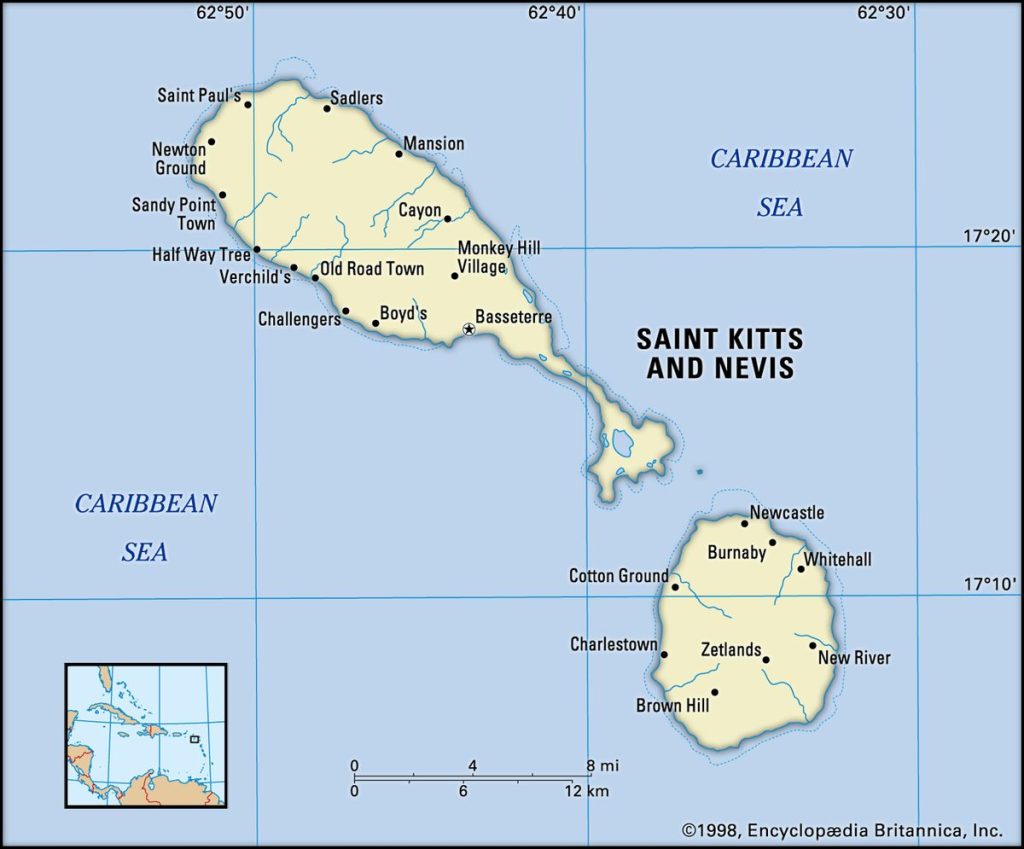
Velotac Logistics offers customized freight services connecting St. Kitts and Nevis with major U.S. destinations, covering ocean freight, air cargo, customs processing, bonded warehousing, container drayage, and inland delivery solutions.
With access to regional Caribbean shipping routes and extensive U.S. distribution networks, we provide flexible transport options, secure cargo coordination, and smooth end-to-end logistics support for commercial and personal shipments.
Your Logistics Needs, Our Expertise.
Building a Resilient Supply Chain Through Partnership.
Why Choose Velotaclogistics
Worldwide Port Coverage Overview
 The nation's primary commercial and cruise port
Located in the capital city, Basseterre
Handles container traffic, small cargo, and tourism
A key stopover point for Caribbean cruise lines
The nation's primary commercial and cruise port
Located in the capital city, Basseterre
Handles container traffic, small cargo, and tourism
A key stopover point for Caribbean cruise lines
🚢 Commercial / Cruise Ports
Port Zante
Deep Water Port Basseterre
🚢 Inter-island / Local Ports
Charlestown Port
Long Point Port
SERVICE TIERS
Transportation Service Categories

Fast and secure air freight service from St. Kitts and Nevis to the United States with average transit times of 1–5 days depending on flight schedules, customs processing, and final destination.
Air freight from St. Kitts and Nevis is ideal for time-sensitive cargo requiring faster customs clearance, stable transit schedules, and secure international delivery to the USA.
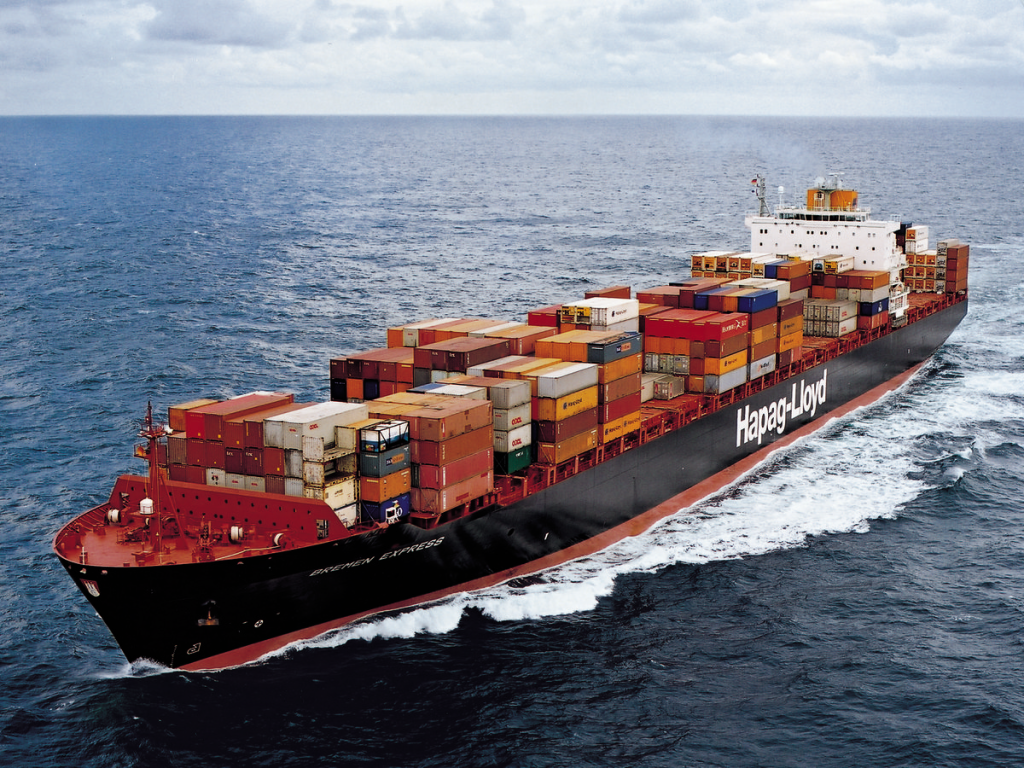
Reliable and cost-effective ocean freight service from St. Kitts and Nevis to the United States for commercial cargo, consolidated shipments, and container transportation.
Sea freight from St. Kitts and Nevis to the USA is ideal for businesses seeking lower transportation costs, stable container shipping schedules, and reliable customs clearance support for international cargo movement.
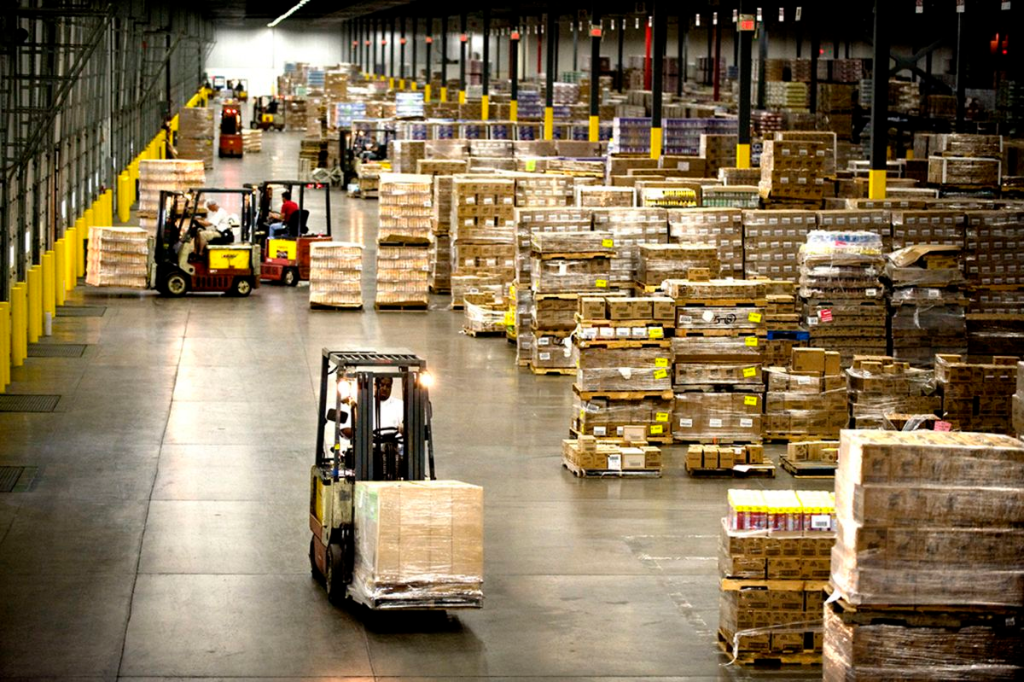
Flexible and secure warehousing solutions supporting cargo movement from St. Kitts and Nevis to the United States through integrated storage and distribution services.
Warehousing services are ideal for businesses requiring efficient cargo handling, faster order processing, inventory management, and smoother international shipping operations between St. Kitts and Nevis and the USA.
Reliable short-distance container transport within the United States, supporting shipments arriving from St. Kitts and Nevis via ocean or air freight for fast inland distribution.
Drayage services ensure fast container movement after arrival from St. Kitts and Nevis, helping reduce port congestion, speed up customs release, and support efficient last-mile and warehouse delivery across the United States.

OPERATIONAL EXCELLENCE
Our Shipping Process
Provide shipment details including weight/volume and routing preferences. We confirm optimal carriers and schedules to ensure lead-time stability.
Cargo is transferred onto contracted flights. We monitor real-time schedules and provide milestone updates throughout the transit phase.
Cargo is collected or received at Velotaclogistics hubs. Our team performs measurement, repacking, and precise labeling while preparing export documentation.
Arrival at U.S. hubs (LAX/SFO/ORD). Bonded handling and coordinated clearance through licensed brokers precede pallet breakdown.
Compliant export filing for all express and special-line shipments, managed through standardized digital workflows to prevent origin delays.
Seamless transition to last-mile carriers. Full visibility remains active from initial pickup to the final milestone at destination.
Yes, but proper documentation is essential. Commercial goods usually require invoices and customs declarations, while personal effects may need separate paperwork. Combining both in one shipment can trigger additional customs review, so accurate cargo classification helps avoid clearance complications and unexpected handling costs.
Incomplete export paperwork can delay cargo acceptance, customs processing, or final delivery. Missing product descriptions, incorrect values, or absent commercial invoices often create compliance issues. Our customs clearance team reviews documents before departure to identify errors and reduce the risk of shipment holds.
Yes. Warehouse services allow cargo from different suppliers in St. Kitts and Nevis to arrive at a single facility before shipment. Consolidation can reduce transportation costs, improve cargo management, and simplify customs paperwork by combining multiple orders into one coordinated shipment.
Large construction items may require specialized ocean freight containers, flat racks, or dedicated trucking arrangements after arrival. Cargo dimensions, weight distribution, and port handling requirements are reviewed in advance to ensure compliance with transportation regulations and avoid loading restrictions.
Yes. Certain goods such as cosmetics, food ingredients, or pharmaceuticals may require controlled storage before air freight departure. Temperature-managed warehousing helps maintain product quality while awaiting export processing, flight bookings, or customs inspections.
Shipments containing various product types often require separate tariff classifications and supporting documents. Customs authorities may request additional information when products fall under different import regulations. Proper cargo categorization before shipping helps prevent reclassification disputes and unexpected duty assessments.
Yes. After ocean freight or air freight clearance, trucking services can move cargo directly to warehouses, distribution centers, retail stores, or final business locations. Coordinated inland transportation reduces handling transfers and improves supply chain visibility throughout the delivery process.
Submitting complete documents before arrival significantly improves customs processing efficiency. Pre-arrival clearance preparation, accurate cargo declarations, and prompt responses to customs requests help minimize warehouse storage charges and reduce delays caused by inspection procedures.
Absolutely. Warehousing facilities can provide palletization, reinforced cartons, export-grade wrapping, and custom crating. These protective measures help reduce damage risks during ocean freight, air freight handling, trucking transfers, and warehouse storage throughout the logistics journey.
Quantity discrepancies should be reported immediately before customs clearance. Differences between physical cargo and declared documentation may trigger inspections or compliance concerns. Early verification through warehouse inventory checks helps correct records before customs authorities identify inconsistencies.
High-value electronics often receive enhanced handling procedures, secure warehousing, detailed inventory controls, and specialized packaging. Additional cargo monitoring throughout air freight, ocean freight, customs clearance, and trucking stages helps reduce exposure to loss or damage risks.
Business samples generally require commercial invoices, product descriptions, declared values, and consignee information. Customs authorities may request clarification regarding intended use. Accurate documentation helps distinguish evaluation samples from standard commercial inventory and supports smoother clearance.